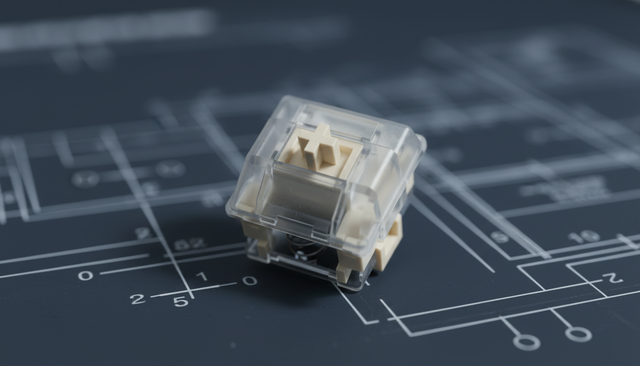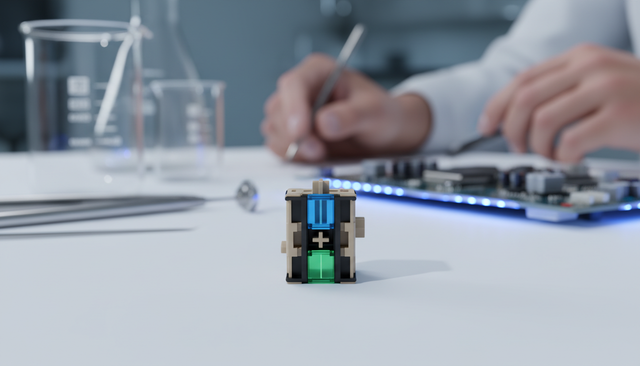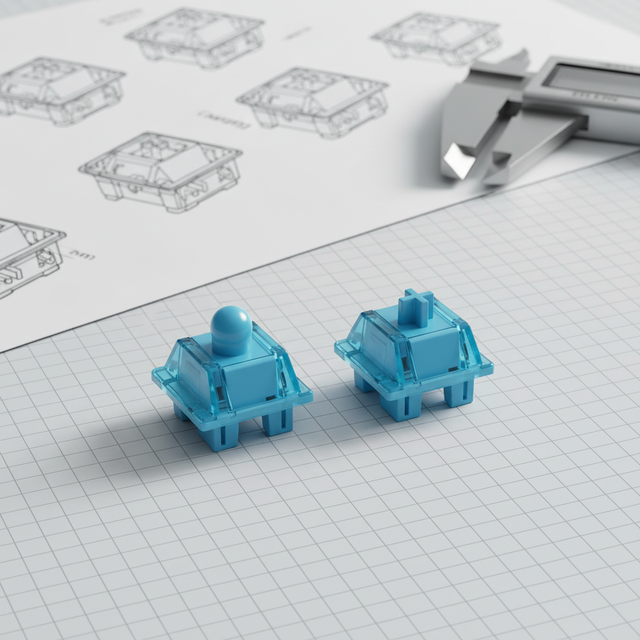



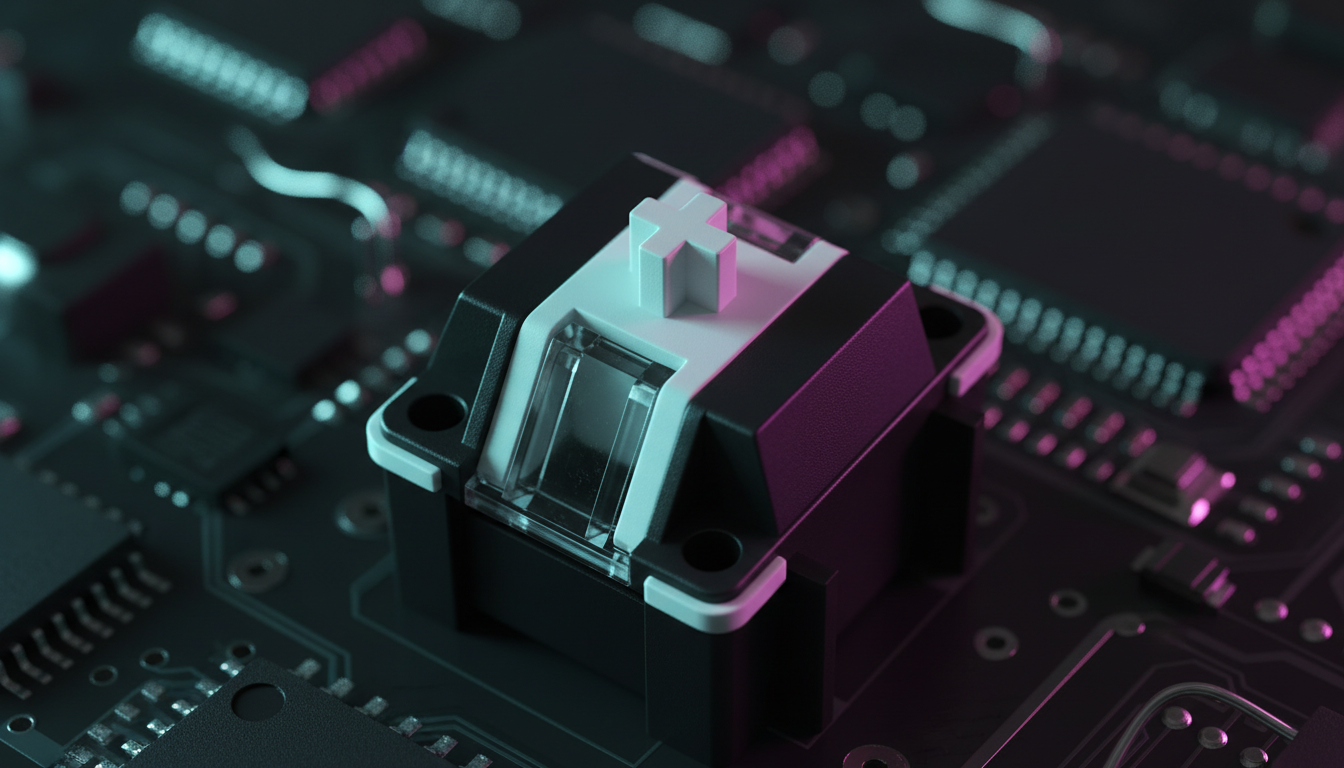
ロー・プロファイルステム設計:精密性の課題
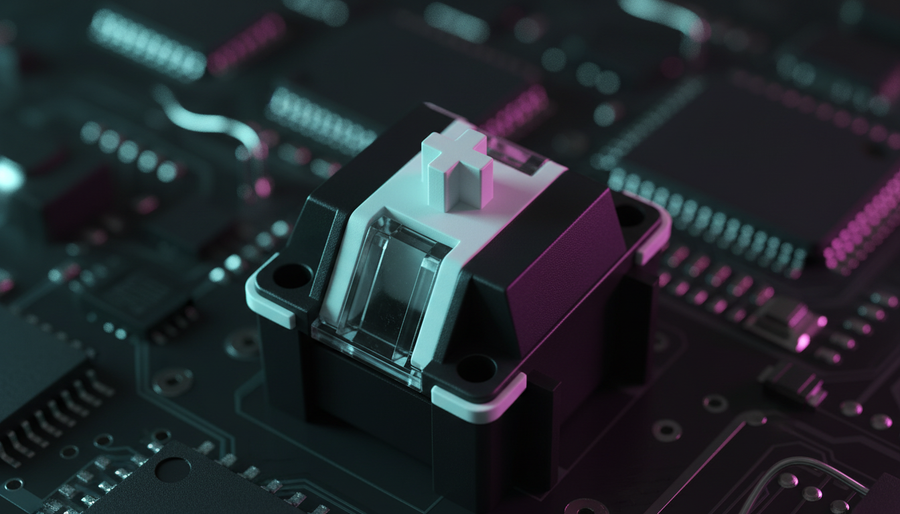
ステムの揺れの閾値、ホール効果スイッチの遅延短縮、エルゴノミクスリスク分析、デュアルレール形状などの安定化技術について解説します。

最新の記事から実用的な購入ガイド、設置アイデア、製品のヒントを探しましょう。
注目の
ステムの揺れの閾値、ホール効果スイッチの遅延短縮、エルゴノミクスリスク分析、デュアルレール形状などの安定化技術について解説します。
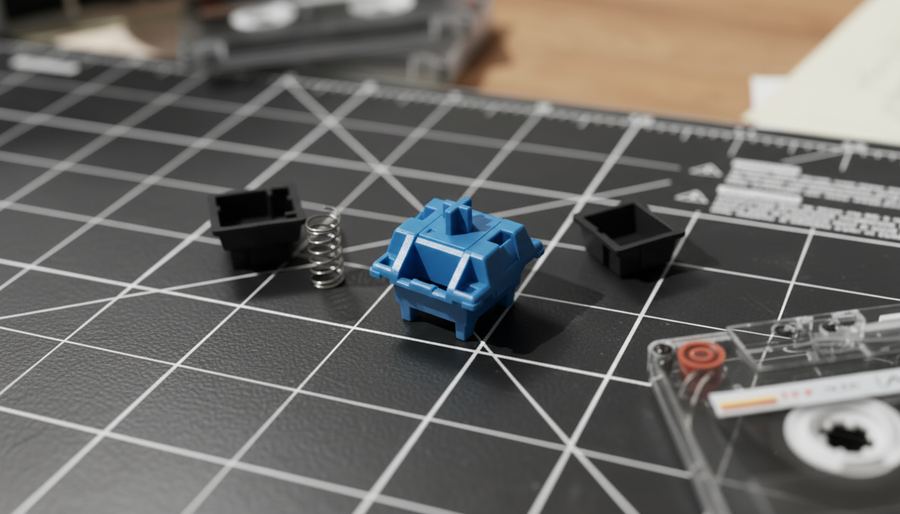
スイッチの許容差の影響、ホール効果の遅延優位性、高頻度ポーリングの要求、およびムーア-ガーグ指数を用いた人間工学的負担の分析を取り上げています。
カスタムキーボードステムの工具設計が、揺れを70%削減し、競技ゲームでの高速なラピッドトリガー応答を可能にする仕組みの技術的分析。
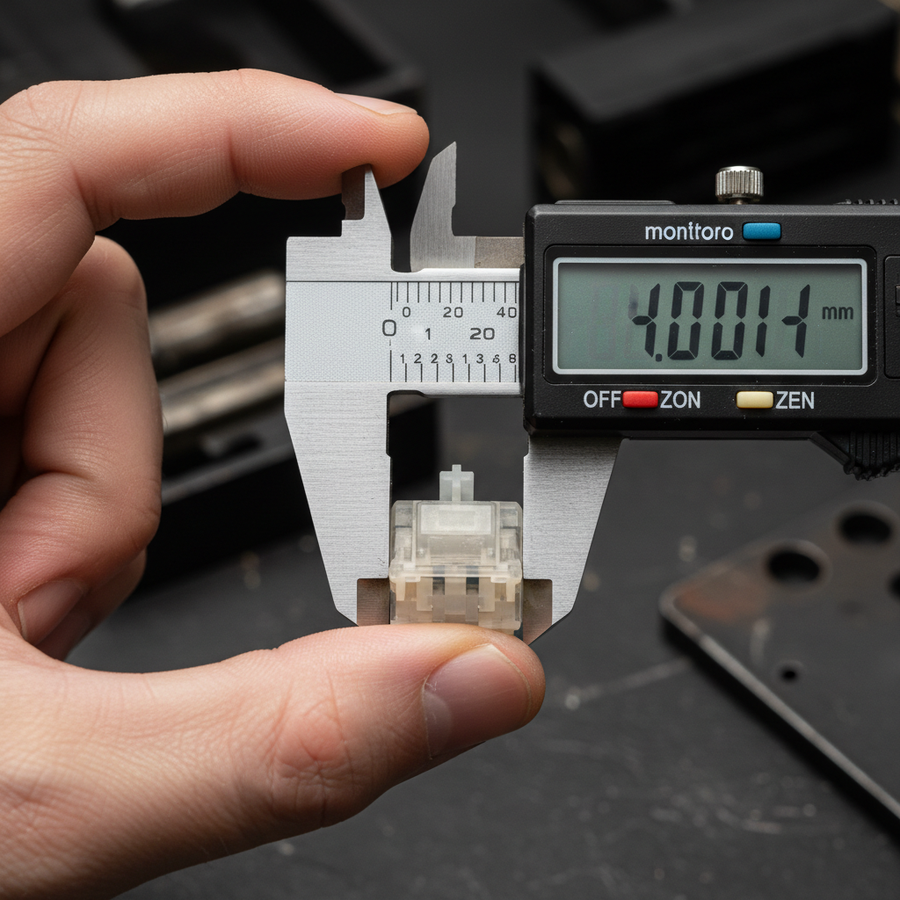
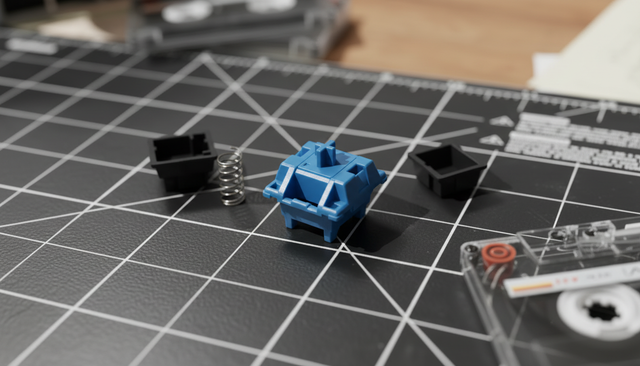
分析では、ステムのぐらつきのメカニズム、CherryとGateronのベンチマーク比較、そして精度向上のためのスイッチフィルムの利点について解説しています。
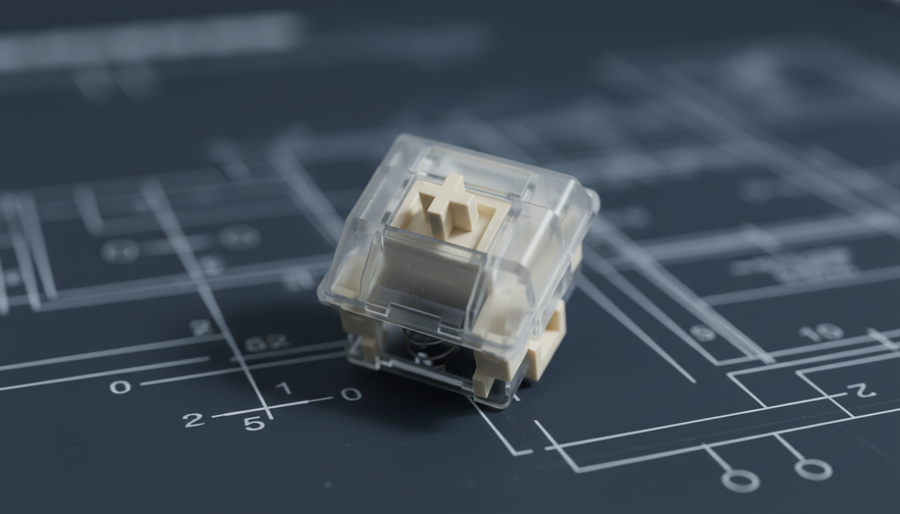
エンスージアスト向けスイッチの横揺れに関するガイド。ステムの形状、性能への影響、フィルム貼りやキーキャップの選択などの実用的な対策を解説。
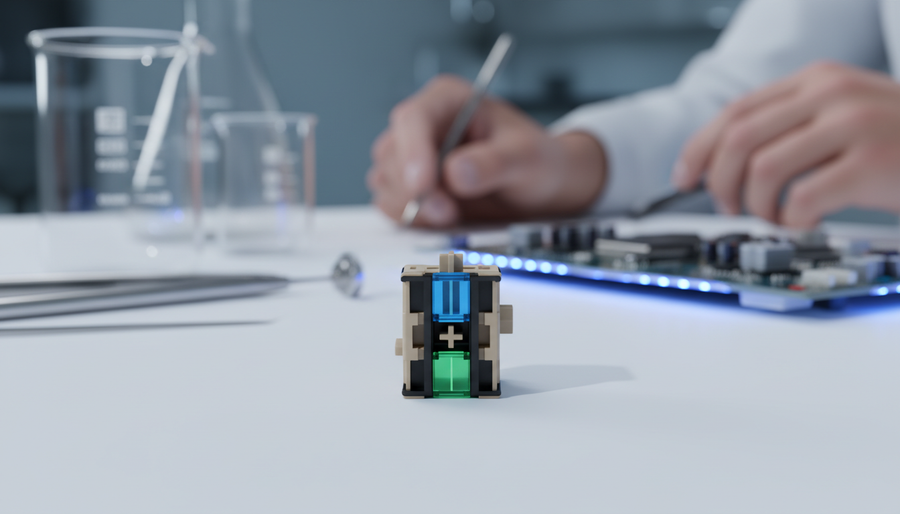
横方向の遊びの閾値、デュアルレール設計の利点、素材の選択、そして高ポーリングレートの性能における精度の影響について解説します。

エンジニアリングの原因、ムーア-ガーグひずみ指数の分析、スイッチのフィルミングなどの修正方法を取り上げ、30~40%の遊びの減少を実現します。
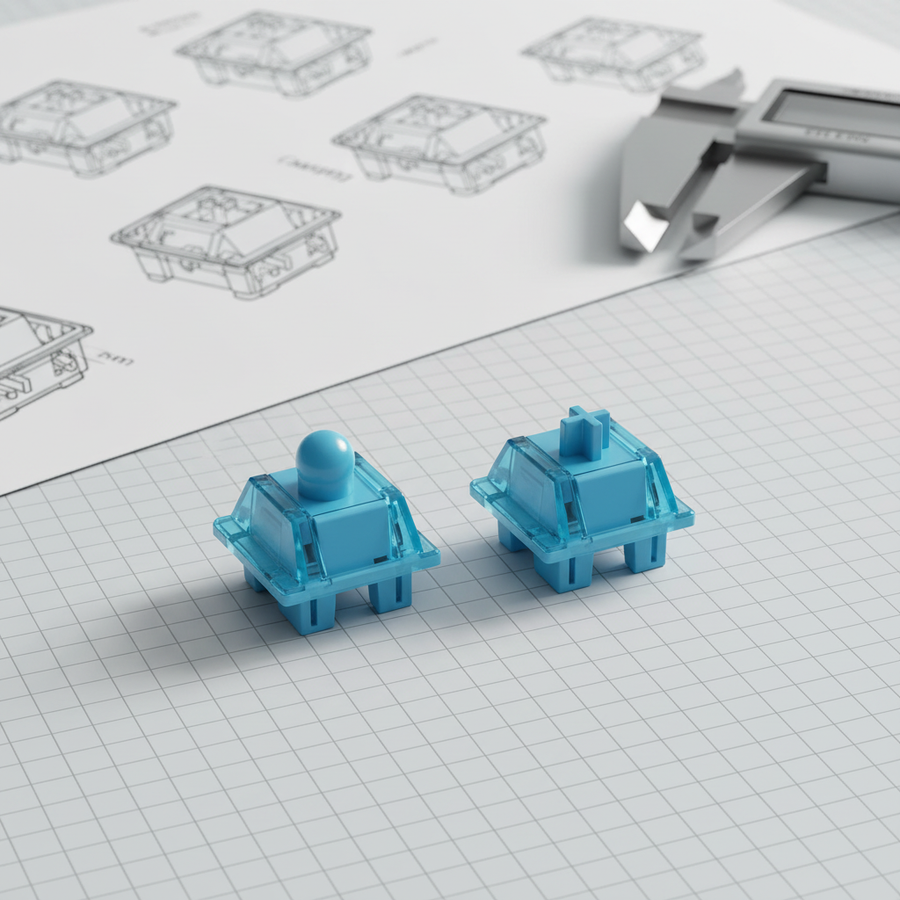
接触の物理学、音響の違い(thockとclack)、安定性の分析、ポールの研磨や潤滑などの実用的な改造について解説しています。

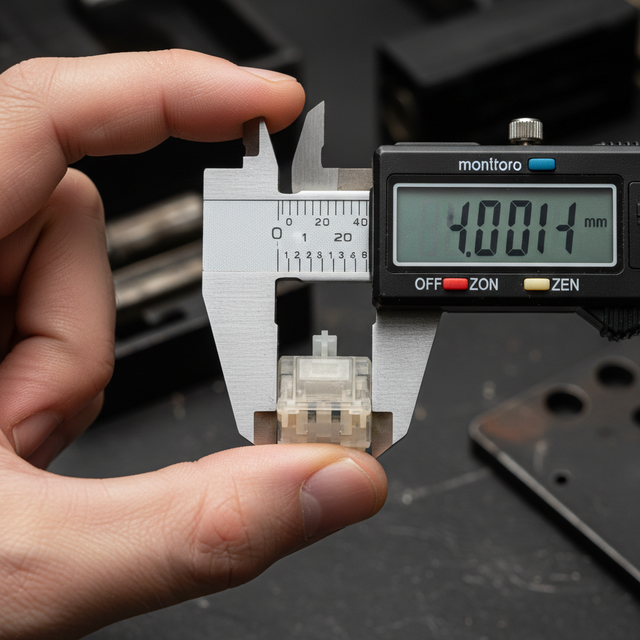
0.05mmの許容差、PBTとABSの熱膨張の違い、「ボックス」スイッチの応力解析、そしてシェイクテストなどの診断方法について解説しています。
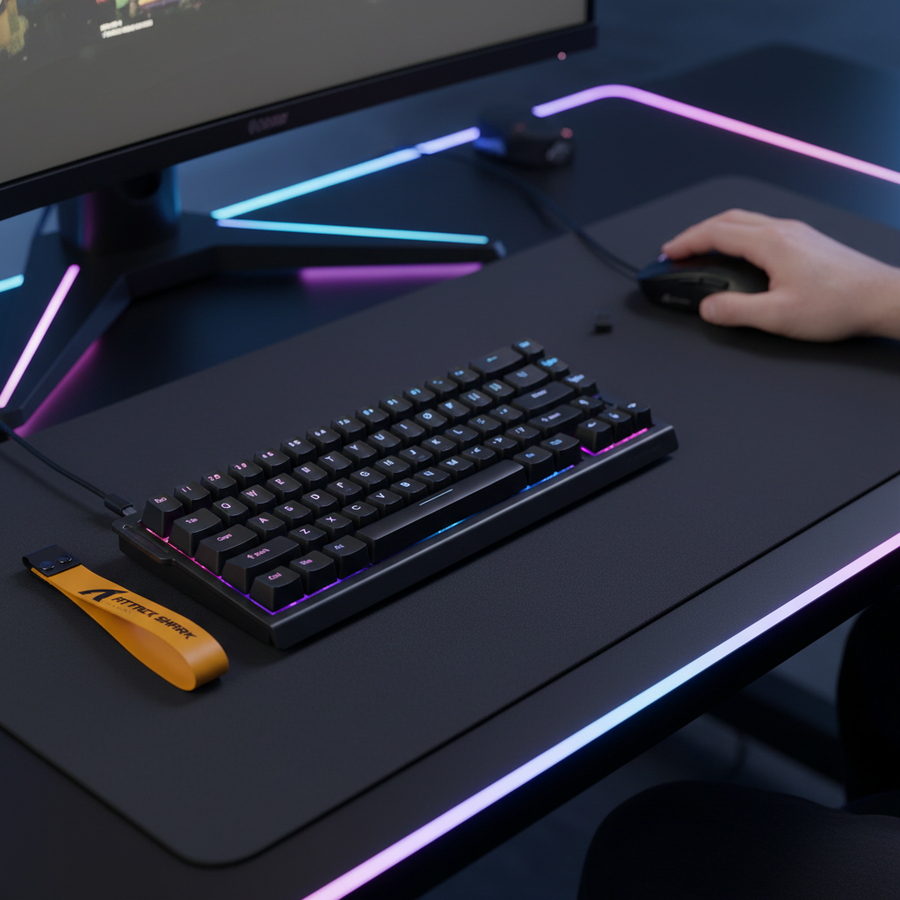
競技ゲーマーが精密な操作を求める際の、磁気スイッチ、8Kポーリングマウス、人間工学に基づいたフィット感、システムのボトルネックについて解説します。

ホール効果センサーの物理学、0.8~1.2mmの差動ルール、信頼性の高いマクロプログラミングに適した人間工学に基づくグリップフィットについて解説します。
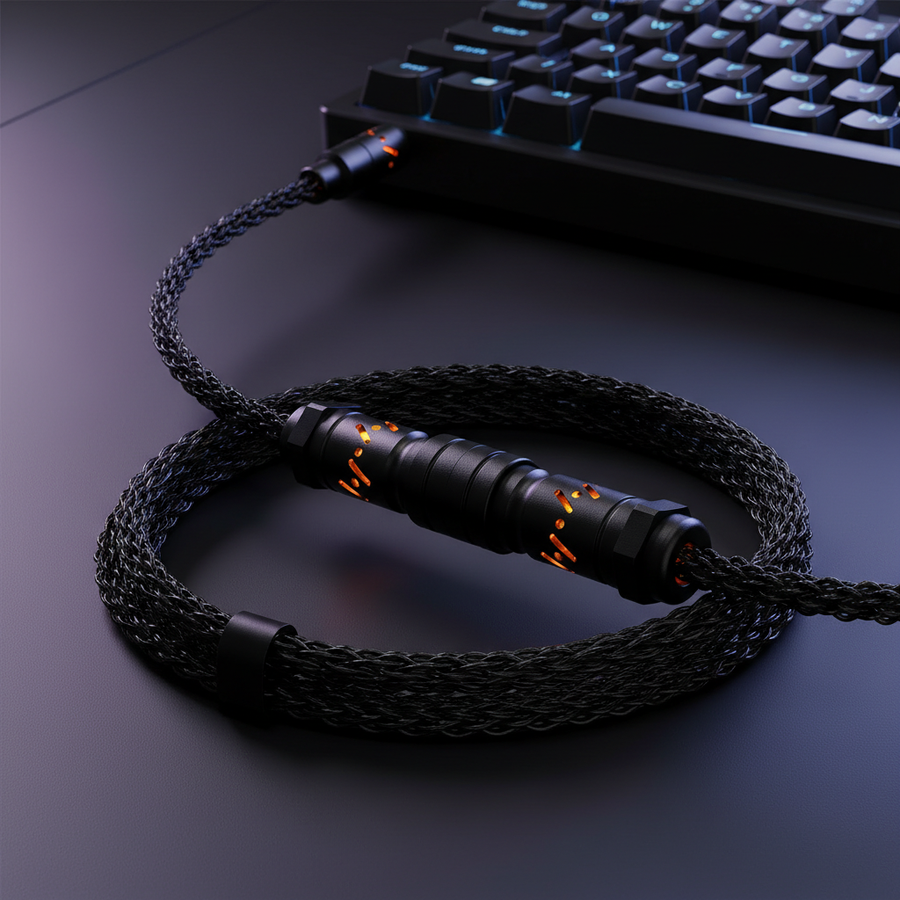
1000Hzから8Kへの移行、CPUのIRQ処理、そして競技ゲーマー向けのバッテリー寿命などのトレードオフについて解説します。
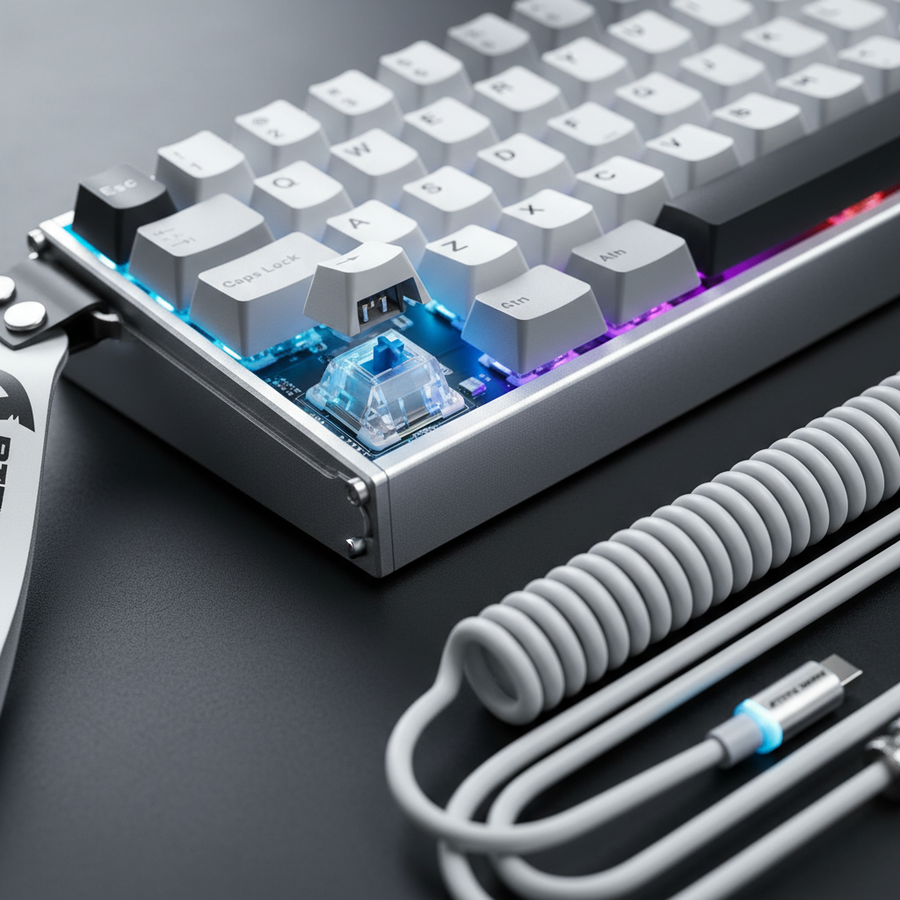
このガイドでは、キートラベルの物理学、エルゴノミクスの負担指標、そしてFPSやMOBAプレイヤー向けの実用的なヒューリスティックについて解説します。
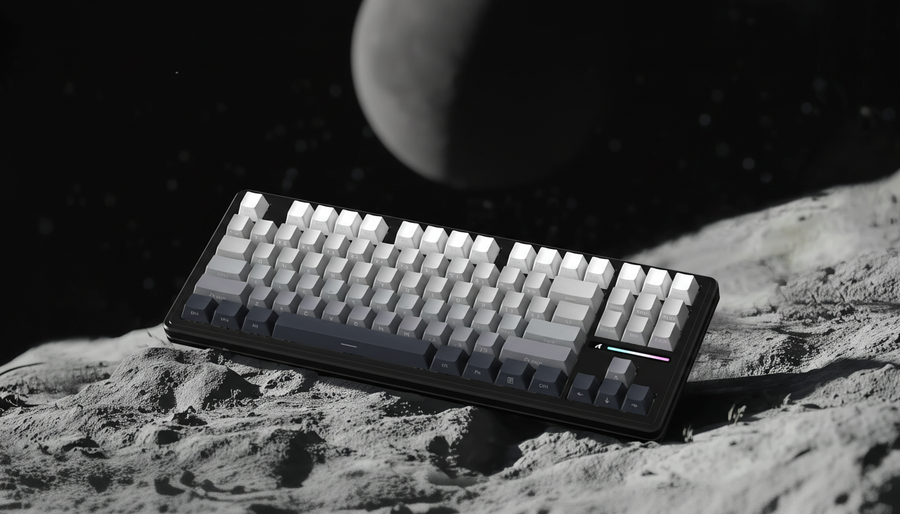
プリトラベルの物理学、ホール効果センサー、レイテンシ計算、FPSおよびMOBAプレイヤー向けのジャンル別セットアップアドバイスを解説します。

パフォーマンスを維持するためのハードウェア調整、エルゴノミクス戦略、認知的休憩について解説します。

キーキャップの軸の深さ、スイッチの取り付け、スタビライザーの潤滑について解説し、機械式とホール効果技術の遅延と安定性を比較しています。