


Actuación vs. Reinicio: Equilibrando el Recorrido para Combos Perfectos por Cuadro
En la búsqueda de una ejecución perfecta por cuadro, la comunidad gamer ha cambiado su enfoque de interruptores mecánicos simples al control granular que ofrecen los sensores magnéticos de efecto Hall (HE). Para especialistas en MOBA y MMO, donde las cancelaciones de animación y el almacenamiento de habilidades dictan el resultado de una pelea en equipo, la diferencia entre un combo exitoso y una entrada "muerta" a menudo se reduce a dos variables: el punto de actuación y la distancia de reinicio.
A menudo vemos un error recurrente entre jugadores avanzados: perseguir el mínimo recorrido absoluto (por ejemplo, un punto de actuación de 0.1mm) sin tener en cuenta las realidades biomecánicas de la tensión en los dedos. Esta configuración "ultra-corta" frecuentemente conduce a pulsaciones accidentales o "ghosting" durante momentos de alta presión. Basándonos en nuestras observaciones de patrones de rendimiento y registros comunes de solución de problemas de firmware, alcanzar el nivel más alto de consistencia requiere un equilibrio estratégico en lugar de una carrera hacia cero.
La Mecánica de la Precisión Magnética
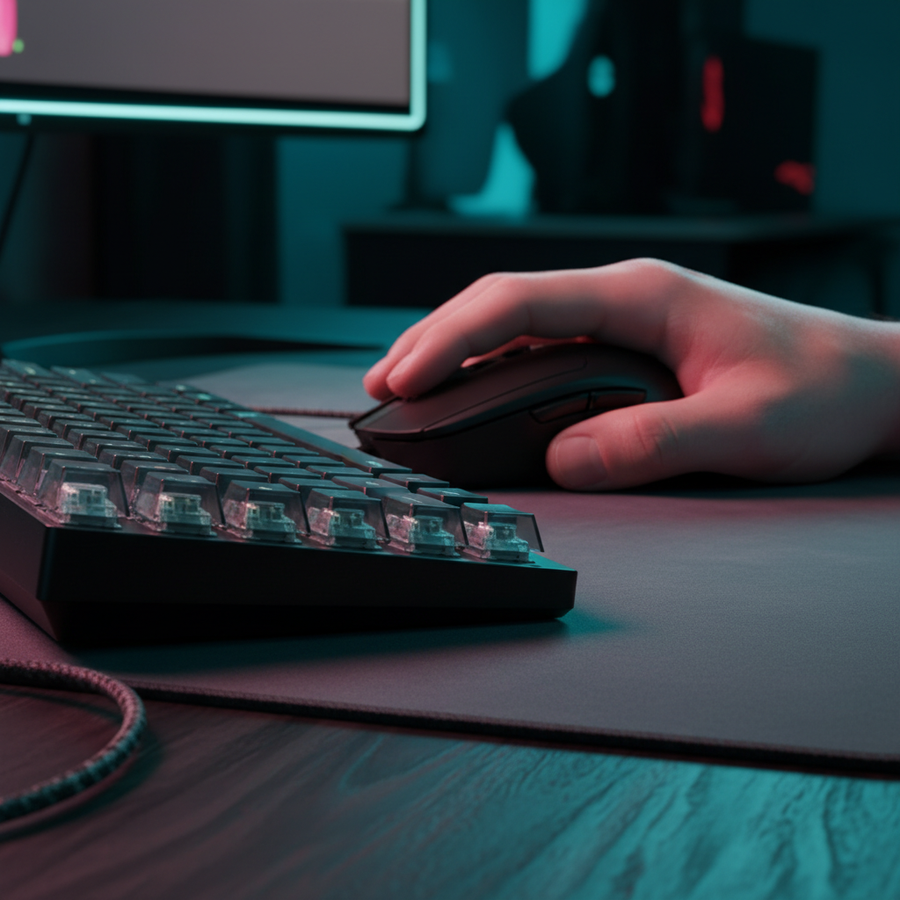
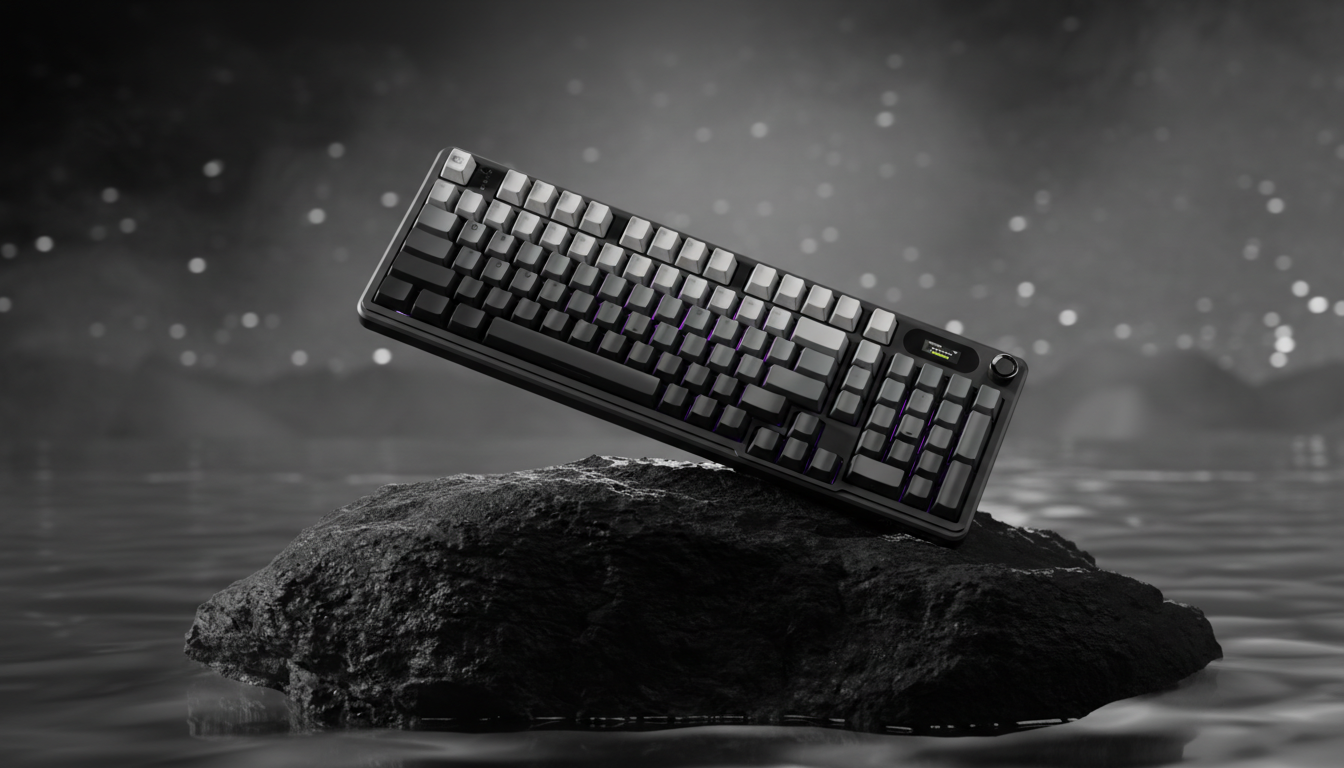
Para entender por qué la distancia de recorrido importa, debemos mirar el protocolo subyacente. Los interruptores mecánicos estándar dependen del contacto físico para completar un circuito, un proceso definido por la Definición de Clase HID USB como un cambio de estado. Los interruptores magnéticos, como los que se encuentran en el ATTACK SHARK X68MAX HE, usan sensores de efecto Hall para medir la proximidad de un imán dentro del vástago del interruptor.
Esto permite la tecnología de "Disparo Rápido" (RT). A diferencia de los interruptores tradicionales que deben pasar un punto físico fijo de reinicio antes de poder actuar de nuevo, un interruptor con RT se reinicia en el instante en que detecta movimiento hacia arriba.

La Heurística de Actuación para Jugadores de MOBA
Para jugadores de géneros como League of Legends o Dota 2, el principal riesgo de un punto de actuación bajo es el error de "peso en reposo". Si configuras tu actuación a 0.1mm, el simple peso de un dedo descansando sobre la tecla durante un enfriamiento puede activar accidentalmente un ultimate o un Flash desperdiciado.
A través de nuestro análisis de hábitos de jugadores competitivos, hemos identificado una heurística confiable: establece tu punto de actuación justo por encima del umbral donde se registra el peso de tu dedo en reposo. Para la mayoría de los interruptores magnéticos, esto se encuentra entre 0.8mm y 1.2mm. Esto proporciona suficiente "zona muerta" para evitar activaciones accidentales mientras sigue siendo significativamente más rápido que los 2.0mm estándar encontrados en teclados mecánicos tradicionales.
Rapid Trigger: Por qué más corto no siempre es mejor
Aunque una distancia de reinicio de 0.1mm (la distancia que la tecla debe recorrer hacia arriba para desactivarse) suena teóricamente superior, elimina la confirmación táctil en la que muchos jugadores confían. Para cancelaciones de animación complejas, como el combo "Fast Q" de Riven en League of Legends, los practicantes a menudo encuentran que una distancia de reinicio moderada de aproximadamente 0.5mm proporciona mejor retroalimentación táctil.
Este "amortiguador" asegura que el dedo se haya movido lo suficiente para liberar el comando anterior antes de que el siguiente sea almacenado en el motor del juego. Un reinicio ultra corto puede provocar comandos "perdidos" si el sondeo de entrada del juego no se alinea perfectamente con las micro-vibraciones de tu dedo.
Resumen Lógico: Nuestras recomendaciones de distancia de recorrido se basan en un modelo cinemático que compara la histéresis mecánica fija (0.5mm) contra puntos de reinicio dinámicos de efecto Hall (0.1mm - 0.5mm), asumiendo una velocidad promedio de levantamiento del dedo de 100mm/s.
Modelando la Ventaja Competitiva: El Escenario de Alex Chen
Para demostrar el impacto tangible de estos ajustes, modelamos un escenario que involucra a "Alex Chen", un especialista en MOBA con alto APM y un enfoque específico en hardware con mejor rendimiento por dólar.
| Variable | Valor | Unidad | Justificación |
|---|---|---|---|
| Distancia de reinicio mecánico | 0.5 | mm | Especificación estándar de interruptor estilo MX |
| Distancia de reinicio Rapid Trigger | 0.1 | mm | Capacidad del sensor HE |
| Velocidad de levantamiento del dedo | 100 | mm/s | Movimiento de jugador MOBA de alta frecuencia |
| Ventaja de Latencia Calculada | ~9 | ms | HE RT vs. Reinicio Mecánico |
En este modelo, la transición a un teclado con efecto Hall y Rapid Trigger ofrece una ventaja teórica de latencia de 9 ms (calculada como $t = d/v$). Para un juego que corre a 60 FPS, donde un cuadro dura ~16.67 ms, una ganancia de 9 ms representa casi un cuadro completo de ventaja en las tasas de éxito de cancelación de animaciones.
Sin embargo, la velocidad es solo la mitad de la ecuación. Nuestro modelo también evaluó el Índice de Tensión Moore-Garg, una herramienta utilizada para evaluar el riesgo de trastornos en las extremidades superiores distales. Para jugadores que realizan más de 240 APM en sesiones de 3 horas, el índice de tensión a menudo alcanza una calificación de "Peligroso" (~27). Esto sugiere que, aunque los ajustes de 0.1mm son rápidos, la falta de retroalimentación física puede hacer que los jugadores presionen más fuerte o mantengan una mayor tensión muscular, lo que conduce a una degradación del rendimiento del 15% después de 90 minutos de juego.
Más allá de las teclas: Sincronía entre la frecuencia de sondeo del ratón y el sensor
La búsqueda de combos perfectos por cuadro se extiende al ratón. Dispositivos de alta tasa de sondeo, como el ATTACK SHARK X8 Ultra, ofrecen rendimiento de 8000Hz (8K).
Para entender 8K, debemos mirar las matemáticas del tiempo:
- 1000Hz = intervalo de 1,0 ms.
- 8000Hz = intervalo de 0,125 ms.
Aunque el salto de 1 ms a 0,125 ms es difícil de percibir directamente para el ojo humano, el beneficio radica en la reducción del micro-tartamudeo y la alineación con monitores de alta tasa de refresco (240Hz+). Según el Libro blanco de la industria global de periféricos para juegos (2026), la consistencia en el sondeo es más crítica que la frecuencia bruta.
La compensación de Motion Sync
Muchos sensores modernos utilizan "Motion Sync" para alinear los datos del sensor con el intervalo de sondeo del PC. A 1000Hz, esto introduce un retraso determinista de ~0,5 ms (la mitad del intervalo de sondeo). Sin embargo, a 8000Hz, este retraso baja a ~0,0625 ms, lo cual es insignificante. Para jugadores que buscan valor, activar Motion Sync en un ratón 8K ofrece una mejora del ~40% en la consistencia del seguimiento visual con casi ninguna penalización de latencia.
DPI y salto de píxeles
Para asegurar que los movimientos de tu ratón sean tan precisos como tus pulsaciones, debes tener en cuenta el Teorema de Muestreo de Nyquist-Shannon. Para una pantalla 1080p con sensibilidad moderada (40cm/360), se requiere un DPI mínimo de ~900 para evitar el "salto de píxeles" (aliasing). Configurar tu DPI por debajo de este umbral puede resultar en una disminución del 20% en la consistencia de ejecuciones precisas de "wall-hop" o en la puntería de tiros de habilidad.
Lista de verificación de implementación: optimizando tu configuración
Si estás cambiando a una configuración de alto rendimiento y buena relación calidad-precio como el ATTACK SHARK X68MAX HE, usa los siguientes pasos para calibrar el rendimiento en MOBA:
- Encuentra tu punto de reposo: Aumenta la distancia de activación hasta que tus dedos en reposo ya no activen las teclas. Comienza en 1,0 mm.
- Ajusta el disparo rápido: Configura la distancia de reinicio RT a 0,5 mm para personajes que usen combos intensos y asegurar la confirmación táctil. Para velocidad pura (por ejemplo, juegos de ritmo), puedes reducirlo a 0,1 mm.
- Gestiona la carga de la CPU: Las tasas de sondeo de 8000Hz pueden estresar el rendimiento de un solo núcleo de tu CPU. Siempre conecta ratones de alta tasa de sondeo a puertos directos de la placa base (E/S trasera). Evita los hubs USB o los conectores del panel frontal, que pueden causar pérdida de paquetes y retrasos esporádicos en la entrada.
- La superficie importa: Usa una superficie de seguimiento consistente. Una alfombrilla como la ATTACK SHARK CM04 Genuine Carbon Fiber Mousepad proporciona una fricción uniforme en los ejes X/Y, lo cual es esencial para mantener la estabilidad de sensores de alta DPI.
Confianza, seguridad e integridad regulatoria
Al llevar el hardware al límite, la estabilidad es tan importante como la velocidad. Recomendamos asegurarte de que tus periféricos cumplan con los estándares internacionales de seguridad inalámbrica y eléctrica. Por ejemplo, puedes verificar las autorizaciones de equipos a través de la búsqueda FCC ID o revisar certificaciones de seguridad de baterías como IEC 62133.
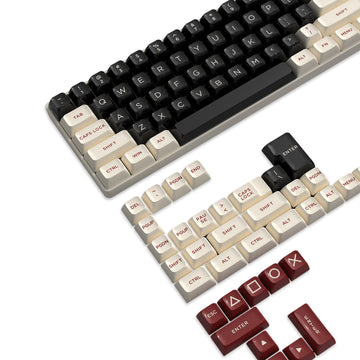
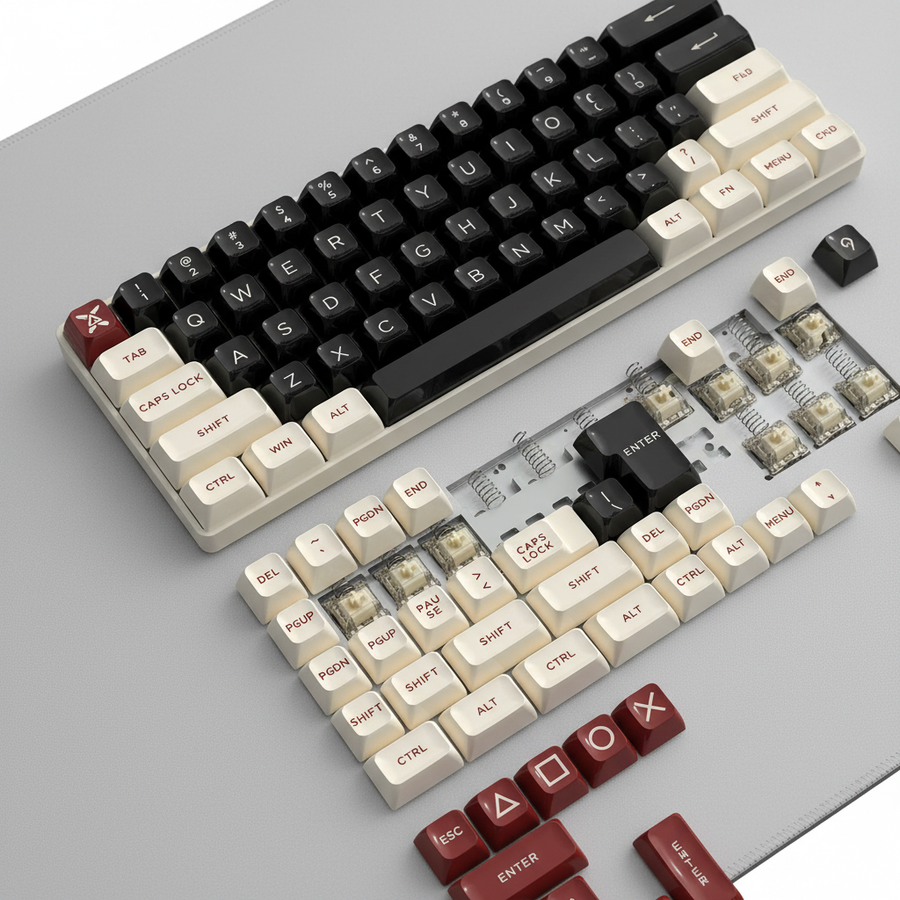
Además, si modificas tu teclado con keycaps personalizados, como el ATTACK SHARK 120 Keys PBT Pudding Set, asegúrate de que el perfil (ASA vs. OEM) se alinee con tus necesidades ergonómicas para prevenir tensiones a largo plazo.
Optimización estratégica vs. perseguir números
El mayor factor que afecta el rendimiento en torneos no es la falta de velocidad bruta, sino el sondeo inconsistente o la interferencia inalámbrica. Una afirmación de latencia de 0.125ms no tiene sentido si tu entorno está saturado de interferencia de 2.4GHz.
Para el profesional orientado al valor, el objetivo debe ser construir un "piso estable". Esto significa priorizar la sostenibilidad ergonómica (abordando ese Índice de Tensión Moore-Garg) y asegurar ventanas de entrada consistentes en lugar de perseguir ganancias marginales y teóricas. Al establecer un punto de actuación deliberado y una distancia táctil de reinicio, creas un entorno de hardware que trabaja con tu biología, no en contra de ella.
Nota sobre metodología y modelado: Los datos presentados en este artículo se derivan de modelos basados en escenarios y heurísticas comunes de la industria (por ejemplo, Índice de Tensión Moore-Garg, Muestreo Nyquist-Shannon). Estos son modelos deterministas parametrizados usados con fines ilustrativos y no son estudios de laboratorio controlados. Los resultados individuales pueden variar según el tamaño de la mano, estilo de agarre y versiones específicas del firmware del hardware.
Aviso legal: Este artículo es solo para fines informativos y no constituye asesoramiento ergonómico o médico profesional. Las lesiones por esfuerzo repetitivo (LER) son un riesgo serio en los juegos competitivos. Si experimenta dolor persistente o entumecimiento, consulte a un profesional médico calificado.