


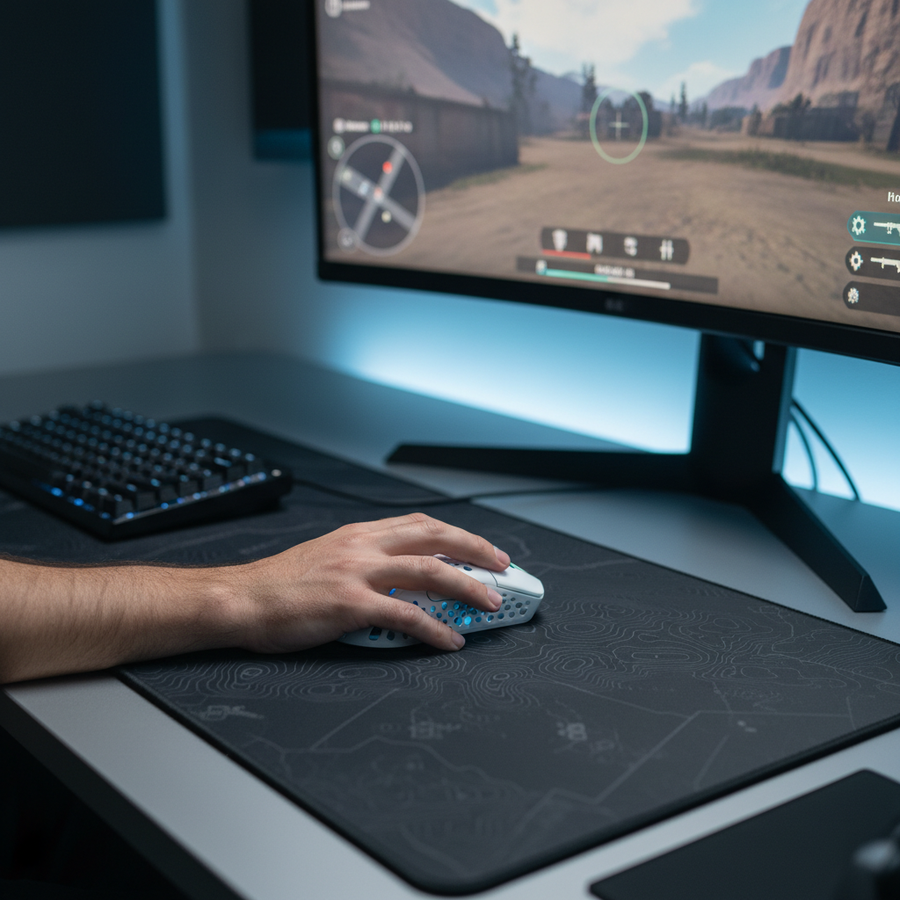
Die Präzisionslücke in taktischen Shootern
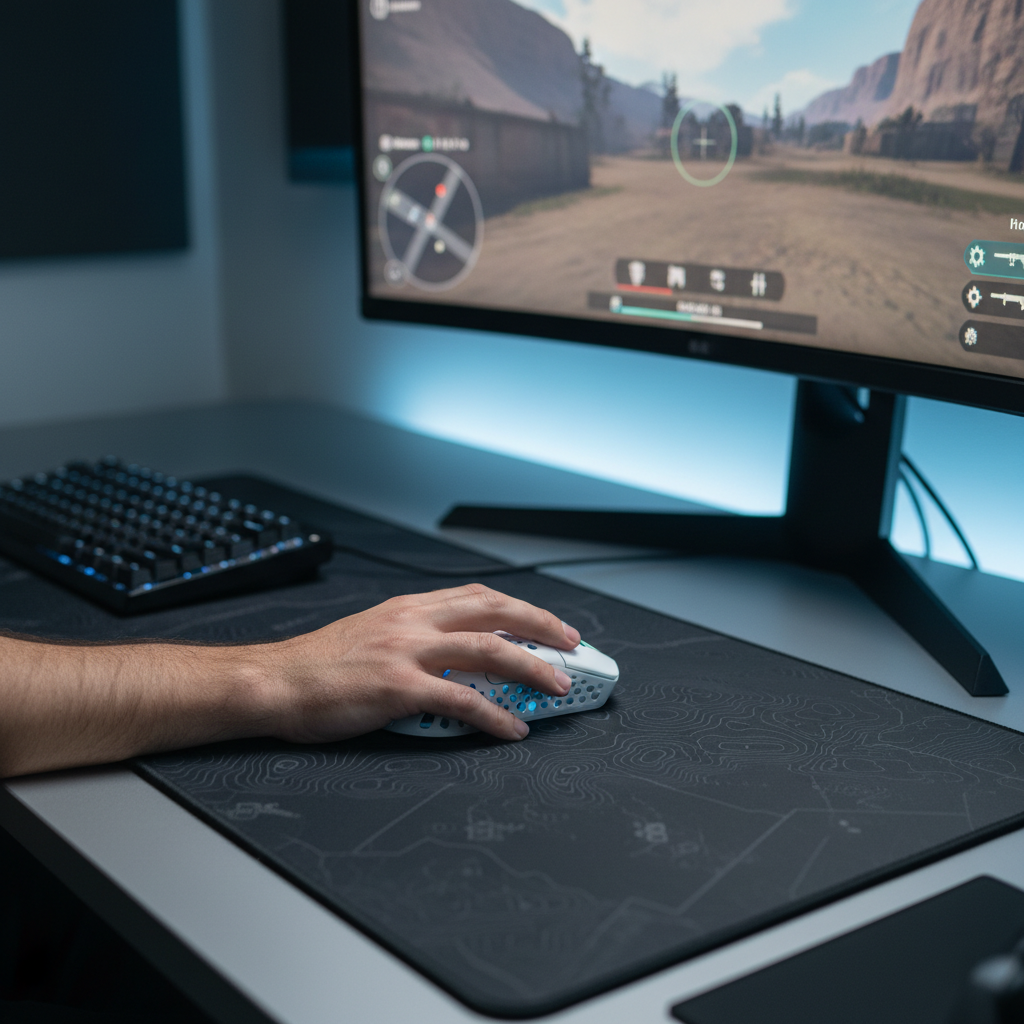
In kompetitiven taktischen Shootern wie Counter-Strike 2 (CS2) und Valorant wird der Fehlerbereich in Pixeln und Millisekunden gemessen. Während der Markt für Gaming-Peripheriegeräte in ein „Wettrüsten“ der Rohspezifikationen eingetreten ist – mit 8000Hz-Abtastraten und Sensoren mit über 30.000 DPI – besteht weiterhin eine erhebliche Lücke zwischen diesen theoretischen Maximalwerten und der realen Leistung. Um maximale Konsistenz zu erreichen, muss man über die „Plug-and-Play“-Mentalität hinausgehen und einen technischen Kalibrierungsworkflow übernehmen, der die Hardware-Ausgabe mit der Logik der Spiel-Engine in Einklang bringt.
Die größte Herausforderung für technisch versierte Spieler ist die „Spezifikations-Glaubwürdigkeitslücke“. Hochspezifizierte Hardware wird oft hinsichtlich der Software-Reife und der tatsächlichen Auswirkungen ultra-hoher Abtastraten auf die Systemstabilität kritisch betrachtet. Für Spieler, die Präzision über Marketing-Hype stellen, ist Kalibrierung der Prozess zur Minimierung von Abweichungen. Ob es darum geht, sicherzustellen, dass der Sensor in exakten Intervallen meldet oder DPI-Abweichungen zu korrigieren – diese Anpassungen schaffen die stabile Grundlage, die für das langsame, kontrollierte Tracking und schnelle Mikro-Korrekturen charakteristisch für erstklassiges taktisches Spiel notwendig ist.
Optimierung der Abtastrate: Stabilität vs. theoretische Geschwindigkeit
Die Abtastrate definiert, wie häufig die Maus ihre Position an den Computer meldet. Eine Standardrate von 1000Hz entspricht einer nahezu sofortigen Reaktionszeit von 1ms. Moderne Hochleistungsmäuse bieten jetzt 4000Hz (0,25ms) und 8000Hz (0,125ms) Optionen. Das Ausreizen dieser Einstellungen ohne Berücksichtigung der Systemumgebung kann jedoch kontraproduktiv sein.
Die CPU-Überlastung und der IRQ-Engpass
Ultra-hohe Abtastraten (4K und 8K) belasten nicht nur die Maus; sie stellen auch eine erhebliche Belastung für die CPU dar. Der Engpass bei 8KHz liegt typischerweise in der IRQ (Interrupt Request) Verarbeitung. Dies belastet die Single-Core-Leistung und die Betriebssystemplanung. In CPU-intensiven Titeln wie CS2, das stark auf die Source 2 Engine setzt, oder Valorant (Unreal Engine), kann diese erhöhte Last Mikro-Ruckler verursachen. Laut dem Global Gaming Peripherals Industry Whitepaper (2026) ist die Aufrechterhaltung eines stabilen Verhältnisses von Bildrate zu Eingabe wichtiger für die Zielkonsistenz als das Verfolgen der theoretisch niedrigsten Latenz.
Praktiker stellen oft fest, dass ein stabiler 1000Hz-Wert ein flüssigeres, konsistenteres Gefühl vermittelt, da er das Risiko von Frame-Pacing-Problemen minimiert. Wenn ein System nicht mit einem hochwertigen, modernen Prozessor ausgestattet ist, können die durch 8K-Abtastraten verursachten Mikro-Ruckler jeden Latenzvorteil zunichtemachen und zu inkonsistentem Tracking in hochriskanten Duellen führen.
Sättigung und Bewegungsgeschwindigkeit
Um eine Abtastrate von 8000Hz vollständig zu nutzen, muss der Sensor genügend Datenpunkte erzeugen, um die Berichte zu füllen. Dies wird durch die Beziehung zwischen Bewegungsgeschwindigkeit (Inches Per Second oder IPS) und DPI bestimmt. Die Formel lautet: Pakete pro Sekunde = Bewegungsgeschwindigkeit (IPS) × DPI.
Um die 8000Hz-Bandbreite bei einer Standard-DPI von 800 auszuschöpfen, muss ein Spieler die Maus mit mindestens 10 IPS bewegen. Bei 1600 DPI sind jedoch nur 5 IPS erforderlich. Das bedeutet, dass höhere DPI-Einstellungen tatsächlich helfen, die Abtaststabilität während der langsamen, präzisen Mikroanpassungen, die in taktischen Shootern üblich sind, aufrechtzuerhalten.
Technischer Hinweis: Geräte, die Ultra-Hochfrequenz-Abtastung verwenden, müssen an direkte Motherboard-Ports (hintere I/O-Anschlüsse) angeschlossen werden. Die Verwendung von USB-Hubs oder Frontpanel-Anschlüssen führt oft zu geteilten Bandbreiten und Paketverlusten, was die Integrität des Hochfrequenzsignals beeinträchtigt, wie in der USB HID-Klassendefinition (HID 1.11) definiert.
Sensorpräzision: Lösung von Auflösung und Pixelüberspringen
Ein weit verbreiteter Irrglaube in der Gaming-Community ist, dass 800 DPI der „Goldstandard“ für taktische Shooter sind. Während dies für 1080p-Displays zutraf, haben der Wechsel zu 1440p (WQHD) und 4K-Auflösungen die mathematischen Anforderungen für pixelgenaue Präzision verändert.
Das Nyquist-Shannon-Abtastkriterium
Um „Pixelüberspringen“ oder Aliasing zu vermeiden – bei dem die physische Mausbewegung nicht granular genug ist, um jeden Pixel auf dem Bildschirm abzubilden – muss die Abtastrate des Sensors mindestens doppelt so hoch sein wie die Pixeldichte des Sichtfelds des Displays.
Für ein 1440p-Display mit einem horizontalen Sichtfeld von 103° und einer niedrigen Sensitivität von ~35cm/360° legt unser Modell nahe, dass eine minimale DPI von etwa 1300 erforderlich ist, um die Pixelintegrität zu erhalten. Spieler, die 400 oder 800 DPI auf hochauflösenden Displays verwenden, können bei Fernkämpfen, bei denen Ziele nur wenige Pixel breit sind, ein leichtes „Treppensteigen“ wahrnehmen.
| Auflösung | Horizontaler Sichtfeldwinkel (FOV) | Sensitivität (cm/360) | Geschätzte minimale DPI |
|---|---|---|---|
| 1080p | 103° | 35 | ~970 |
| 1440p | 103° | 35 | ~1300 |
| 4K (2160p) | 103° | 35 | ~1950 |
Hinweis: Schätzungen basieren auf dem Nyquist-Shannon-Abtasttheorem angewandt auf Pixels-Per-Degree (PPD).
Korrektur der DPI-Abweichung
Kein Sensor ist perfekt genau in Bezug auf seine angegebene DPI. Eine Einstellung von 800 DPI kann je nach Montagehöhe des Sensors und Firmware-Implementierung als 780 oder 830 DPI gemessen werden. Um eine echte Ziel-eDPI (Effektive DPI = DPI × In-Game-Sensitivität) zu erreichen, sollten Spieler ein Online-DPI-Analysetool verwenden, um die physische zurückgelegte Distanz im Vergleich zu den bewegten Pixeln zu messen und dann die In-Game-Sensitivität proportional anzupassen.
Kalibrierung von Motion Sync und Lift-Off Distance (LOD)
Über die reine Geschwindigkeit hinaus wird das „Gefühl“ eines Sensors davon bestimmt, wie er den Beginn und das Ende einer Bewegung verarbeitet.
Motion Sync: Der Konsistenz-Schalter
Motion Sync ist eine Firmware-Funktion, die die Datenerfassung des Sensors mit den USB-Abtastintervallen synchronisiert. So erhält der Computer die aktuellsten Informationen zu genauen, vorhersehbaren Zeitpunkten.
Für taktische Shooter, bei denen das Halten eines Winkels und eine einzelne, präzise Mikroanpassung üblich sind, ist Motion Sync sehr vorteilhaft. Es reduziert das „Jittern“ oder die Varianz in der Berichterstattung, was für langsames, kontrolliertes Tracking entscheidend ist. Obwohl es eine deterministische Latenzstrafe einführt – geschätzt auf ca. 0,0625 ms bei einer Abtastrate von 8000 Hz basierend auf USB-Timing-Standards – ist dieser Aufwand im Vergleich zum Gewinn an Timing-Konsistenz vernachlässigbar.
Lift-Off-Distanz (LOD) und Oberflächenkalibrierung
LOD ist die Höhe, bei der der Sensor die Verfolgung stoppt, wenn die Maus angehoben wird. In CS2 und Valorant, wo Spieler oft große „Sweeps“ und „Resets“ ihrer Mausposition durchführen, ist ein niedriger LOD entscheidend, um zu verhindern, dass der Cursor beim Abheben oder Aufsetzen springt.
Ein häufiger Fehler ist die Verwendung einer universellen LOD-Einstellung. Hochleistungs-Sensoren erlauben eine feine Einstellung (typischerweise 1 mm oder 2 mm). Hybrid-Mauspads (z. B. Cordura oder Silikon) können jedoch Tracking-Inkonsistenzen verursachen.
- Der Pad-Sweep-Test: Kalibrieren Sie den LOD auf Ihrem Haupt-Mauspad. Bewegen Sie die Maus langsam über die gesamte Oberfläche; wenn der Sensor in bestimmten Bereichen „springt“ oder die Verfolgung verliert, ist der LOD für diese Textur zu niedrig.
- Reflektierende Oberflächenprüfung: Testen Sie die Maus auf einer harten, reflektierenden Oberfläche. Wenn sie weiterhin verfolgt, ist der LOD zu hoch und kann bei schnellen Rücksetzbewegungen zu unregelmäßigen Bewegungen führen.
Hardware-Passung und Ergonomie für Präzision
Keine Sensor-Kalibrierung kann eine schlechte physische Schnittstelle ausgleichen. Präzises Zielen in taktischen Shootern beruht stark auf feiner motorischer Kontrolle, die direkt von der Beziehung zwischen Handgröße und Mausgeometrie beeinflusst wird.
Die Grip-Fit-Heuristik
Für taktische Shooter wird oft ein Claw-Grip bevorzugt, da er eine stabile Handflächenunterstützung ermöglicht und gleichzeitig die Fingerspitzen für Mikroanpassungen frei hält. Basierend auf ergonomischen Prinzipien, die mit der ISO 9241-410 Norm übereinstimmen, gilt als Faustregel für die Mausgröße die 60%-Regel: Die Mausbreite sollte etwa 60 % der Handbreite betragen.
Für einen Spieler mit großen Händen (z. B. ca. 20,5 cm Länge) deutet die Modellierung auf eine ideale Mauslänge von etwa 131 mm für eine Palm-/Claw-Hybridhaltung hin. Die Verwendung einer deutlich kleineren Maus (z. B. 120 mm) kann bei längeren Sessions zu „Claw-Krämpfen“ führen, was die Fähigkeit des Spielers beeinträchtigt, während langer Runden eine stabile Zielgenauigkeit zu halten.
Schritt-für-Schritt-Kalibrierungsablauf
Um sicherzustellen, dass Ihre Hardware für CS2 oder Valorant optimiert ist, folgen Sie dieser technischen Checkliste:
- Verbindung überprüfen: Stellen Sie sicher, dass der kabellose Empfänger oder das Kabel direkt an einen USB 3.0+-Port am hinteren I/O des Motherboards angeschlossen ist.
- DPI-Abweichung analysieren: Verwenden Sie einen DPI-Analyzer, um die tatsächliche CPI (Counts Per Inch) Ihres Sensors zu ermitteln. Passen Sie Ihre In-Game-Empfindlichkeit an, um Ihr gewünschtes eDPI basierend auf der realen Messung und nicht dem Software-Label zu erreichen.
- Abtastrate und DPI für Auflösung einstellen: Bei einem 1440p-Monitor sollten Sie 1600 DPI wählen und die In-Game-Empfindlichkeit senken, um Ihren cm/360 beizubehalten. So vermeiden Sie Pixel-Sprünge.
- Abtastrate optimieren: Beginnen Sie bei 1000Hz. Wenn Ihr System dies ohne Frame-Drops bewältigt, versuchen Sie 4000Hz. Überwachen Sie Mikro-Ruckler im integrierten Frametime-Diagramm des Spiels. Wenn Ruckler auftreten, kehren Sie zur niedrigeren, stabilen Rate zurück.
- Motion Sync aktivieren: Wenn Ihre Firmware dies unterstützt, aktivieren Sie Motion Sync für verbesserte Tracking-Konsistenz, besonders bei Haltewinkeln.
- LOD kalibrieren: Stellen Sie LOD auf die niedrigste mögliche Einstellung (1mm) und führen Sie den „Pad Sweep“-Test durch. Erhöhen Sie nur, wenn das Tracking auf Ihrem spezifischen Pad inkonsistent wird.
Modellierungs-Hinweis (Reproduzierbare Parameter)
Die Daten und Empfehlungen in diesem Artikel basieren auf Szenariomodellierungen für einen „Großhändigen Präzisionsspieler“.
| Parameter | Wert / Annahme | Begründung |
|---|---|---|
| Handgröße | 20,5cm (L) / 9,5cm (W) | P95 Perzentil für männliche Hände |
| Anzeige | 2560 x 1440 (1440p) | Standard für wettbewerbsfähiges 1440p-Gaming |
| Empfindlichkeit | 35cm / 360° | Niedrigsensitiver taktischer Shooter-Basiswert |
| Abtastrate | 4000Hz - 8000Hz | Leistungsfähige Hardware-Fähigkeit |
| Motion Sync | Aktiviert | Konsistenz vor <0,1ms Latenz priorisieren |
Logik-Zusammenfassung: Unsere Analyse geht davon aus, dass das Hauptziel des Spielers die Reduzierung der Eingangsvarianz ist. Die Modelle für DPI-Minima und Motion Sync-Latenz basieren deterministisch auf dem Nyquist-Shannon-Abtasttheorem und den USB HID-Timing-Standards. Dies sind szenariospezifische Schätzungen, die je nach individueller Systemkonfiguration und MCU-Firmware-Implementierung variieren können.
Haftungsausschluss: Dieser Artikel dient nur zu Informationszwecken. Kalibrierungsschritte beinhalten Software- und Firmware-Änderungen, die gemäß den Richtlinien des Herstellers durchgeführt werden sollten. Leistungssteigerungen hängen von der individuellen Systemhardware und den Fähigkeiten des Nutzers ab.