






Attack Shark Mouse Polling Test
Mouse polling rate results are estimates
This web tool can only estimate the polling rate from browser events. Browser throttling, event coalescing, system scheduling, page focus, and device drivers can all affect the displayed Hz.
Use the result as a reference only.
How To Use
1. Start Testing
Click the START button to begin. This activates high-frequency tracking inside the page. Keep the pointer in the browser window while the test is running.
2. Move Your Mouse
Move your mouse continuously in circles or side-to-side. The faster and more consistent your movement, the more accurate the polling rate reading will be.
3. Analyze Graph
The blue line represents your real-time polling rate (Hz). A flat, stable line indicates a consistent sensor performance. Drops indicate instability.
4. Scale & Controls
Use the dropdown to set the Max Hz (e.g., 1000Hz or 4000Hz). Use PAUSE to freeze the data or RESET to clear all history.
FAQ & Knowledge
Ausgewählte Kollektion
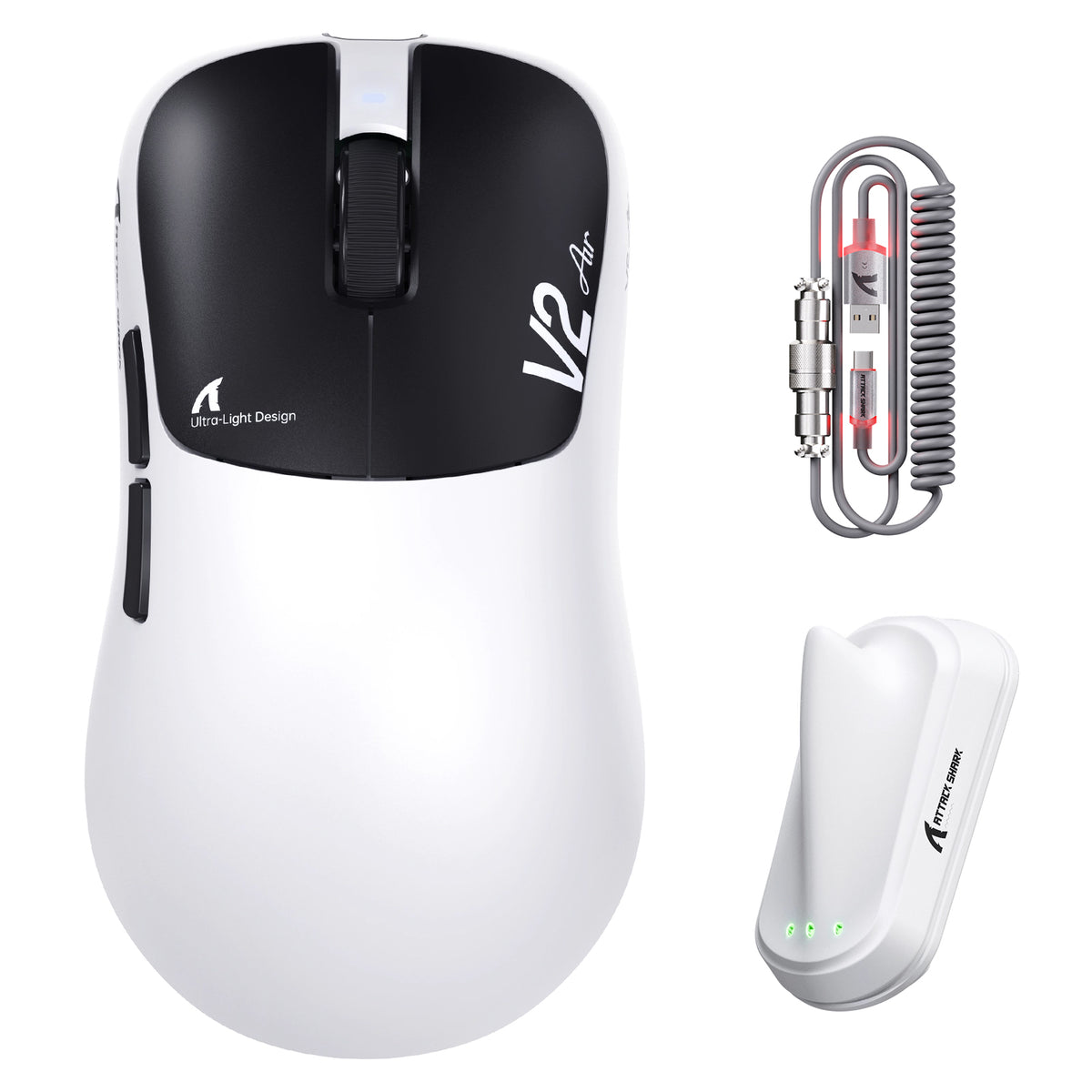

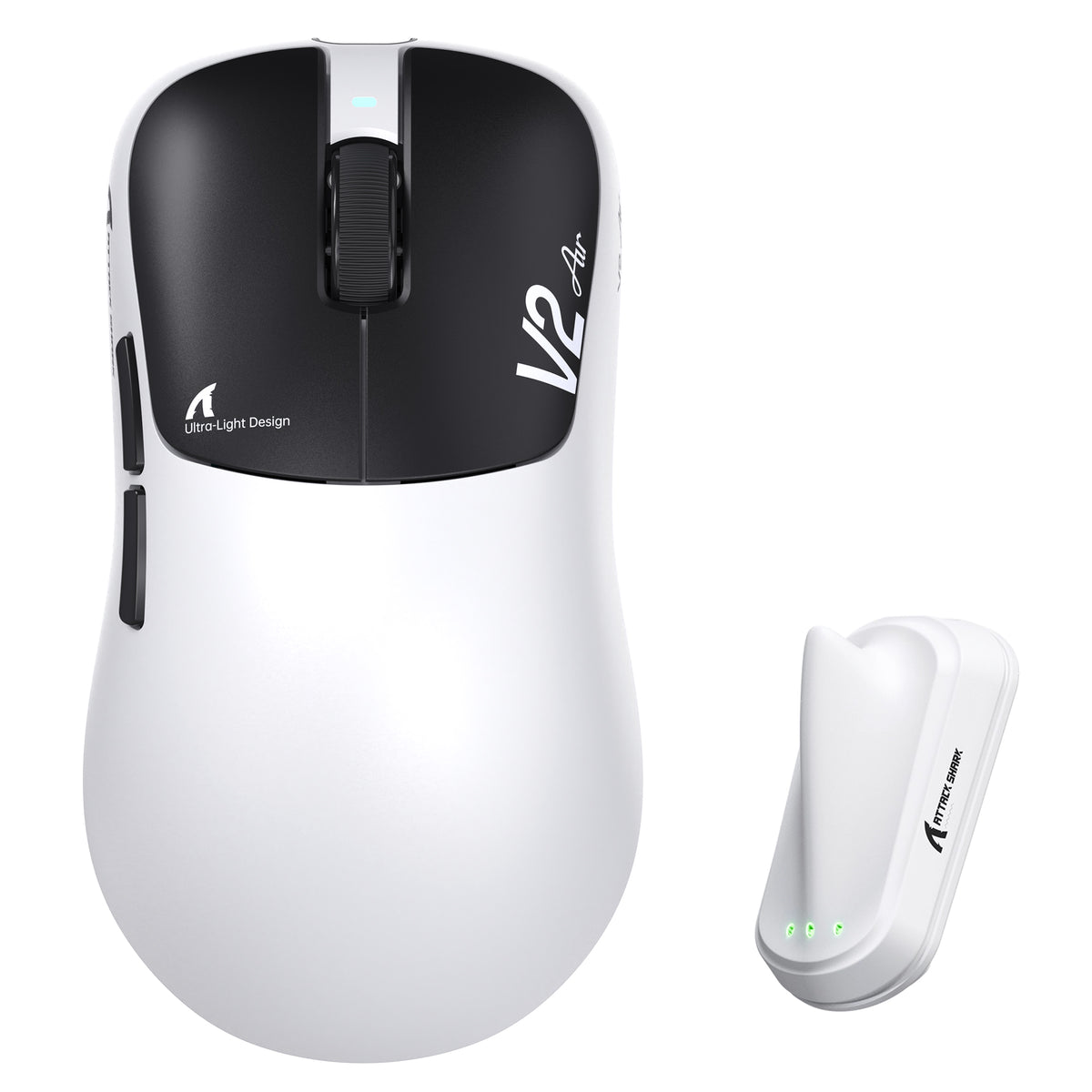
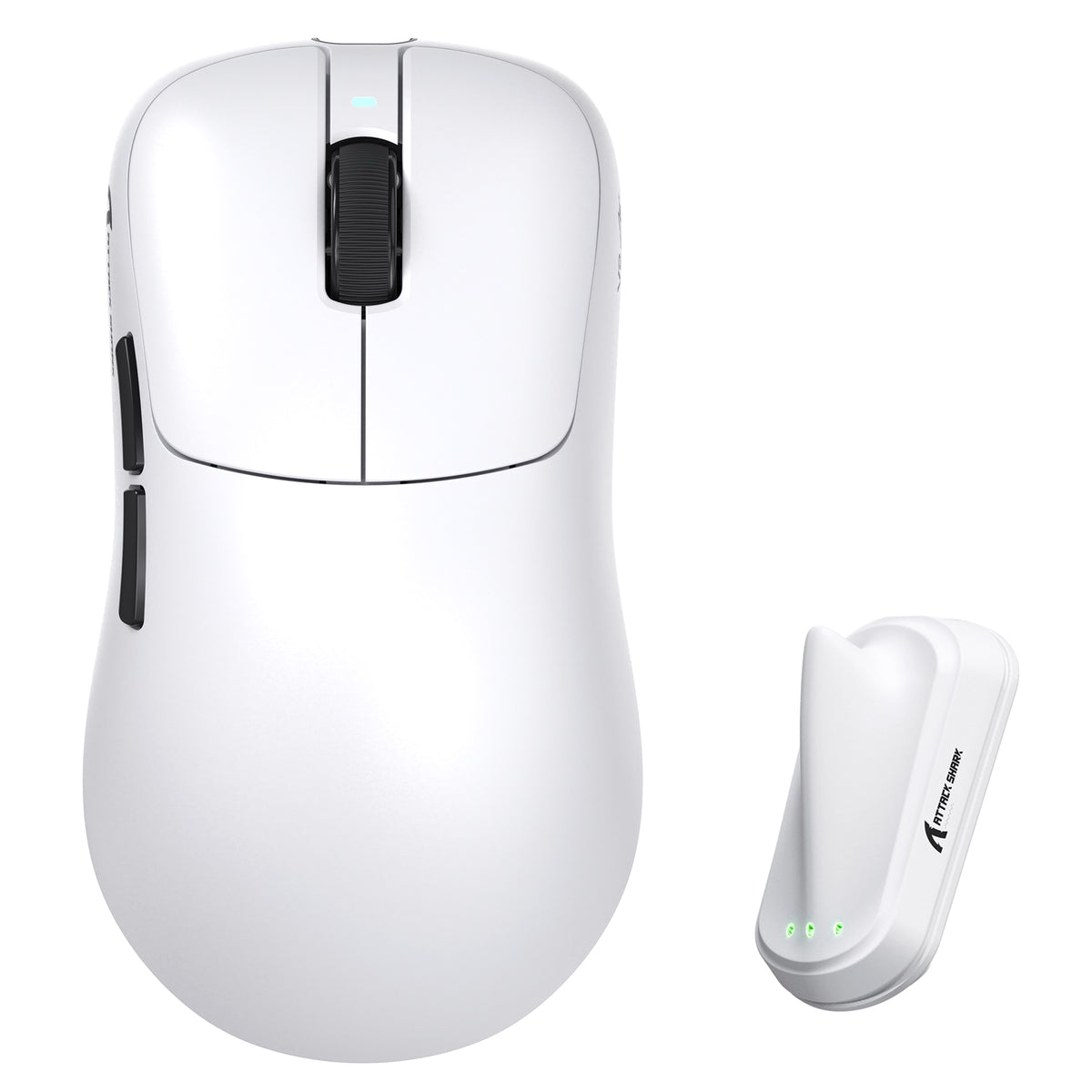
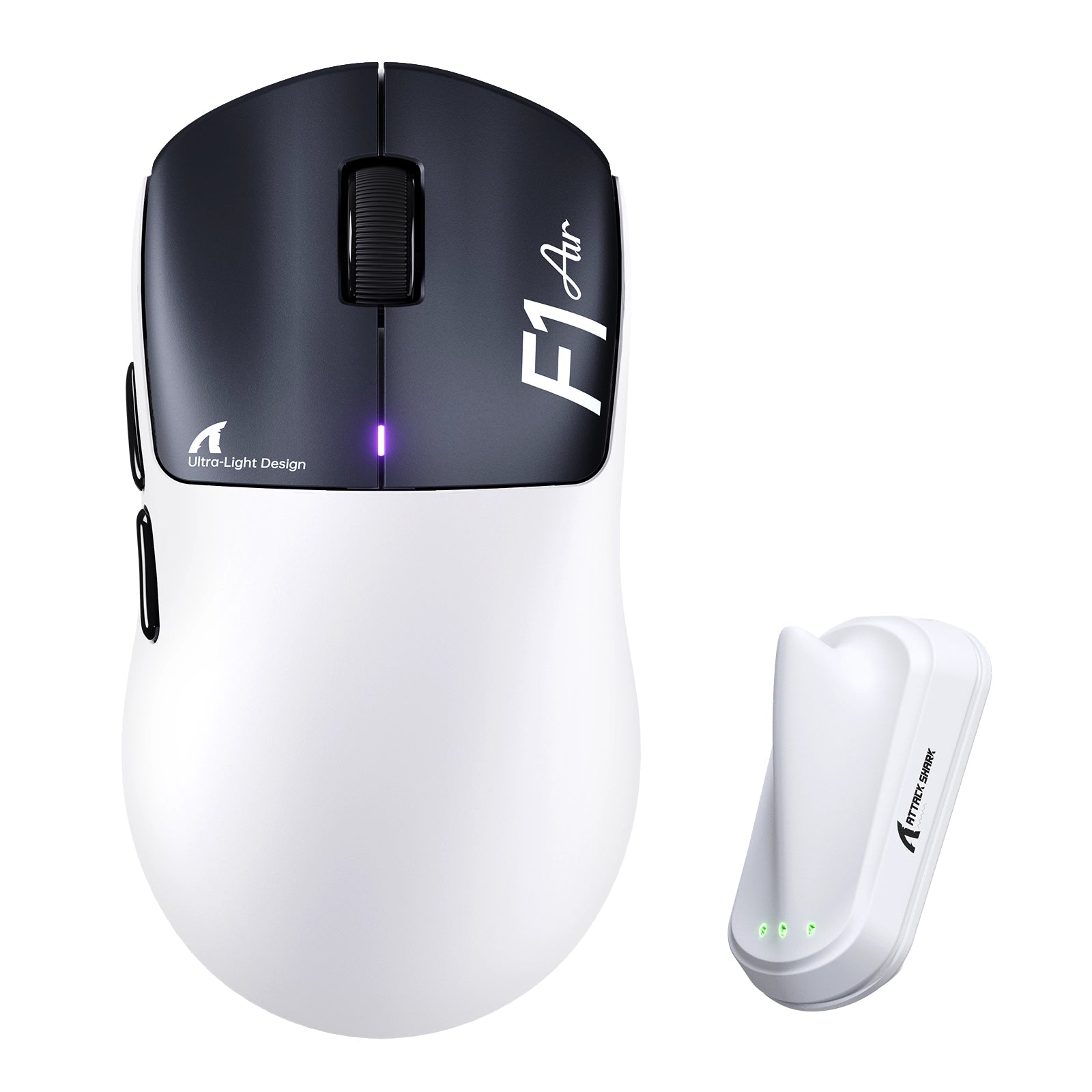

Blogbeiträge
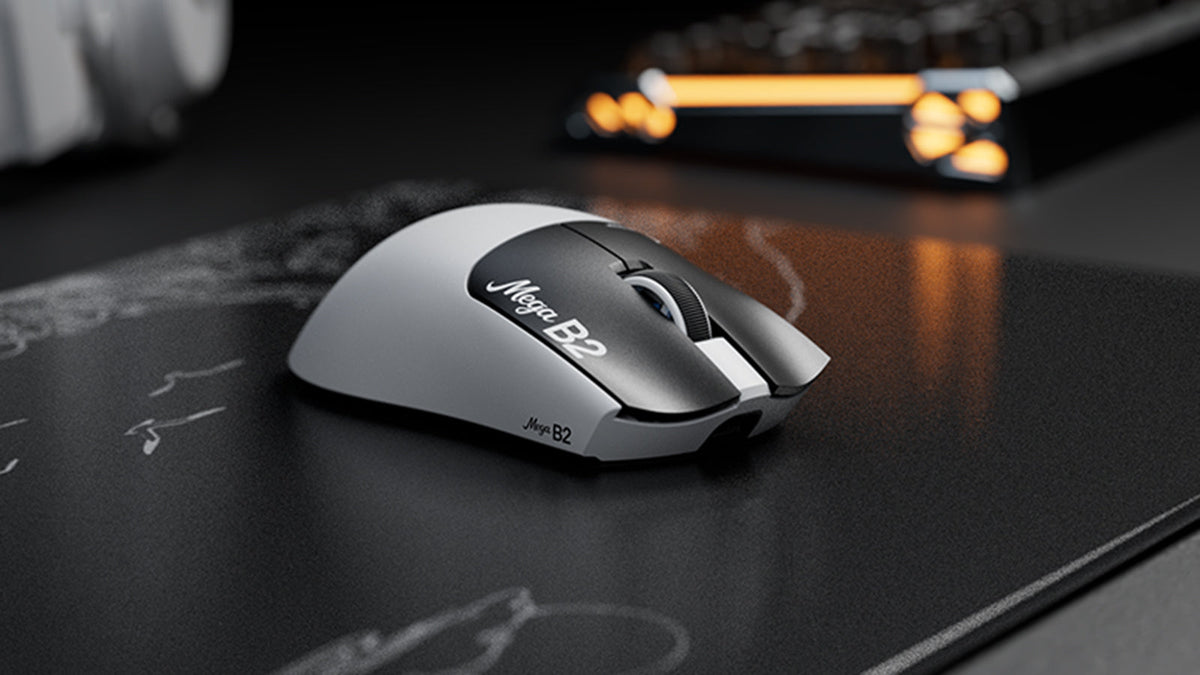
Was ist eine Maus mit Rapid Trigger? Wie die magnetische TMR-Erkennung Mausklicks verändert
Rapid Trigger setzt eine Maustaste nach minimalem Aufwärtsweg zurück, während die magnetische TMR-Erfassung eine einstellbare Auslösung ohne feste Kontakte ermöglicht.

ATTACK SHARK gibt strategische Partnerschaft mit dem League-of-Legends-Team Cloud9 Kia bekannt
Erfahre, warum diese Partnerschaft zwischen Cloud9 und League of Legends für Esports-Fans, Ausrüstung auf Profiniveau und barrierearme Gaming-Peripheriegeräte wichtig ist.

Triff ATTACK SHARK auf der TOKYO TASTATUR EXPO 2026
ATTACK SHARK kommt am 23. September 2026 zum Tokyo Ryutsu Center, um an Stand B21-B23 Hall-Effect-Tastaturen und Gaming-Mäuse praktisch zu testen.