

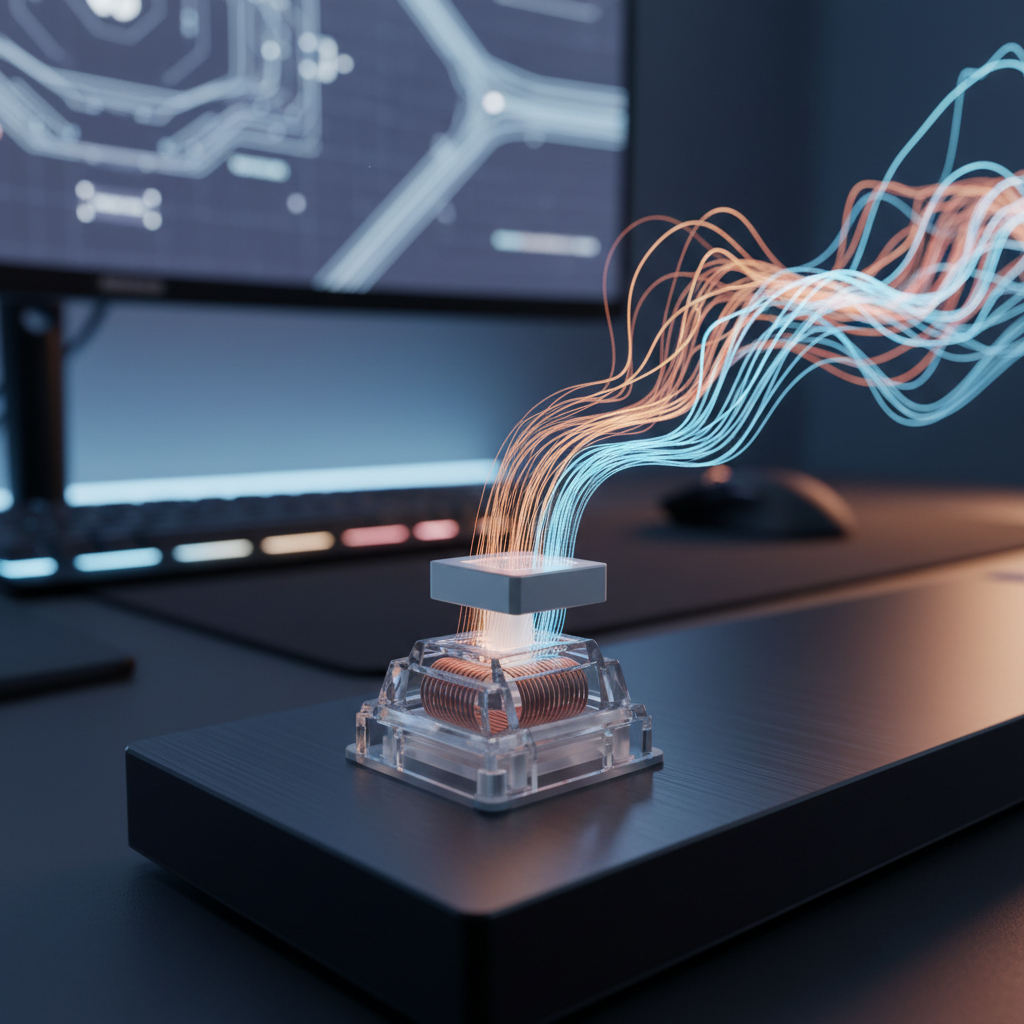
Adjusting Actuation Points: Precision Tuning Hall Effect
Covers the 1:3 Ratio Heuristic, Rapid Trigger benefits, polling rate needs, and ergonomic risks for professional calibration.
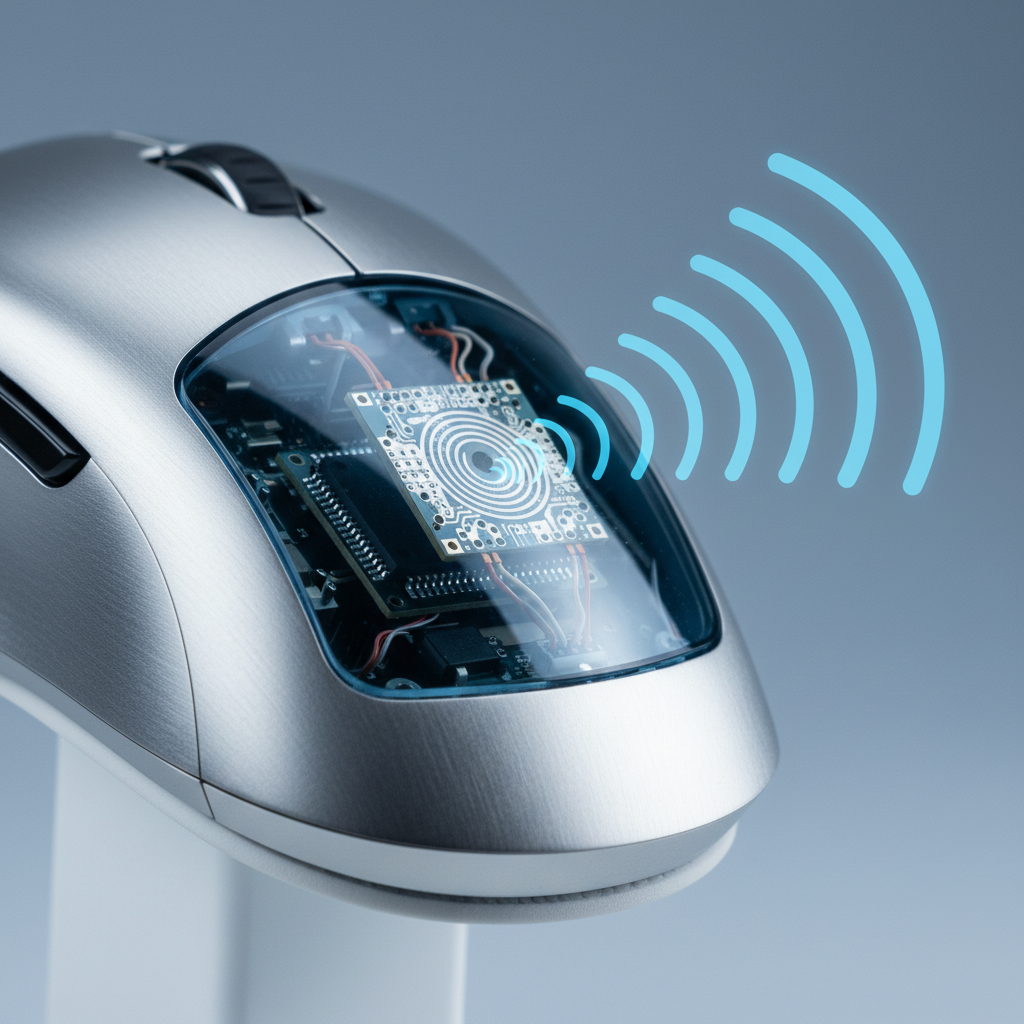
Wireless Signal Integrity: Do Metal Mouse Shells Block 2.4GHz?
Covers signal attenuation, Faraday cage myths, RF-transparent windows, and interference from USB 3.0 for competitive gaming setups.
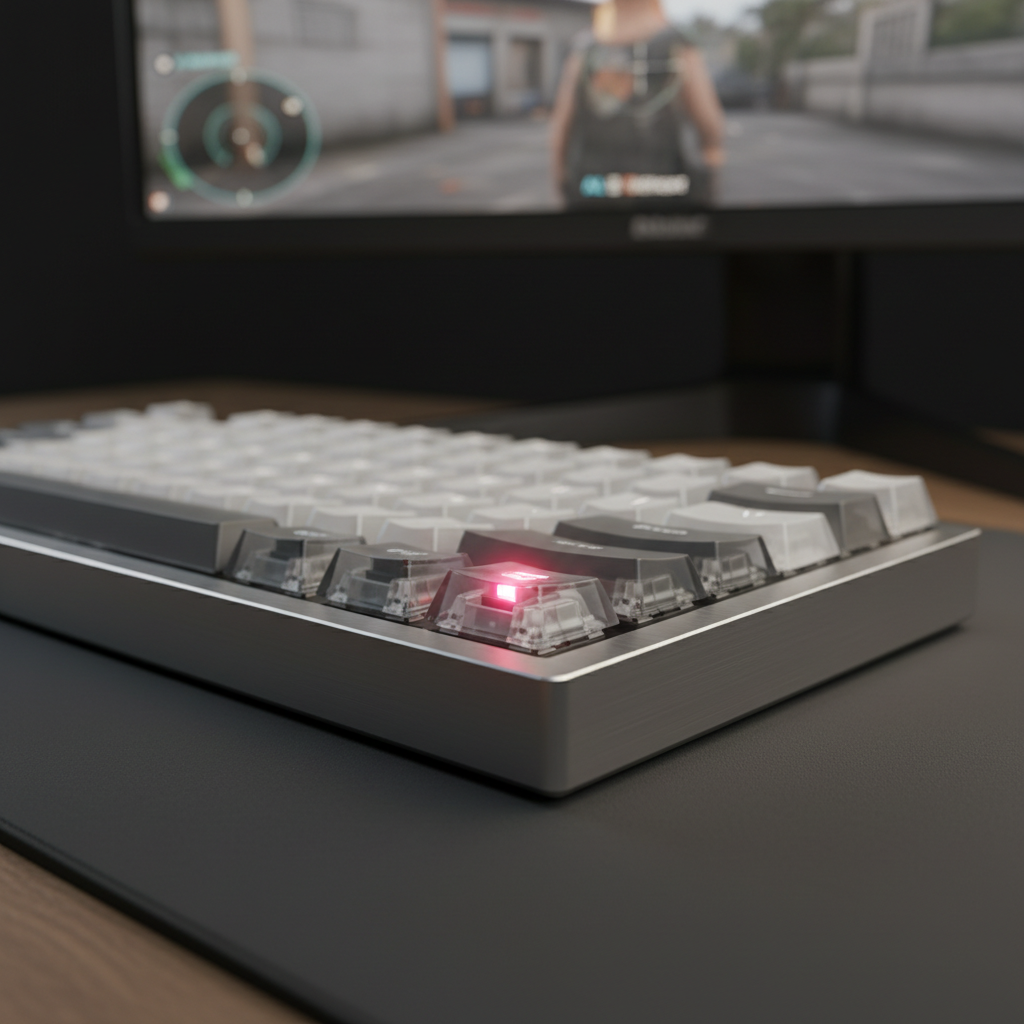
Calibrating Magnetic Sensors for Peak Keyboard Accuracy
Covers Hall Effect physics, EMI impact, Rapid Trigger benefits, and a step-by-step calibration process for competitive gamers.
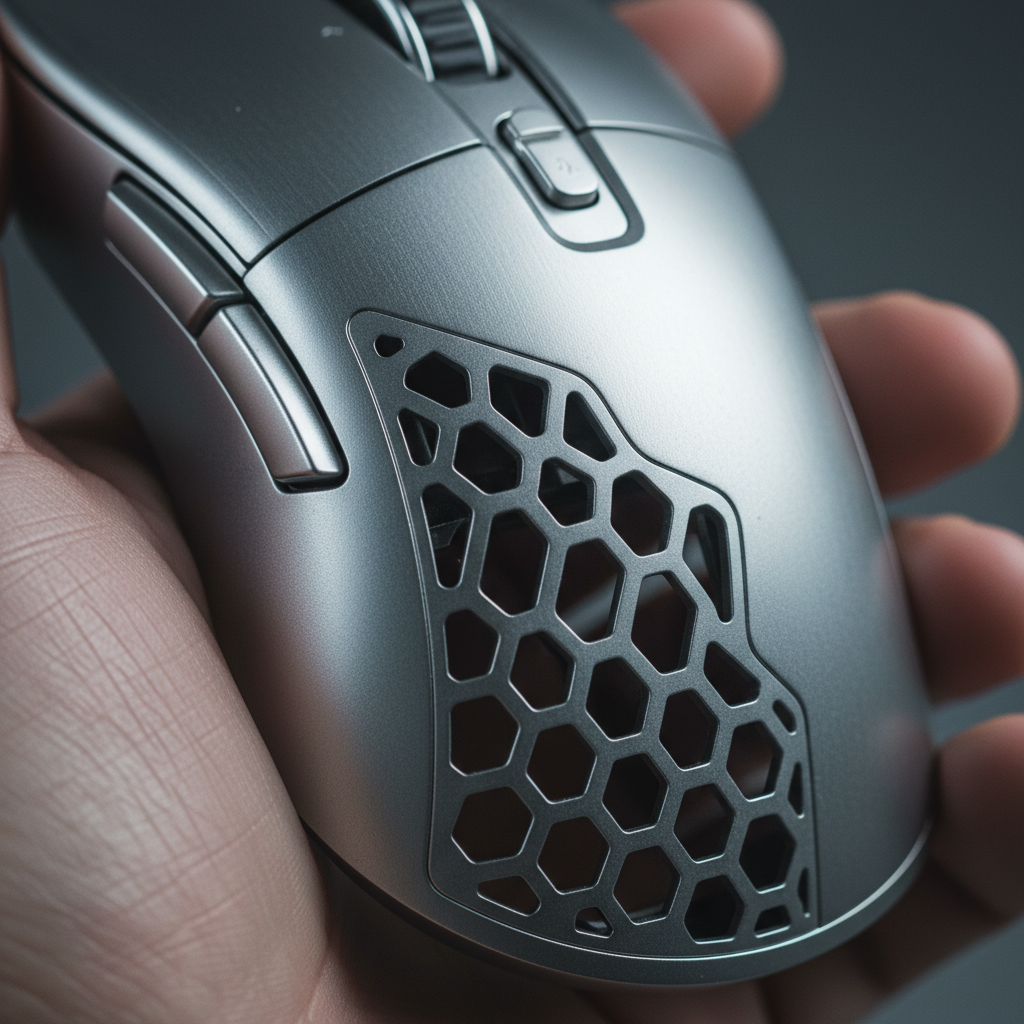
Surface Oxidation: Long-Term Durability of Magnesium Shells
A technical guide on magnesium alloy mouse shell durability, analyzing oxidation, sweat impact, and real-world maintenance to protect your high-end gaming gear.
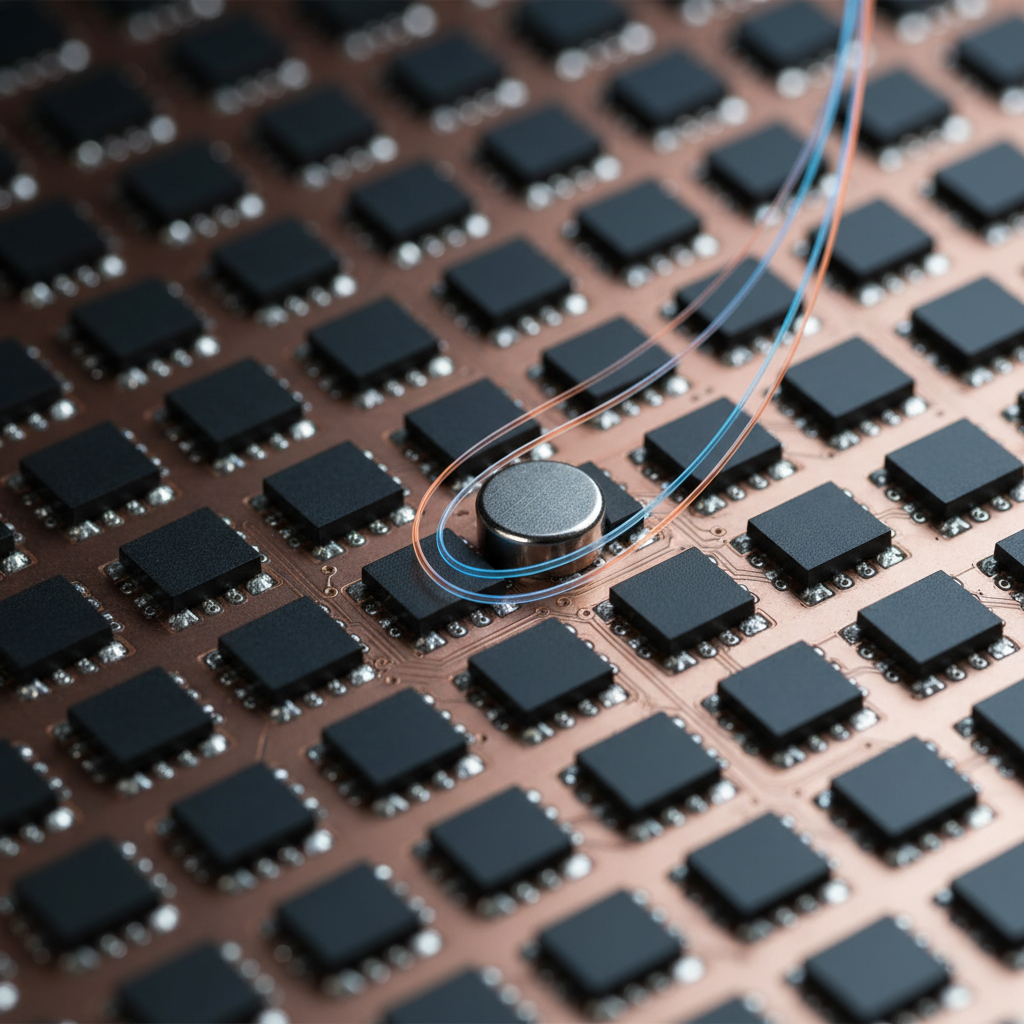
Solving Magnetic Interference in Hall Effect Keyboards
Covers EMI diagnostics, shielding materials, firmware algorithms, and compliance standards to fix phantom inputs and sensor drift.
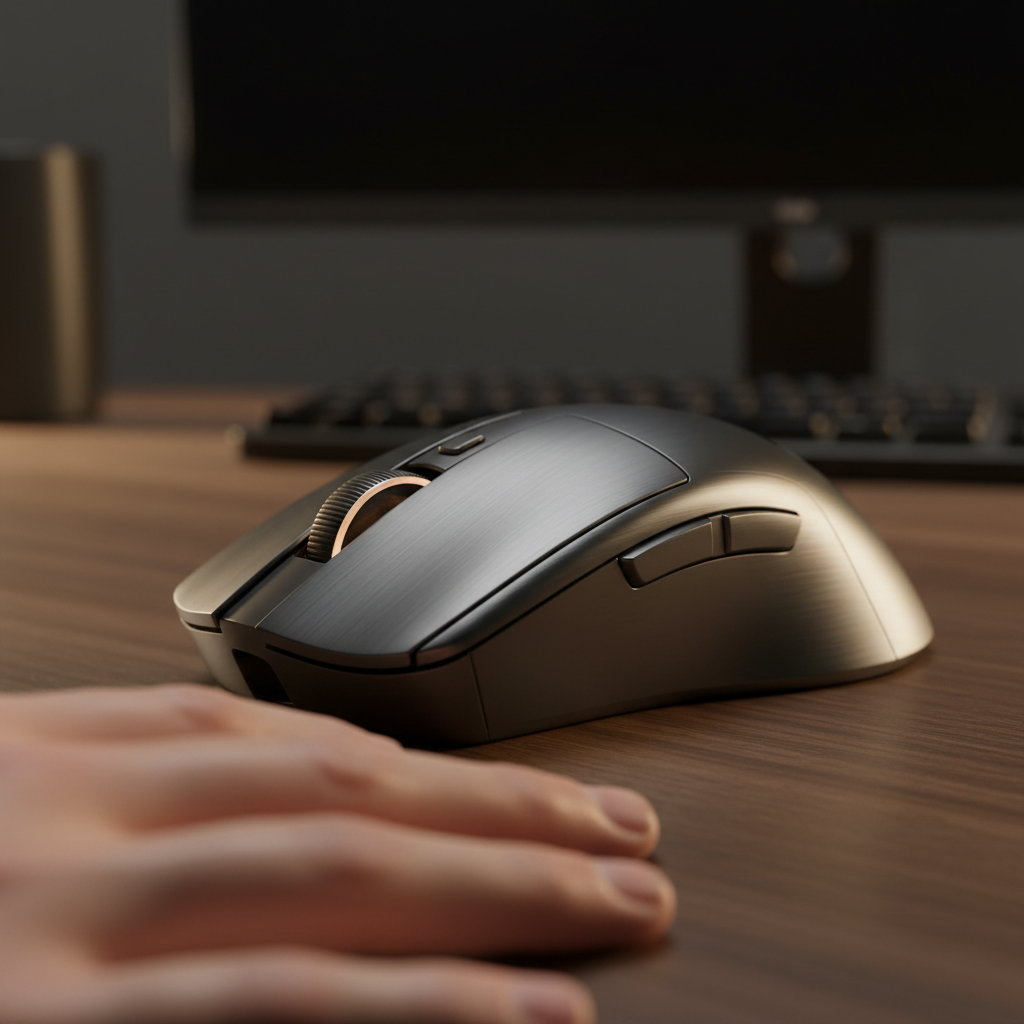
Protecting Aluminum Gaming Mice from Humidity and Oxidation
Covers the science of corrosion, 8000Hz thermal effects, and actionable maintenance steps like the 50/50 cleaning method and acclimatization.
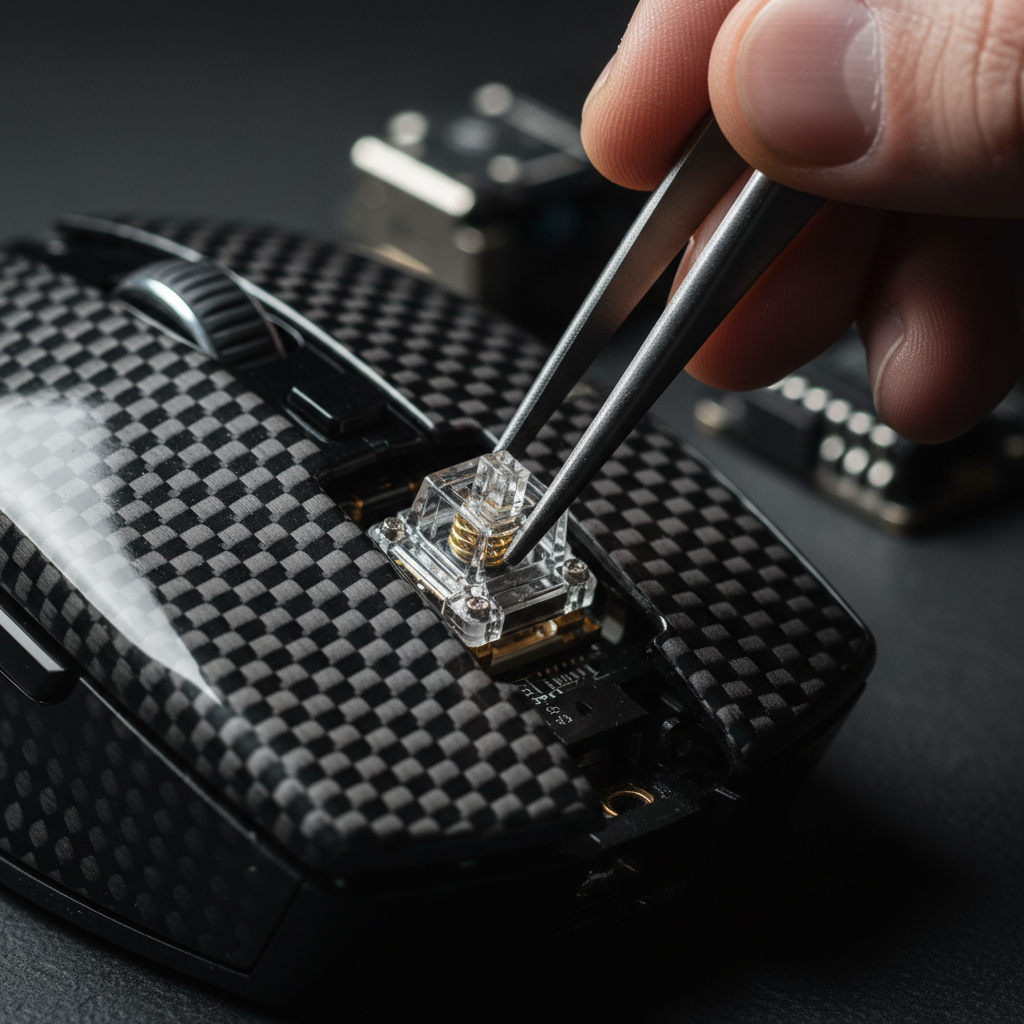
Matching Switches to Carbon Fiber for a Deeper Click
Covers switch housing materials, spring weights, frequency analysis, and practical modding techniques for optimizing acoustics in lightweight gaming mice.

Evaluating Coating Hardness for Long-term Metal Mouse Use
Covers anodization standards, shiny spots, 8000Hz latency trade-offs, and biomechanical strain for long-lasting peripherals.

Structural Ribbing: Balancing Stiffness and Sound Profile
Examines rib thickness, spacing, materials like carbon fiber, and their impact on click acoustics, tracking fidelity, and 8K polling performance.
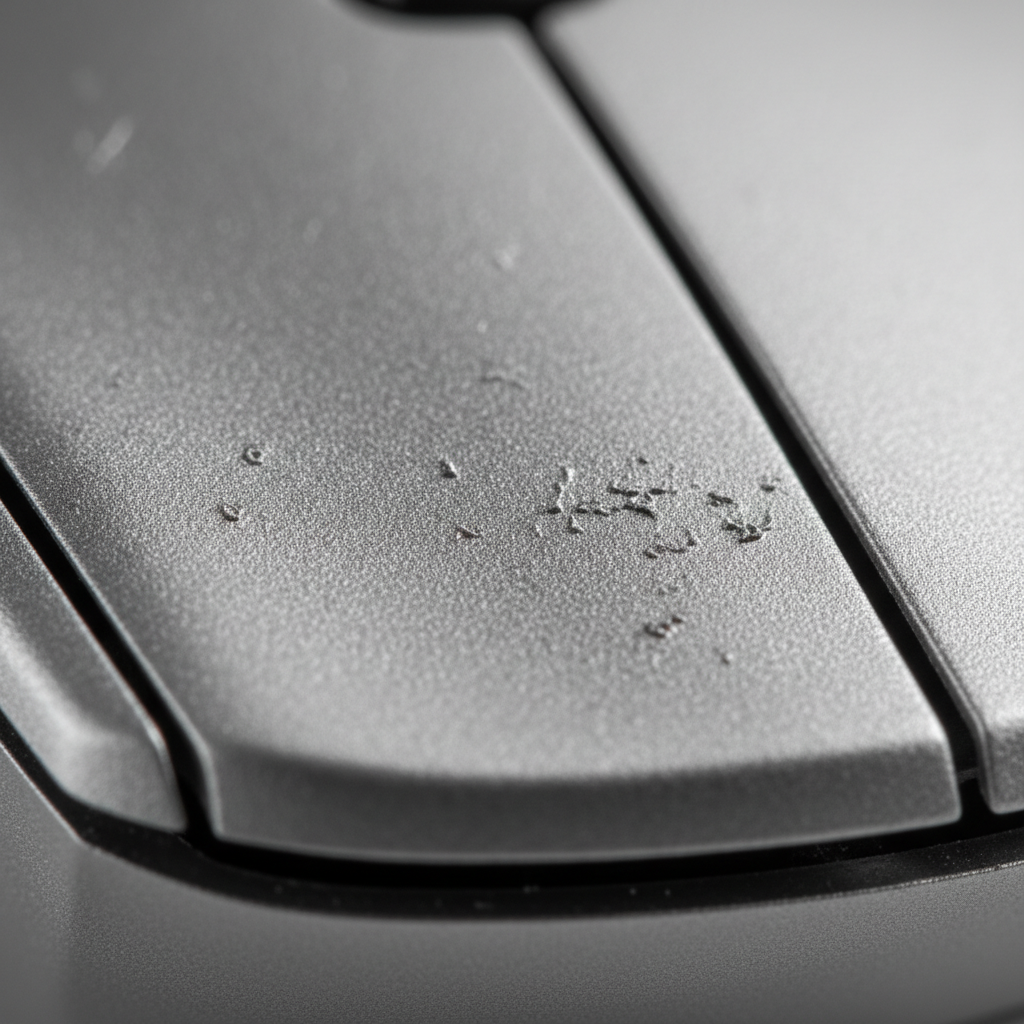
Why Metal Mouse Coatings Chip: Understanding Adhesion Failure
Covers materials science, CTE mismatch, the real impact of cleaning wipes, and validation tests like ASTM D3359 for coating durability.
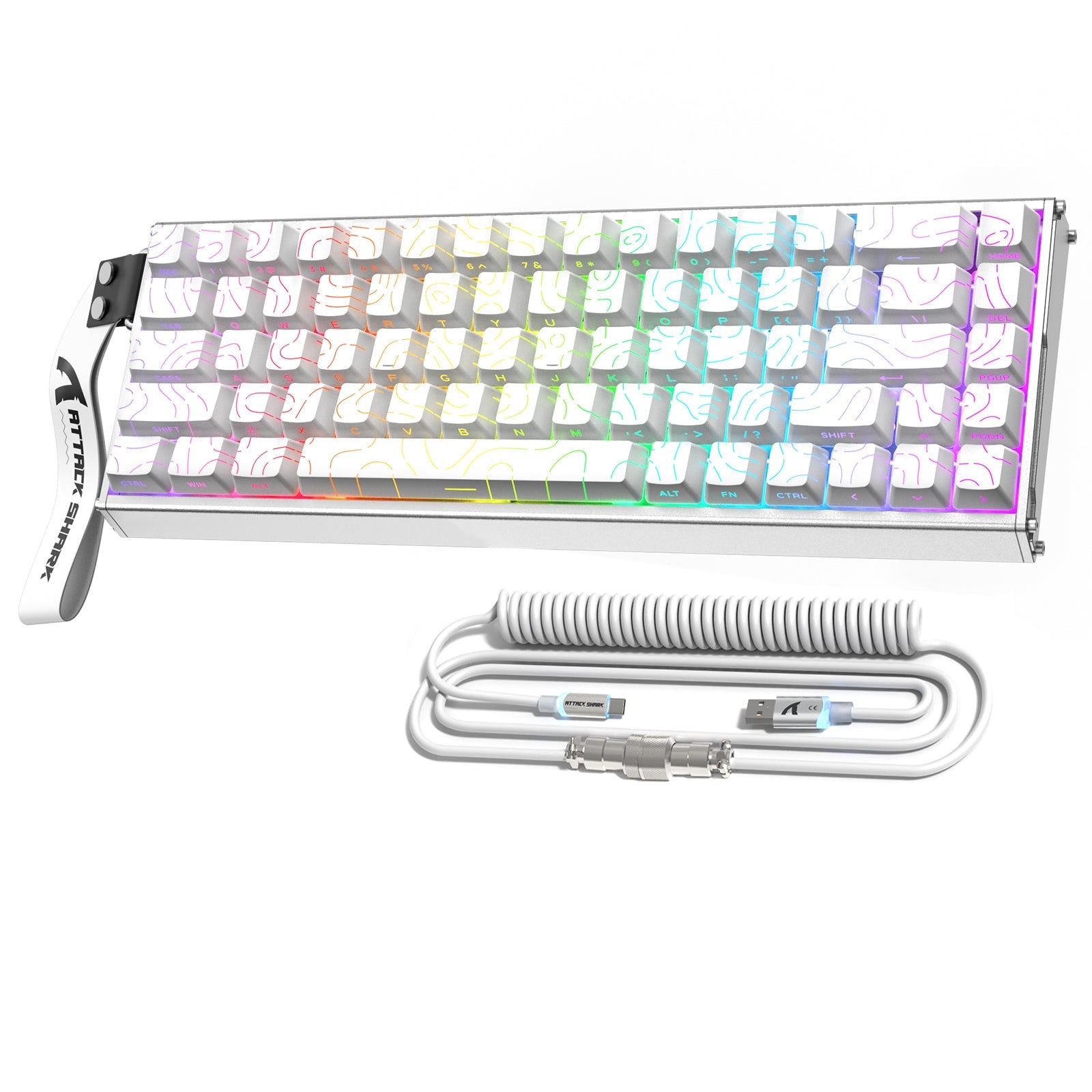
Polishing Raw Aluminum: Achieving a Mirror Finish on Your Case
Covers the full process from 120-grit sanding to final buffing with Tripoli compound, plus tips on heat management and post-polish care.
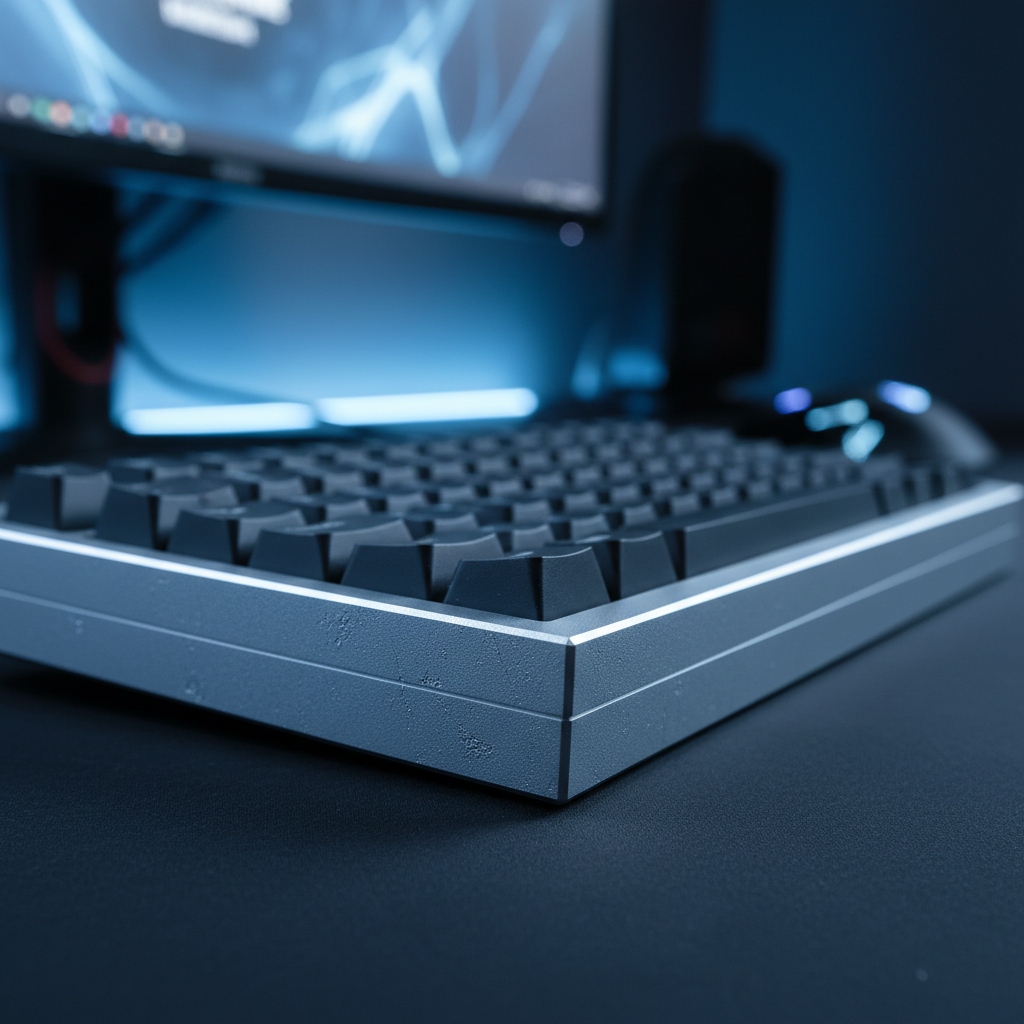
Why Metal Keyboards Feel Cold: Managing Thermal Conductivity
Covers the physics of thermal shock, PBT keycaps as insulation, RGB pre-warming, and structural benefits of aluminum for switch stability.