


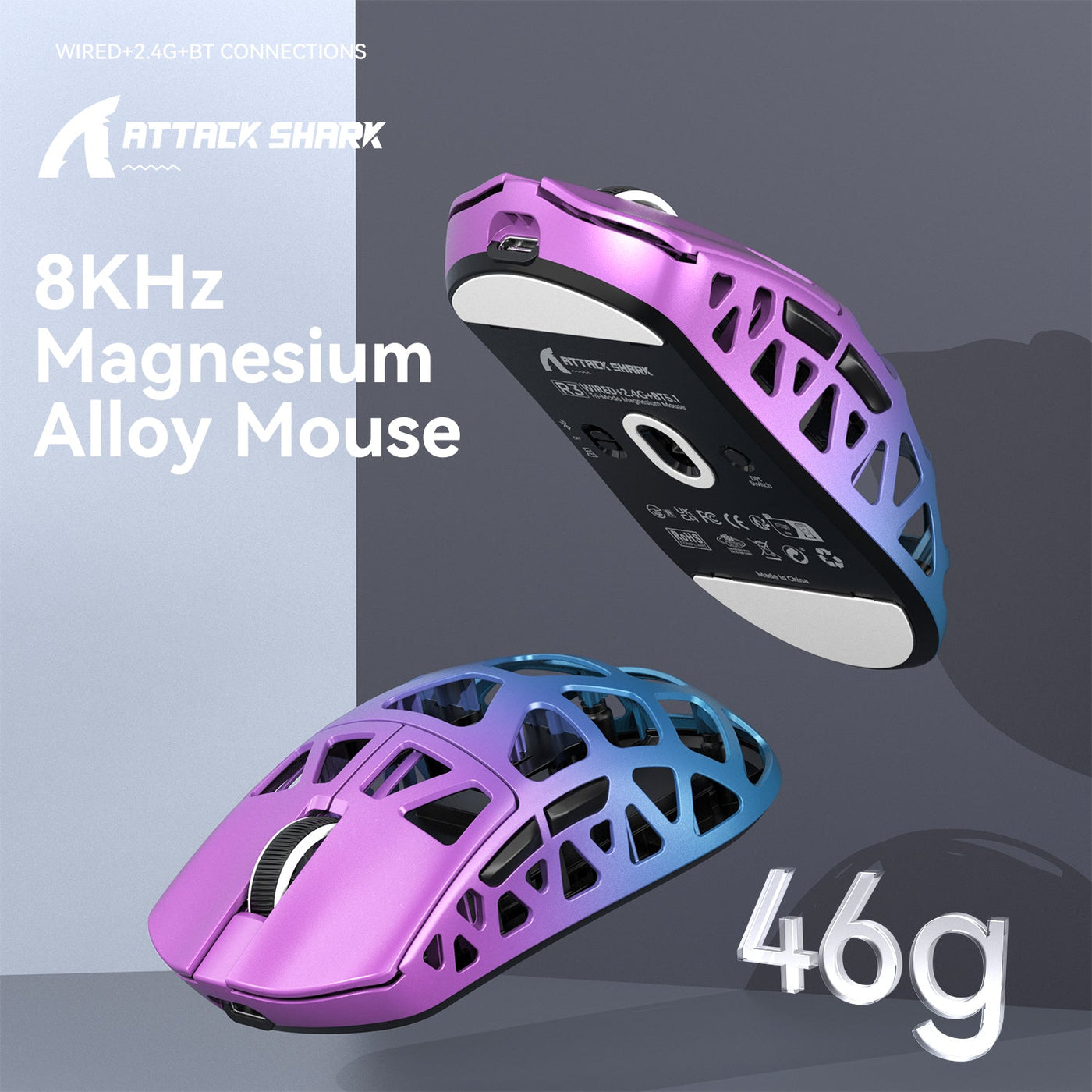
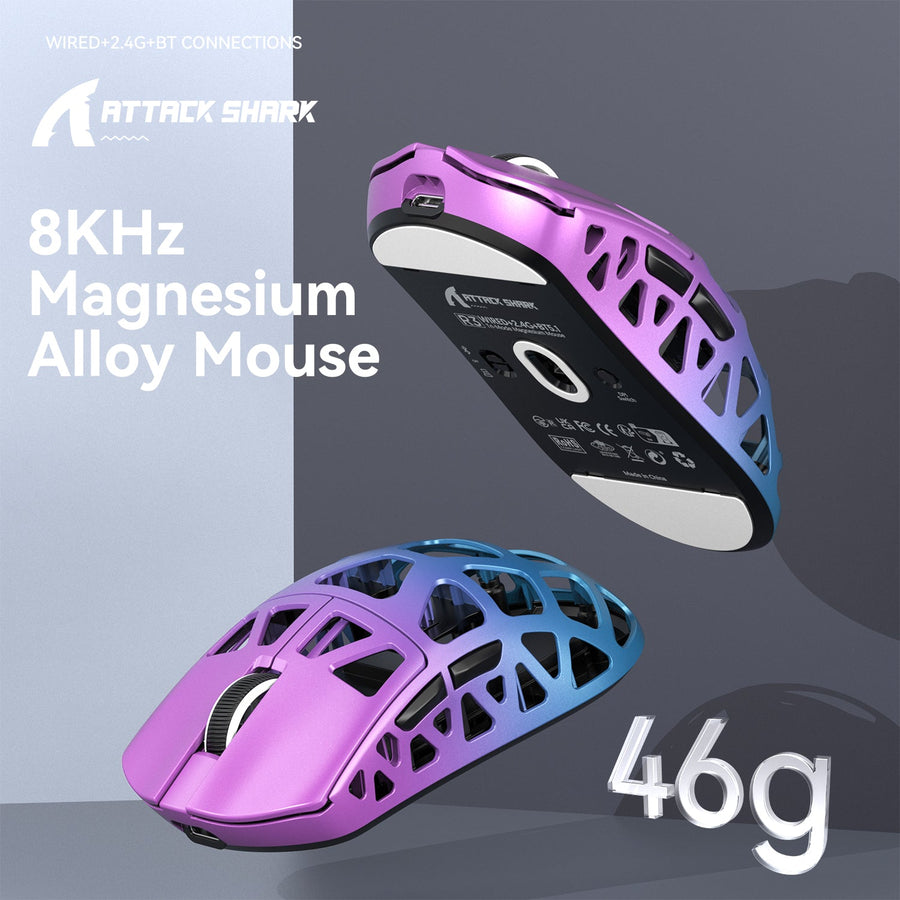
A magnesium alloy gaming mouse is worth the upgrade only if the lighter, stiffer shell solves a real fit or feel problem—not just because you’re hoping the material will magically improve your aim. For the budget-conscious, the question is simple: does magnesium improve how the mouse handles enough to justify the higher price tag? Often, the answer is yes for the feel, but no for pure value.

What Magnesium Alloy Changes
Why Magnesium Alloy Appears in Gaming Mice
Magnesium alloy is used in gaming mice because it allows for a shell that is both incredibly light and more rigid than standard plastic. Material data for AZ91D, a common magnesium alloy, shows a better strength-to-weight ratio than ABS plastics, allowing for thin, lightweight shells that don't suffer from the "flex" you might find in cheaper builds. That’s the real appeal of a premium material: it changes the structural integrity of the shell rather than the sensor performance. Magnesium AZ91D cast alloy properties confirm these structural advantages.
For most buyers, this matters if you prefer a mouse that feels solid and taut in the hand rather than hollow. If your primary goal is the lowest price per spec, plastic remains the better value.

What Buyers Usually Feel First
The first things you’ll likely notice are the lighter weight, a cooler touch, and a more premium, metallic feel. Japan Steel Works notes that magnesium offers excellent vibration damping and heat dissipation compared to plastic, which helps the mouse feel more consistent and "calm" during rapid movements. This doesn't make the mouse objectively better for gaming, but it does make for a more refined experience during long sessions.
If you are sensitive to weight or dislike the slightly warmer, softer feel of plastic, magnesium is an immediate upgrade. If you’re already happy with your current mouse, the difference might feel subtle rather than game-changing.
What the Material Does Not Do
Magnesium alloy does not improve your aim, sensor tracking, or latency. It also won't fix a bad shape, an awkward hump, or mushy clicks. Those factors are far more important than the material of the shell.
This is the deciding factor: if the shape fits and the weight is already in your "sweet spot," magnesium can make the experience feel more premium. If the shape is wrong, a magnesium shell is just an expensive way to keep a mouse you won't enjoy using.
Weight, Feel, and Grip
| Material | Typical feel in use | Main upside | Main tradeoff | Best for |
|---|---|---|---|---|
| Plastic/ABS | Familiar, softer, often warmer | Affordable, reliable value | Less rigid, feels less premium | Buyers wanting a safe, value-driven pick |
| Magnesium alloy | Light, rigid, cool, solid | Best blend of weight and feel | Usually costs more; value must be justified | Buyers who know they want a lighter shell |
| Carbon fiber | Lightweight, premium | Another high-end option | Evaluate based on price/specs first | Buyers comparing materials, not chasing deals |
Magnesium is a great upgrade when you want a lighter mouse that still feels structurally sound. Plastic is the smarter choice when you prioritize comfort, familiarity, or keeping your costs down. Carbon fiber is worth a look, but should generally be a secondary consideration.
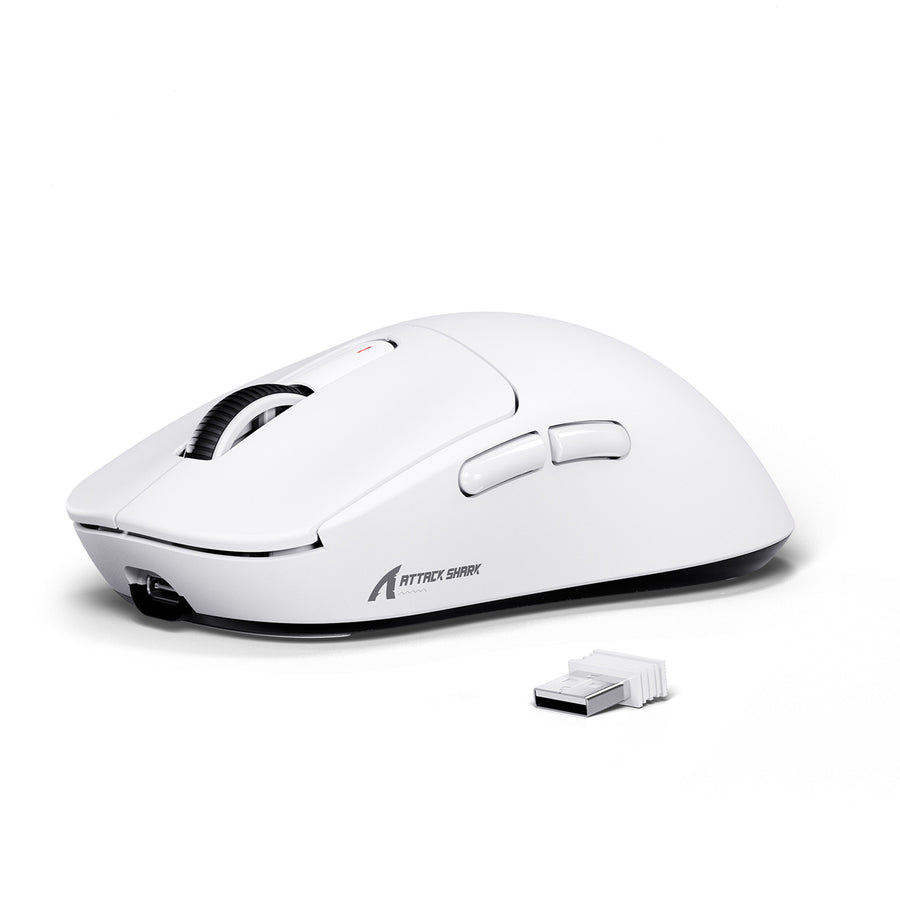
Take the R3 magnesium mouse, for example. It sits in that mid-range space where you have to decide if the material upgrade is worth the extra spend. Always prioritize shape, weight, and sensor tier first—shell material is just the final touch.
Durability, Finish, and Daily Use
Shell Strength Versus Real-World Wear
A rigid magnesium shell feels reassuring, but how does it hold up to everyday life? The North American Die Casting Association’s magnesium-versus-plastic comparison notes that magnesium can use thinner walls while maintaining strength, explaining that dense, precise feel. However, this doesn't mean every magnesium mouse is immune to damage.
In the real world, desk wear, travel, and how you store your gear matter more than the material label. If you’re constantly throwing your mouse into a bag, the quality of the finish and coating matters just as much as the metal itself.
Finish, Grip, and Surface Care
Magnesium mice feel premium, but the finish can affect your grip, especially during intense, sweaty sessions. A smooth coating might look great but offer less traction than a textured plastic shell. Conversely, a rougher finish might provide better grip but show wear and skin oils more easily.
Before buying, look at how the coating holds up after extended use—not just how it looks in studio photography. Treat the finish as a functional part of the mouse, not just decoration.
What to Check Before Buying
Before paying a premium for magnesium, check the return policy, warranty, exact weight, and included accessories. These details are often better indicators of true value than the material name. A well-designed plastic mouse with top-tier specs is almost always a better buy than a magnesium mouse with questionable support or software.
This is especially true with budget brands, where software and quality control are just as critical as the shell. If the listing doesn't give you confidence in the basics, don't let the "magnesium" label be the deciding factor.
When Plastic Still Makes Sense
- Your budget is tight; paying for magnesium would force you to downgrade the sensor, switches, or settle for a shape you don't like.
- You already love the feel of your current plastic mouse and don't need a cooler, more rigid shell.
- You prioritize grip comfort and shape over a "metallic" feel.
- You are buying a travel mouse or a first-time upgrade where value is the top priority.
If any of these sound like you, stick with plastic. It’s not a compromise—it’s a smart allocation of your budget toward the parts that actually improve your daily performance.
The Best Buy Decision
Magnesium alloy is worth it if you’re looking for a lightweight mouse, love the shape, and want a more premium in-hand feel. Plastic is the better choice if the price premium for magnesium would stretch your budget or force you to sacrifice performance. Compare the R3 against other wireless mice and choose based on how it fits your hand, not just the material it's made of.
FAQs
Is a Magnesium Alloy Gaming Mouse Worth It?
Yes, if you value a lighter, more rigid feel and the mouse already matches your shape preferences. It’s less compelling if you’re just paying for the "prestige" of the material. Always weigh the premium against what you might be losing in sensor quality or switches.
What Is Better for FPS Gaming, Magnesium or Plastic?
Neither is inherently better. Magnesium can feel more responsive and refined due to its weight and rigidity, but shape and weight distribution are the real keys to comfort and control. If a plastic mouse fits your hand better, it’s the better choice for your FPS performance.
Can Magnesium Alloy Feel Too Light or Too Slippery?
It can, especially if you’re used to a heavier mouse or prefer the grippiness of textured plastic. The most important thing is whether you feel in control during fast flicks. If you find yourself losing your grip, the material upgrade isn't helping you.
Why Do Some Buyers Choose Carbon Fiber Instead?
Carbon fiber is another premium, lightweight alternative. The question isn't which material sounds "fancier," but which one offers the best balance of shape, weight, and price for your needs.
How Should I Compare a Magnesium Mouse Before Buying?
Start with the shape. If that’s a match, check the weight, warranty, and return policy. If those basics are solid, then consider the magnesium shell as a bonus.
What If I Mostly Play Casual Games or Work on the Same Mouse?
Then the value proposition is even more important. Casual players and office users usually value comfort and reliability over material. A high-quality plastic mouse will likely serve you better in the long run.