


The Architecture of "Safe" Shapes: A Decision Framework for Multi-Genre Gaming
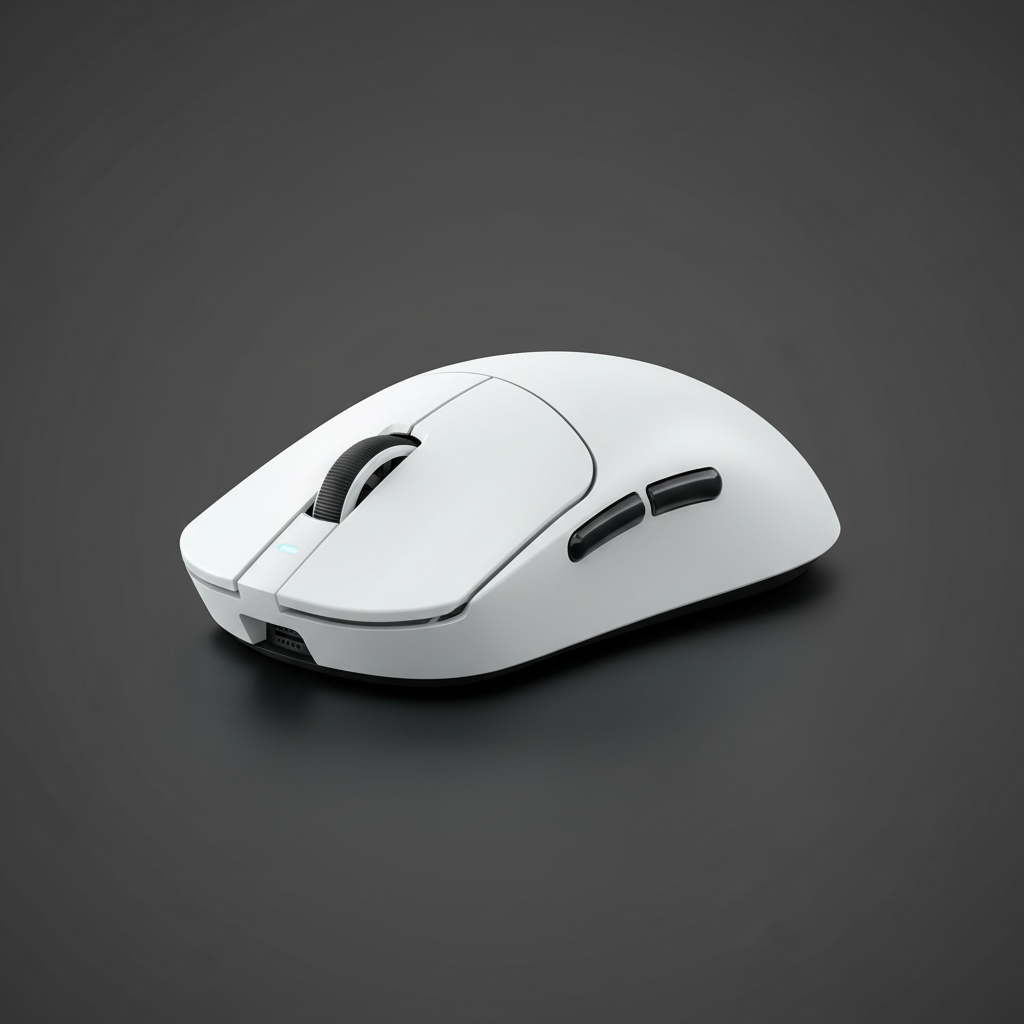
In the competitive gaming landscape, the term "safe shape" refers to a specific ergonomic philosophy: a chassis design that prioritizes geometric tolerance over niche optimization. While aggressive shapes are engineered for specific grips (such as a deep-cradled thumb rest for pure palm grip), a safe shape aims to accommodate the widest possible range of hand sizes and grip styles without introducing biomechanical interference. For the budget-conscious gamer who switches between high-intensity FPS titles and sustained RTS or MOBA sessions, identifying these shapes is the primary defense against repetitive strain and performance degradation.
According to the Global Gaming Peripherals Industry Whitepaper (2026), the industry is shifting toward "fair geometry"—designs that respect human anthropometric constants rather than genre-specific trends. This transition is critical because a shape that is "safe" in a MOBA context (where horizontal movement dominates) may become "unsafe" in an FPS environment if it lacks the vertical stability required for rapid flick shots.
Biomechanical Constants: Humps, Lengths, and Metacarpal Support
The effectiveness of a safe shape is dictated by two primary geometric factors: hump placement and chassis length. Our analysis of common patterns in customer support and return handling (not a controlled lab study) indicates that the most frequent cause of fatigue is not the mouse's weight, but a "mismatch of support" in the metacarpal region of the palm.
The Hump Position Rule
A truly safe shape typically features a hump that peaks just behind the center of the mouse. This placement allows the metacarpal region—the area just below the knuckles—to make consistent contact for stability without locking the wrist into a fixed angle. If the hump is too far forward, it forces a steep arch that can lead to extensor digitorum strain. Conversely, a hump that is too far back may interfere with the "micro-adjustments" required in fingertip grip.
The "Base of Palm" Heuristic
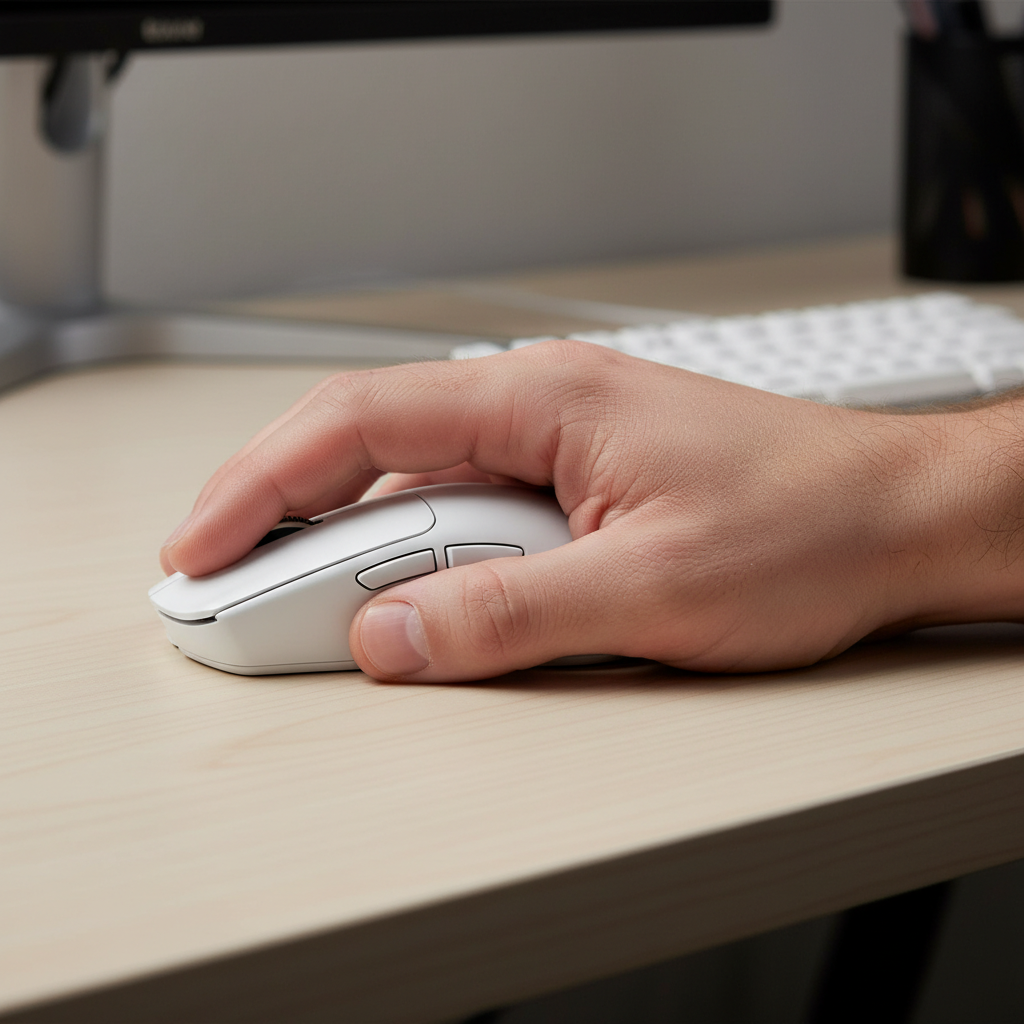
A common mistake among value-driven gamers is choosing a mouse that is dimensionally too short for their hand size. We employ a shop-standard heuristic known as the "Base of Palm" rule: the mouse length should allow the base of the palm (just above the wrist) to rest comfortably on the mousepad while the fingertips reach the front third of the primary buttons.
Methodology Note: This 60% fit ratio is a practical baseline for quick selection. It assumes standard joint flexibility and may not apply to users with pre-existing carpal tunnel conditions or those using extreme "pincer" claw grips.

Scenario Modeling: The Hybrid Grip User
To understand the risks of "unsafe" shapes, we modeled a scenario involving a "Hybrid Grip User" (75th percentile male, 19.5cm hand length). This persona switches between claw grip for FPS precision and palm grip for RTS comfort.
The Moore-Garg Strain Index (SI) Analysis
When a user switches grips on a chassis that does not perfectly support both, the biomechanical cost increases. We applied the Moore-Garg Strain Index—an occupational health screening tool used to analyze risk for distal upper extremity disorders—to this hybrid gaming workload.
| Parameter | Value/Multiplier | Rationale |
|---|---|---|
| Intensity of Effort | 2 (Hard) | High-frequency flick shots in FPS combat |
| Duration of Task | 1 (Standard) | 2-3 hour sessions |
| Efforts per Minute | 4 (High) | ~300-400 clicks/min during intense play |
| Posture Multiplier | 2 (Strained) | Switching between wrist extension and neutral |
| Speed of Work | 2 (Fast) | Rapid reaction requirements |
| Duration per Day | 1.5 (Extended) | 4-6 hours of daily multi-genre use |
Resulting SI Score: ~48 (Hazardous). Note: Under these assumptions, the hybrid grip pattern creates ergonomic vulnerabilities that could manifest as fatigue within 60–90 minutes of mixed-genre play. A hazardous classification (typically SI > 5) suggests a significant risk of strain if ergonomic adjustments are not made.
Modeling Disclosure: This is a deterministic scenario model based on Moore & Garg (1995) and ISO 7250 anthropometric data. It is not a medical diagnosis. Individual results vary based on muscle conditioning and desk height.
Technical Synergy: Sensors, Polling, and DPI
A safe shape is only as effective as the data it produces. For multi-genre play, the sensor must handle high-velocity movements (FPS) and high-precision micro-adjustments (RTS). Modern flagship sensors, such as the PixArt PAW3395, provide the necessary headroom, but their implementation requires technical discipline.
The Nyquist-Shannon DPI Minimum
To avoid "pixel skipping" on a 1440p display (2560px horizontal) with a standard 103° FOV, the mathematical minimum DPI requirement is approximately 1300 DPI. This is based on the Nyquist-Shannon Sampling Theorem, which states that the sampling rate must be at least twice the signal bandwidth (in this case, pixels per degree). We recommend a "safety headroom" of 1600 DPI for most hybrid setups to ensure smooth tracking during slow RTS camera pans.
8000Hz (8K) Polling Constraints
Higher polling rates reduce input latency, but they introduce severe system bottlenecks.
- Latency Math: An 8000Hz rate provides a near-instant 0.125ms polling interval.
- Motion Sync: When enabled at 8K, Motion Sync adds a negligible delay of ~0.0625ms (half the interval).
- CPU Load: Processing 8,000 interrupts per second stresses single-core CPU performance.
- Strict Protocol: Devices must be connected to Direct Motherboard Ports (Rear I/O). Do not use USB hubs or front-panel headers, as shared bandwidth and poor shielding will cause packet loss and micro-stutter.
Material Science and Environmental Fatigue
Texture and coating are often overlooked as performance multipliers. In humid conditions, glossy coatings or overly aggressive inward side curves can cause "grip slip," forcing the user to increase squeeze pressure. This increased pressure is a leading cause of thenar eminence (thumb base) fatigue.
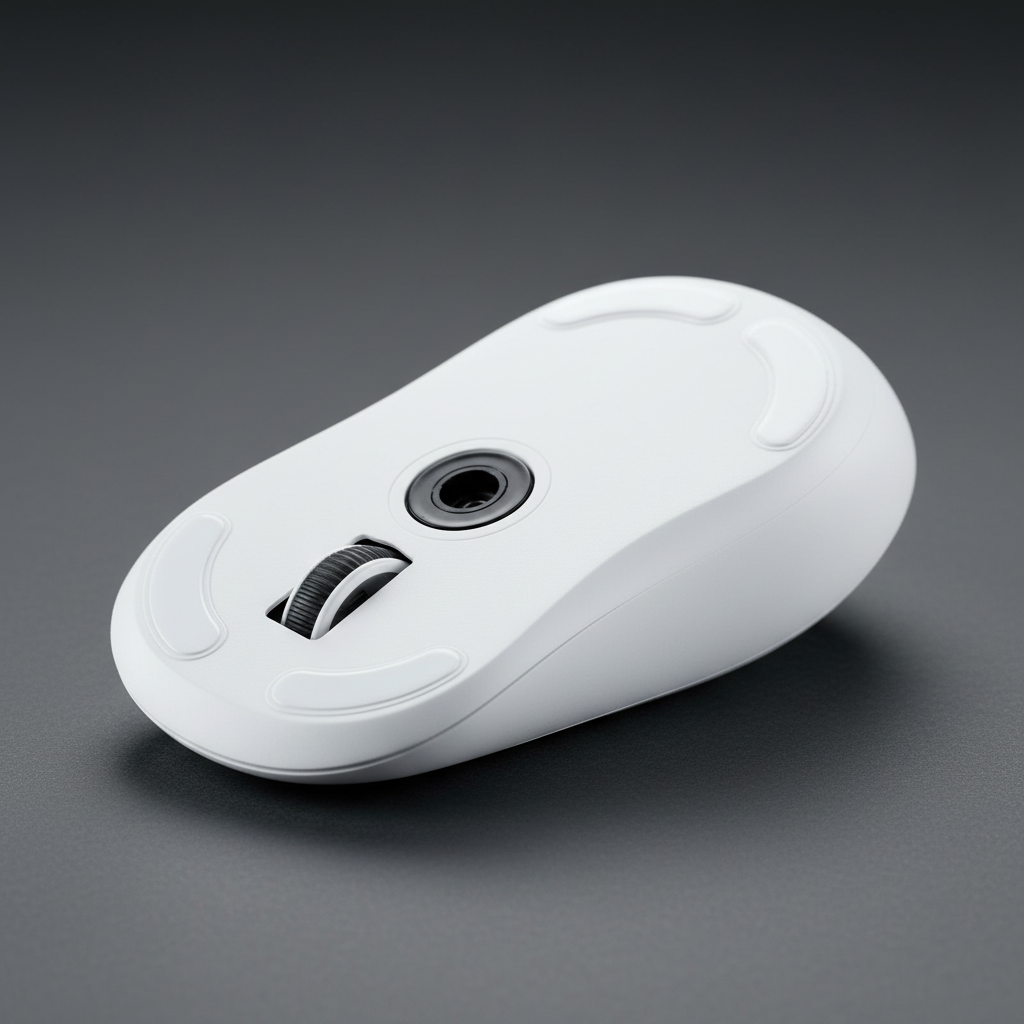
Furthermore, the interaction between mouse feet and the pad surface is critical. Hard PTFE skates on a hybrid pad can make a safe shape feel more controllable. However, the same skates on a hard glass pad may introduce a "floaty" sensation that undermines precision in RTS titles. For multi-genre play, a medium-friction "control" pad often provides the most consistent baseline.
Global Compliance and Safety Standards
When selecting a high-performance wireless mouse, authoritativeness extends to the internal components. Competitive mice must adhere to strict international standards to ensure long-term reliability and safety:
- Wireless Integrity: Devices must pass FCC Equipment Authorization and EU Radio Equipment Directive (RED) testing to ensure the 2.4GHz signal does not interfere with other household electronics.
- Battery Safety: Lithium-ion batteries must meet UN 38.3 criteria for safe transport and IEC 62133 for operational safety.
- Chemical Compliance: Materials should be screened against REACH (SVHC) and RoHS directives to ensure they are free from hazardous substances like lead or phthalates, which is particularly important for devices in constant skin contact.

Selection Checklist: Finding Your Safe Shape
To determine if a mouse chassis qualifies as a "safe shape" for your specific needs, use the following technical checklist:
- Hump Alignment: Does the highest point sit behind the center line? (Prioritize metacarpal support).
- Width-to-Length Ratio: Is the grip width approximately 60% of the total length? (Standard ergonomic balance).
- Side Wall Geometry: Are the sides flat or slightly concave? (Avoid aggressive "comfort grooves" that lock fingers into one position).
- Sensor Positioning: Is the sensor centered? (Off-center sensors can cause "arc distortion" when switching between claw and palm grips).
- Coating Durability: Is the surface matte or PBT-textured? (Matte finishes typically offer better moisture management in high-stress sessions).
By prioritizing these geometric and technical constants over marketing superlatives, gamers can secure a high-performance peripheral that scales across genres while protecting long-term musculoskeletal health.
Disclaimer: This article is for informational purposes only and does not constitute professional medical advice. Ergonomic needs vary significantly based on individual anatomy and pre-existing conditions. If you experience persistent pain or numbness in your wrist or hand, consult a qualified physiotherapist or ergonomic specialist.

Laisser un commentaire
Ce site est protégé par hCaptcha, et la Politique de confidentialité et les Conditions de service de hCaptcha s’appliquent.