


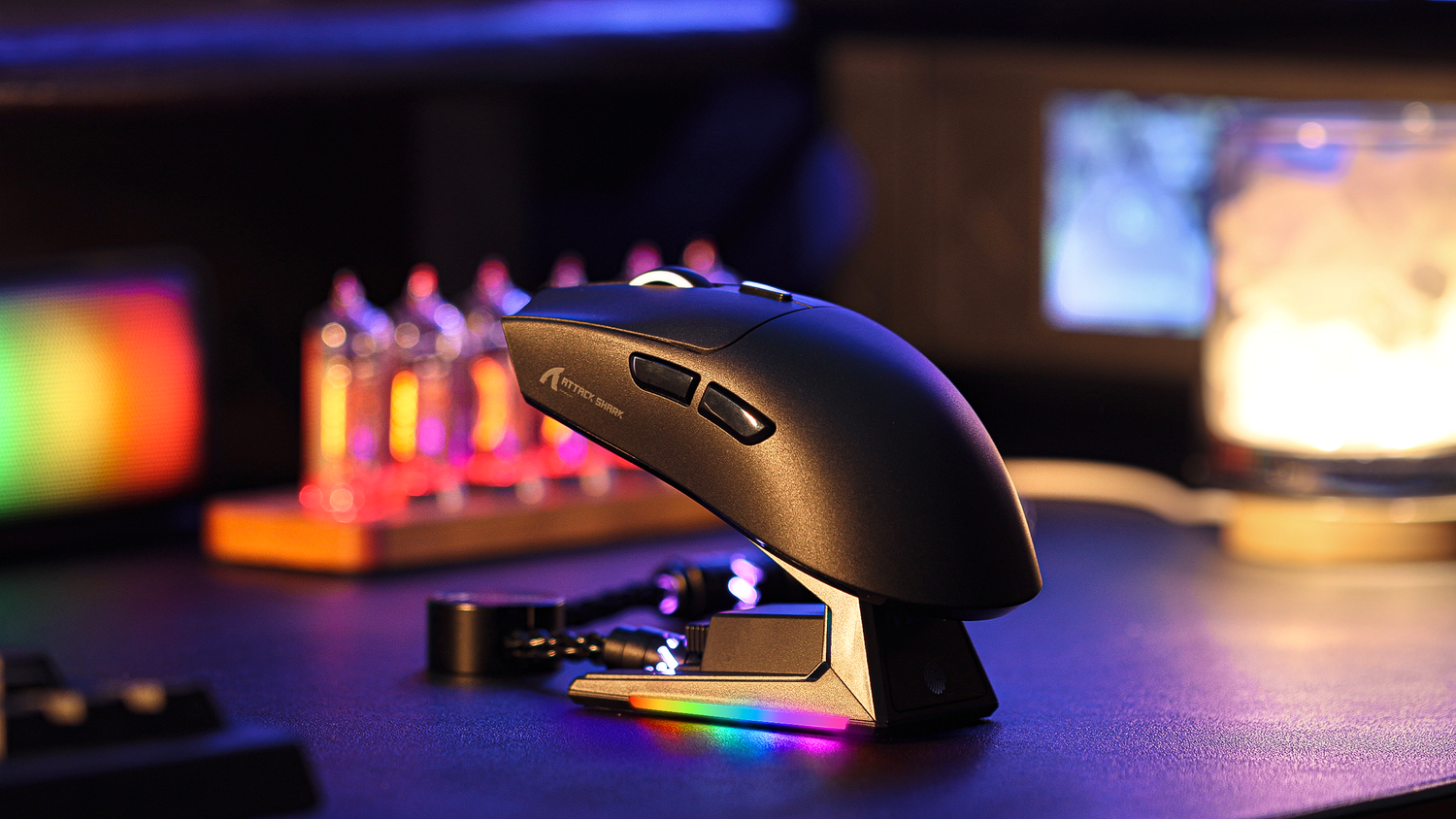
Magnesium alloy has emerged as the gold standard for ultra-lightweight gaming peripherals, offering a strength-to-weight ratio that traditional polymers cannot match. However, the move to metallic shells introduces a complex biochemical challenge: the interaction between the human hand and the mouse surface. For competitive gamers, palm sweat is not merely a grip issue; it is a chemically aggressive electrolyte capable of degrading premium coatings over time.
Preventing coating erosion requires a deep understanding of how organic acids, humidity, and mechanical wear converge to compromise the structural integrity of the mouse finish. This guide examines the mechanisms of magnesium corrosion and provides a technical framework for maintaining the aesthetic and tactile performance of high-end magnesium mice.
The Biochemistry of Palm Sweat and Magnesium Interaction
Human sweat is a complex solution primarily composed of water, but it contains critical solutes that act as corrosive agents. The pH of palm sweat typically ranges from 4.5 to 7.0, making it mildly acidic. It contains electrolytes such as sodium chloride (NaCl), potassium, and calcium, alongside organic components like lactic acid, urea, and uric acid.
When these components settle on a magnesium alloy surface, they initiate a process known as pitting corrosion. Unlike aluminum, which forms a stable, self-healing oxide layer, magnesium's natural oxide (MgO) or hydroxide (Mg(OH)2) layers are porous and less stable in acidic or chloride-rich environments. According to research published in MDPI Materials, solutions simulating body fluids—containing phosphates and organic components—often cause more severe failure modes in magnesium than simple salt spray tests. This indicates that traditional industry testing, such as the ASTM B117 salt spray test, may underestimate the long-term impact of daily human contact.
Table 1: Chemical Components of Sweat and Their Impact on Magnesium Coatings
| Component | Concentration (Typical) | Impact on Surface Coating |
|---|---|---|
| Lactic Acid | 10–40 mmol/L | Lowers pH; accelerates the breakdown of protective polymer topcoats. |
| Chloride (NaCl) | 10–80 mmol/L | Breaks down passive oxide layers; initiates pitting in the metal substrate. |
| Urea/Uric Acid | Trace to 5 mmol/L | Can act as a chelating agent, potentially weakening the bond between coating layers. |
| Lipids/Oils | Variable | Attracts dust and debris, creating an abrasive paste during movement. |
The Coating Paradox: Anodizing vs. Practical Durability
To protect the reactive magnesium substrate, manufacturers typically employ one of two primary methods: Anodizing or Physical Vapor Deposition (PVD). While these coatings are designed to be resilient, they possess inherent vulnerabilities.
Anodizing involves creating a controlled oxide layer through an electrochemical process. However, a technical "gotcha" exists in the manufacturing phase: the high-pH environment (>9.5) required for optimal magnesium anodizing can create micro-cracks in the coating. These microscopic fissures become preferential pathways for sweat to infiltrate and reach the magnesium alloy.
PVD coatings, often used for metallic or "starlight" finishes, offer superior hardness but can be susceptible to delamination if the base adhesion layer is compromised by chemical infiltration. As noted in the Global Gaming Peripherals Industry Whitepaper (2026), the industry is shifting toward composite systems—a hard, wear-resistant top layer over a sealed, pore-free conversion layer—to address the dual threats of chemical erosion and mechanical abrasion.

Identifying Early Signs of Coating Failure
Maintenance is most effective when initiated before visible "chipping" occurs. Users should monitor their devices for the following sensory changes:
- Texture Shift: The original matte or smooth finish develops a slightly sticky or tacky feel. This is often the first sign that organic acids are breaking down the hydrophobic top layer.
- Discoloration: Faint yellowing or darkening in high-contact areas (the main buttons and thumb rest) indicates localized chemical concentration.
- Loss of Hydrophobicity: Water or sweat no longer beads on the surface but instead "sheets" or clings to the shell.
The Two-Step Cleaning Protocol: A Technical Standard
A common mistake among gamers is the use of 70% isopropyl alcohol wipes. While effective for sanitization, alcohol is a powerful solvent that can strip the very hydrophobic coatings intended to protect the magnesium. Instead, we recommend a two-step protocol designed to neutralize acids without compromising the finish.
Step 1: Dry Microfiber De-salting
After every gaming session, use a clean, dry microfiber cloth to wipe down the mouse. This mechanical action removes the bulk of the salts and oils before they have time to permeate the coating pores. Focus on the "thumb rest" and main click zones, as these erode fastest due to constant pressure and heat.
Step 2: Distilled Water Neutralization
Once a week (or more frequently for high-intensity users), use a cloth barely dampened with distilled water. Distilled water is essential because tap water often contains minerals (chlorine, calcium) that can leave behind residues or contribute to galvanic corrosion. This step removes stubborn uric acid and urea deposits that dry microfiber cannot reach.
Advanced Protection and Wear Mitigation
For users who invest in high-performance gear like magnesium mice, supplementary protection can dramatically extend the product's lifespan.
1. Protective Films and Grip Tapes
Applying a thin, clear liquid screen protector film (the type designed for smartphones) to the main click areas before wear appears can act as a sacrificial barrier. This film takes the chemical and mechanical brunt of the palm contact, leaving the original coating pristine. Alternatively, high-quality grip tapes provide a physical barrier, though they may alter the tactile feel of the magnesium.
2. Environmental Control
In climates where ambient humidity exceeds 60% relative humidity (RH), magnesium is at higher risk of condensation-related corrosion. Storing the mouse overnight in a sealed container with a desiccant pack can prevent moisture from settling into micro-cracks in the coating.
3. Peripheral Synergy
The choice of mousepad also affects coating longevity. A textured or abrasive surface can create micro-scratches on the bottom edges of the mouse shell, providing an entry point for sweat. Using a high-quality surface like the ATTACK SHARK CM04 Genuine Carbon Fiber eSport Gaming Mousepad provides a consistent, low-friction environment. Furthermore, the ATTACK SHARK CM02 eSport Gaming Mousepad features a 5S water and stain resistance coating, which helps keep the overall desk environment dry and free from corrosive residues.
System Stability and Longevity
While maintaining the exterior is critical, the internal performance of a magnesium mouse often relies on high-speed data transmission. To ensure the electronics remain as robust as the shell, using a high-quality connection like the ATTACK SHARK C06 Coiled Cable For Mouse ensures stable data sync and charging. The metal aviator connectors on the C06 provide superior resistance to oxidation, mirroring the durability goals of the magnesium shell itself.
For those concerned about the ergonomic impact of long sessions, which can increase sweat production due to muscle tension, the ATTACK SHARK Cloud Keyboard Wrist Rest can help maintain a more relaxed hand posture. By reducing the pressure and heat buildup at the wrist, users may see a secondary benefit in reduced localized sweating.
Technical Comparison of Maintenance Methods
| Method | Effectiveness against Acids | Risk to Coating | Recommended Frequency |
|---|---|---|---|
| Dry Microfiber | Moderate (Removes salts) | Zero | Daily |
| Distilled Water | High (Neutralizes acids) | Zero | Weekly |
| Isopropyl Alcohol | Very High (Sanitizes) | High (Solvent damage) | Rare/Avoid |
| Desiccant Storage | High (Moisture removal) | Zero | Daily (High Humidity) |
Scenario Analysis: Maintenance for Different User Profiles
Scenario A: The High-Intensity Esports Player Players in this category often experience significant palm sweat during high-stakes matches. For these users, the primary threat is the rapid accumulation of lactic acid.
- Strategy: Immediate dry wipe after every match and the application of sacrificial protective films to the left and right click buttons.
- Benefit: Prevents the "sticky" texture shift that occurs when organic acids begin to dissolve the topcoat.
Scenario B: The Tropical/Humid Climate User In regions with high humidity, the threat is not just sweat but atmospheric moisture.
- Strategy: Combined two-step cleaning with overnight desiccant storage.
- Benefit: Prevents "under-film" corrosion where moisture gets trapped between the coating and the metal substrate, which can lead to bubbling or large-scale delamination.
Precision Performance and Electrical Integrity
When discussing high-specification mice, it is important to remember that physical maintenance supports technical performance. A degraded coating can eventually lead to moisture ingress near the sensor or switches. As noted in the NVIDIA Reflex Analyzer Setup Guide, maintaining a clean, consistent interface between the user and the device is essential for minimizing system latency.
For mice utilizing an 8000Hz (8K) polling rate, the margin for error is slim. An 8K rate provides a near-instant 0.125ms polling interval. To fully realize this performance, the system must be free from physical impediments. A pitted or corroded surface can subtly alter a user's grip consistency, impacting the micro-adjustments required to saturate the 8000Hz bandwidth (which requires approximately 10 IPS at 800 DPI to maintain stability).
Summary of Expert Recommendations
To preserve your investment in magnesium alloy hardware, adopt a proactive rather than reactive stance. The single most effective action is the removal of sweat residues before they can concentrate. By avoiding harsh solvents like alcohol and utilizing distilled water for neutralization, you maintain the hydrophobic integrity of the shell.
Furthermore, integrating protective accessories and maintaining a dry gaming environment ensures that the magnesium remains a performance asset rather than a maintenance liability. As magnesium continues to dominate the high-end market, these protocols will remain the benchmark for peripheral longevity.
YMYL Disclaimer: This article provides information regarding the maintenance of consumer electronics and general ergonomic practices. It is for informational purposes only and does not constitute professional medical advice. Individuals with skin sensitivities or pre-existing hand conditions should consult a dermatologist or healthcare professional regarding prolonged contact with specific metal alloys or cleaning agents.

Laisser un commentaire
Ce site est protégé par hCaptcha, et la Politique de confidentialité et les Conditions de service de hCaptcha s’appliquent.