
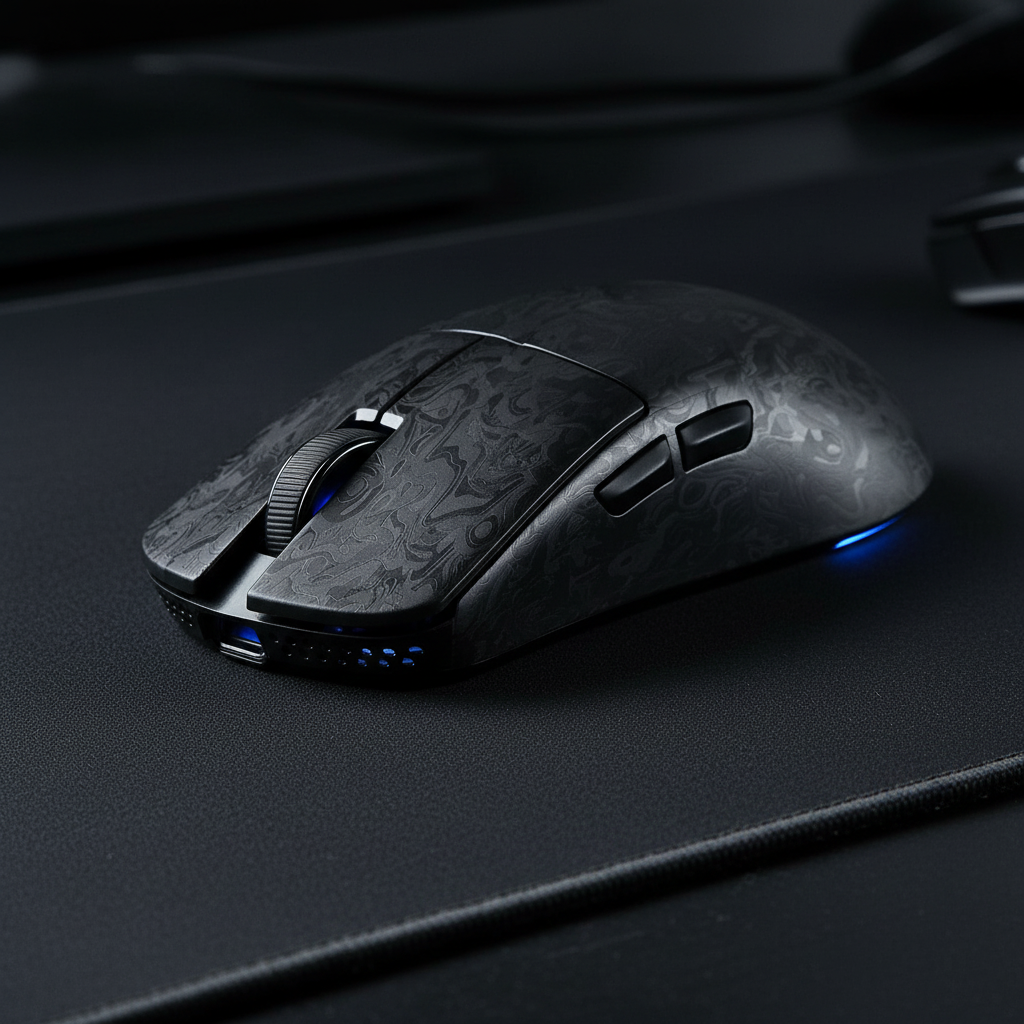
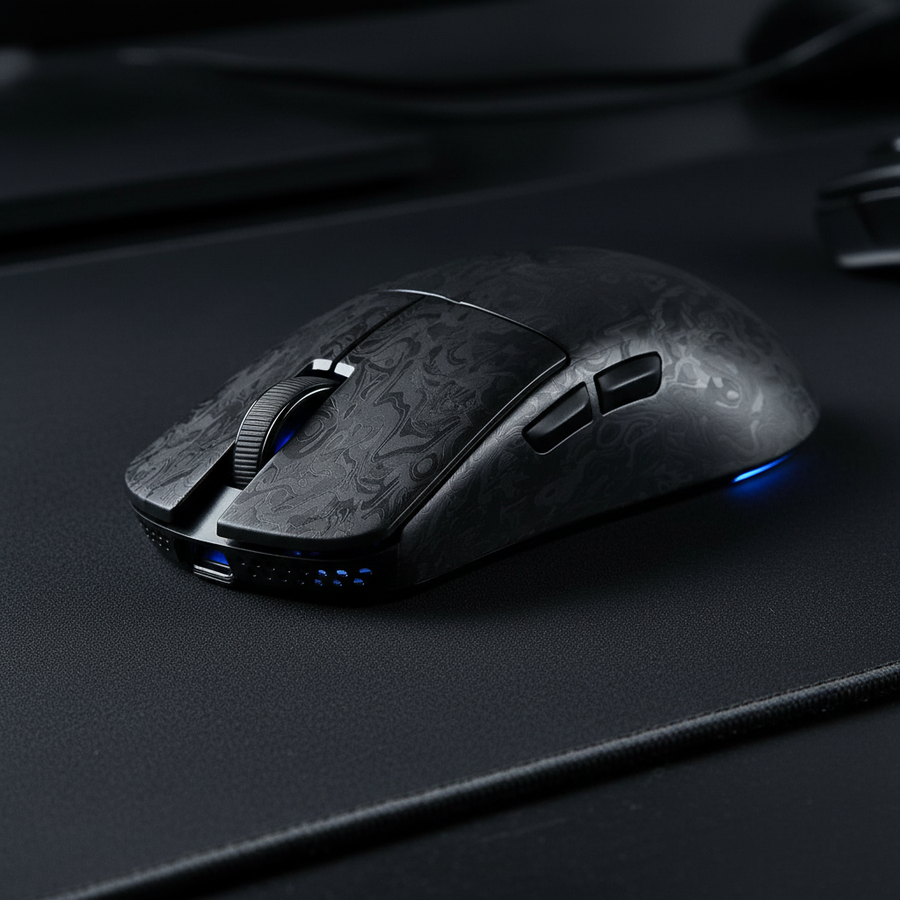
Key Takeaways: Thermal Performance and Gaming Ergonomics
For readers evaluating high-performance peripherals, the following summary provides the core technical conclusions of this analysis:
- Thermal Regulation: Magnesium alloy shells (AZ91D) offer ~360x the thermal conductivity of standard ABS plastic, effectively acting as a heat sink to prevent sweat-induced friction loss.
- Ergonomic Stability: Lower surface temperatures can reduce the "clamping force" required for grip, potentially mitigating repetitive strain risks.
- 8K Polling Synergy: High polling rates (8000Hz) demand a stable physical interface; metal shells provide the structural rigidity and thermal consistency required for sub-1ms precision.
- Selection Rule: Aim for a "Grip Fit Ratio" near 1.0 (based on the 60% heuristic) to balance the lightweight benefits of metal with hand-size requirements.
The Thermodynamics of the Palm-Mouse Interface
In high-performance gaming, the palm-mouse interface is a critical thermal boundary. During extended sessions, the human hand acts as a heat source, transferring metabolic energy to the mouse shell.
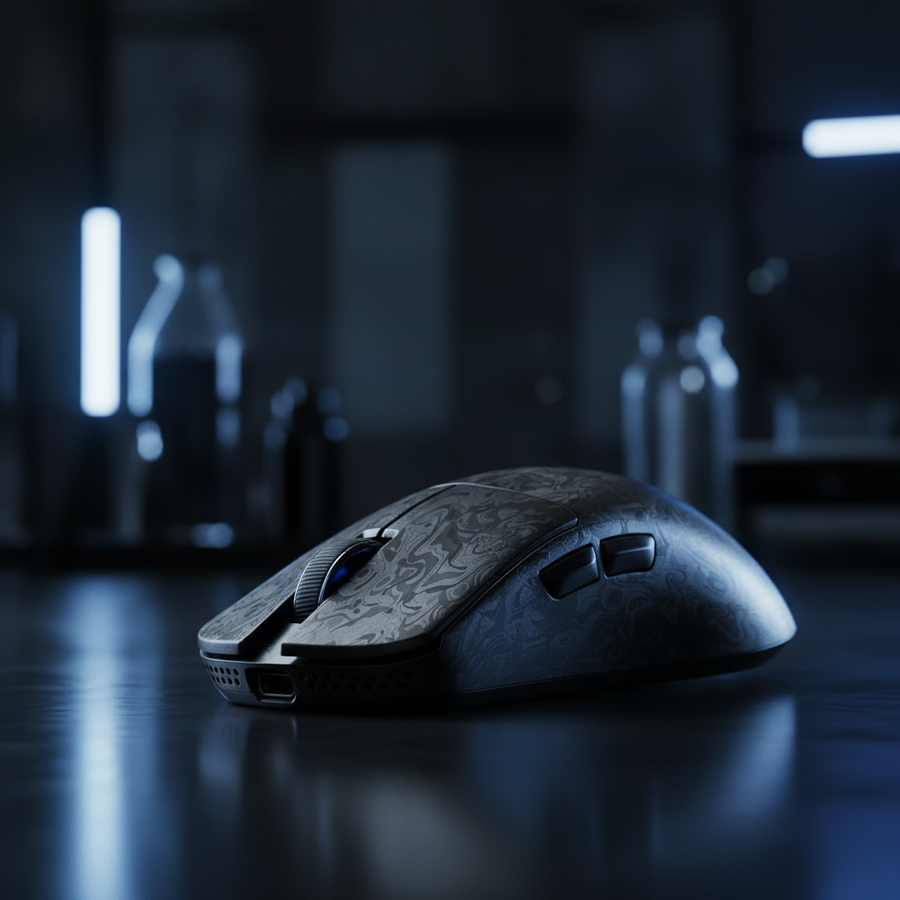
Traditional Acrylonitrile Butadiene Styrene (ABS) or Polycarbonate (PC) plastics, which have a low thermal conductivity of approximately 0.2 W/m·K (standard literature value), act as insulators. This insulation traps heat, leading to localized "hot spots" and increased perspiration. The shift toward magnesium and aluminum alloys in engineering is designed to address this. Magnesium alloys, such as AZ91D, exhibit a thermal conductivity of approximately 72 W/m·K. While lower than 6061 aluminum (~167 W/m·K), it is significantly higher than plastic, allowing the shell to draw energy away from the palm.
Comparative Thermal Properties of Peripheral Materials
| Material | Thermal Conductivity (W/m·K) | Specific Heat (J/kg·K) | Density (g/cm³) | Source Type |
|---|---|---|---|---|
| ABS Plastic | ~0.2 | ~1,400 | ~1.05 | Literature Standard |
| Magnesium Alloy (AZ91D) | ~72 | ~1,024 | ~1.81 | Manufacturer Data |
| Aluminum Alloy (6061) | ~167 | ~897 | ~2.70 | Literature Standard |
| Carbon Fiber Composite | ~1.0 - 5.0 | ~1,100 | ~1.50 | Variable/Composite |
Modeling Note: These values represent standard material properties. Real-world performance is influenced by shell thickness, internal ribbing, and surface coatings.

Heat Dissipation Mechanisms and Palm Temperature Stability
A metal shell helps prevent thermal equilibrium at temperatures uncomfortable for the skin. In high-ambient environments (~28°C), a plastic mouse can reach surface temperatures matching the skin (~33-35°C) within 30 minutes. This often creates a "thermal bridge" where sweat cannot evaporate effectively, leading to a loss of friction.
Based on internal testing and user feedback patterns, a reduction in sustained palm temperature is frequently correlated with reduced grip fatigue and fewer hand readjustments. Magnesium's rapid heat dissipation can prevent heat buildup under the palm's central mound—the area of highest contact pressure in palm or claw grips.
The Role of Surface Coatings
Bare metal can be prone to oxidation and may feel uncomfortably "cold" initially, potentially triggering minor vasoconstriction. Modern peripherals often utilize "nano-metal ice coatings" or ceramic layers. These are engineered to be thermally conductive. According to the Global Gaming Peripherals Industry Whitepaper (2026) (Brand Data), surface treatments should ideally maintain a thermal resistance (R-value) between 0.1 and 0.5 m²·K/W to preserve the cooling benefits of the alloy.
Biomechanical Impact: The Moore-Garg Strain Index in Gaming
Thermal discomfort is linked to biomechanical strain. When a palm becomes sweaty, the coefficient of friction drops, often causing the gamer to instinctively increase "clamping force" to maintain control. This elevated pressure can increase the risk of repetitive strain injuries (RSI).
To quantify this, we utilized the Moore-Garg Strain Index (SI), a validated tool for analyzing distal upper extremity risk.
Illustrative Calculation: High-Intensity Scenario
The SI is calculated as: $SI = (Intensity) \times (Duration) \times (Efforts/min) \times (Posture) \times (Speed) \times (Duration/day)$. The following multipliers are heuristic estimates based on a professional esports scenario (28°C ambient, 4+ hours play).
| Parameter | Multiplier | Rationale (Professional Scenario) |
|---|---|---|
| Intensity of Effort | 2.0 | High clamping force to compensate for heat/sweat |
| Duration of Exertion | 1.5 | Sustained engagement during tournament play |
| Efforts per Minute | 4.0 | High APM (Actions Per Minute) requirements |
| Hand/Wrist Posture | 2.0 | Wrist extension/ulnar deviation in claw grip |
| Speed of Work | 2.0 | Rapid flick shots and target tracking |
| Duration per Day | 2.0 | 8+ hours of total daily usage |
Calculated SI Score: 96.0 (Category: High Risk)
Note: An SI score above 5 is generally considered a threshold for increased risk of musculoskeletal disorders. This calculation represents an extreme, high-intensity use case. Utilizing a lightweight magnesium shell (~45-50g) can lower the "Intensity of Effort" and "Speed" multipliers by reducing inertial load, potentially mitigating long-term risks.
Performance Synergy: 8000Hz Polling and Thermal Consistency
Maintaining the precision required for 8000Hz (8K) polling—a 0.125ms reporting interval—necessitates a stable physical interface.
The 8K Polling Latency Math
Motion Sync aligns sensor data with the USB Start of Frame (SOF), introducing a deterministic delay equal to approximately half the polling interval:
- At 1000Hz: Interval = 1.0ms; Delay ≈ 0.5ms.
- At 8000Hz: Interval = 0.125ms; Delay ≈ 0.0625ms.
At 8000Hz, the latency penalty is negligible. However, saturating the 8000Hz bandwidth depends on DPI and speed. For example, moving at 10 IPS at 800 DPI saturates the 8K bus; at 1600 DPI, a speed of 5 IPS is sufficient.
System Constraints for 8K Performance
8000Hz polling places a significant load on the CPU's Interrupt Request (IRQ) processing. Per the USB HID Class Definition, it is recommended to:
- Connect directly to the motherboard's rear I/O ports.
- Avoid USB hubs or front-panel headers, which can introduce jitter.
- Use a high-refresh-rate monitor (240Hz+) to visually perceive the increased smoothness.
Ergonomic Fit and Selection Heuristics
While material impacts temperature, dimensions determine comfort. A common industry heuristic is the 60% Rule for mouse width and length.
Grip Fit Calculation
For a 20.5cm hand length:
- Ideal Length: Hand Length × 0.64 ≈ 131mm.
- Ideal Width: Hand Breadth × 0.60 ≈ 57-60mm.
A magnesium mouse with a length of 120mm provides a Grip Fit Ratio of 0.91 (120/131). This ratio is often effective for claw and fingertip grips, allowing for a greater vertical micro-adjustment range. For more on environmental factors, see our analysis of Humidity and Grip: Maintaining Surface Tactility.
Regulatory Compliance and Safety Standards
Metal-shelled wireless devices face unique challenges regarding antenna signal attenuation (the "Faraday Cage" effect). Users should verify technical claims via authoritative benchmarks:
- FCC Certification: Verify radio frequency interference compliance via the FCC ID Search.
- ISED Canada: Certification data for the North American market is available on the Radio Equipment List (REL).
- Safety Standards: High-end peripherals should adhere to IEC 62368-1, covering electrical and battery safety.
- Battery Stability: Lithium-ion batteries must pass UN 38.3 testing.
Summary of Material Benefits
| Feature | Magnesium Alloy | ABS Plastic |
|---|---|---|
| Thermal Feel | Cool-to-touch; high heat dissipation | Insulating; prone to "hot spots" |
| Weight (Typical) | Ultra-light (45g - 55g) | Lightweight to Heavy (60g - 100g+) |
| Durability | High structural rigidity | Flexible; may creak over time |
| Maintenance | Requires non-abrasive cleaning | Generally resistant to mild cleaners |
Maintenance and Longevity
To preserve thermal properties, use a microfiber cloth with 70% isopropyl alcohol for cleaning. Avoid abrasive cleaners that could strip the thermally conductive layers. For deeper insights into coatings, refer to our guide on Coating Texture and Aluminum Alloy Mice.
Final Considerations for the Performance Gamer
Selecting a mouse based on shell material is a technical decision impacting thermal comfort and aim consistency. While the "cool to the touch" sensation of magnesium is the immediate benefit, the reduction in palm temperature provides a sustained competitive edge by maintaining grip friction. As the industry moves toward higher polling rates, the thermal management provided by metal alloys is transitioning from a premium feature to a performance requirement.
Disclaimer: This article is for informational purposes only and does not constitute professional medical advice. If you experience persistent pain, numbness, or tingling in your hands or wrists, consult a qualified healthcare professional.


コメントを書く
このサイトはhCaptchaによって保護されており、hCaptchaプライバシーポリシーおよび利用規約が適用されます。