






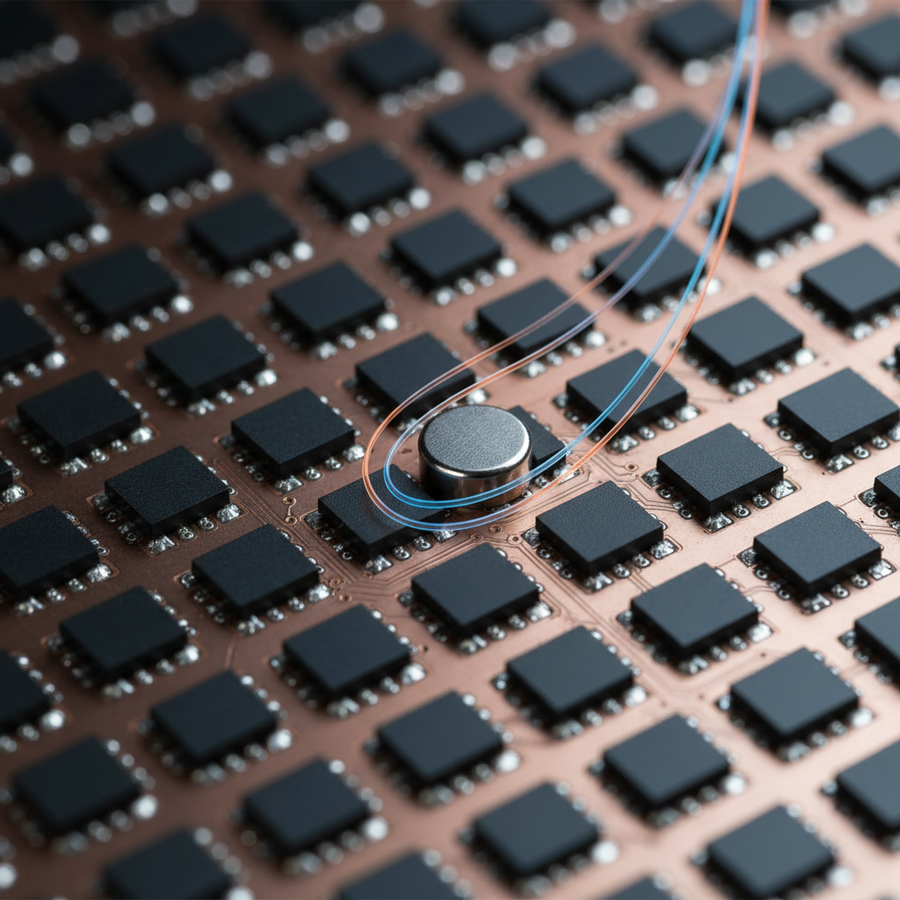
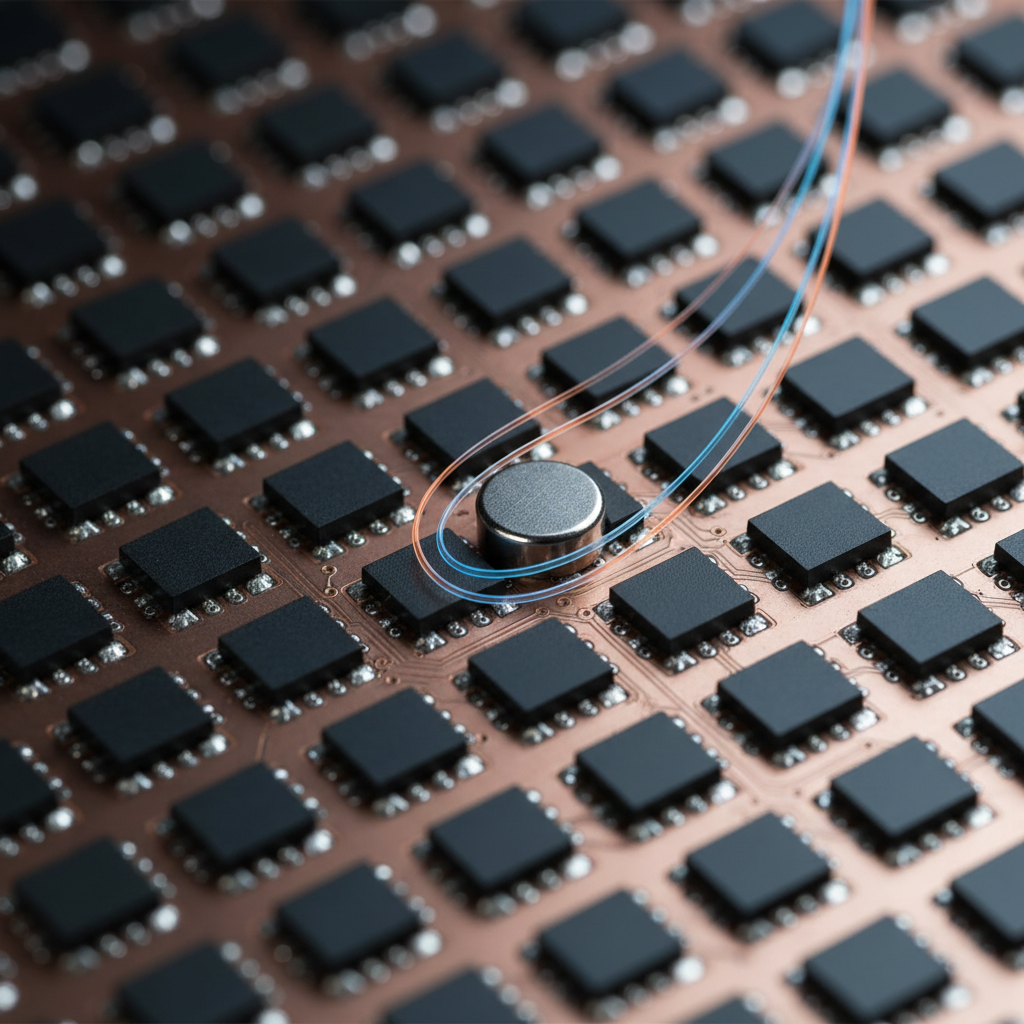
Solving Magnetic Interference in Hall Effect Keyboards
Covers EMI diagnostics, shielding materials, firmware algorithms, and compliance standards to fix phantom inputs and sensor drift.

Country
Language
Explore practical buying guides, setup ideas, and product tips from the latest articles.
Featured
Covers EMI diagnostics, shielding materials, firmware algorithms, and compliance standards to fix phantom inputs and sensor drift.
Covers the science of corrosion, 8000Hz thermal effects, and actionable maintenance steps like the 50/50 cleaning method and acclimatization.
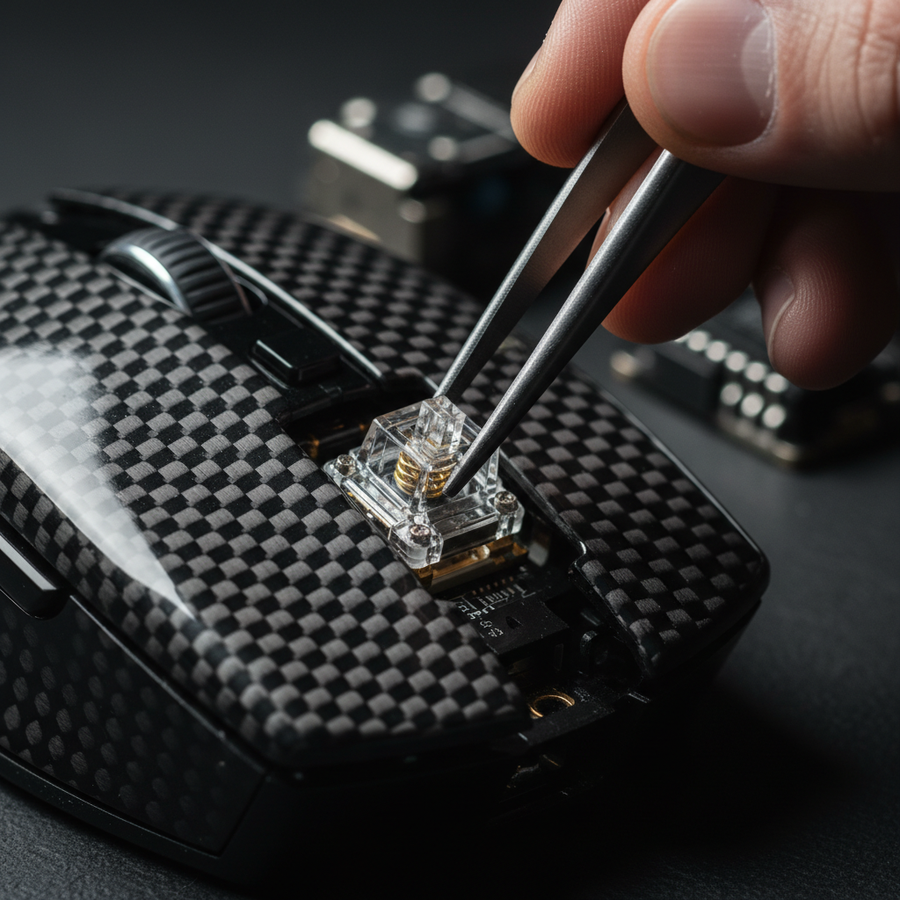
Covers switch housing materials, spring weights, frequency analysis, and practical modding techniques for optimizing acoustics in lightweight gamin...

Covers anodization standards, shiny spots, 8000Hz latency trade-offs, and biomechanical strain for long-lasting peripherals.
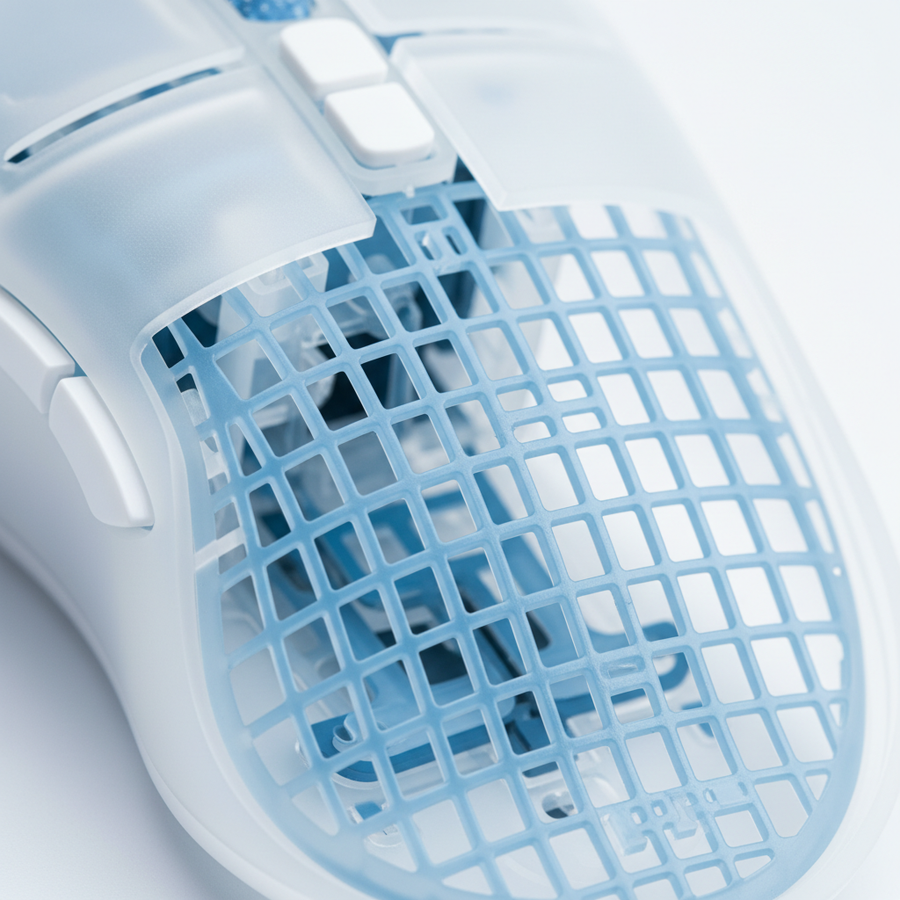
Examines rib thickness, spacing, materials like carbon fiber, and their impact on click acoustics, tracking fidelity, and 8K polling performance.
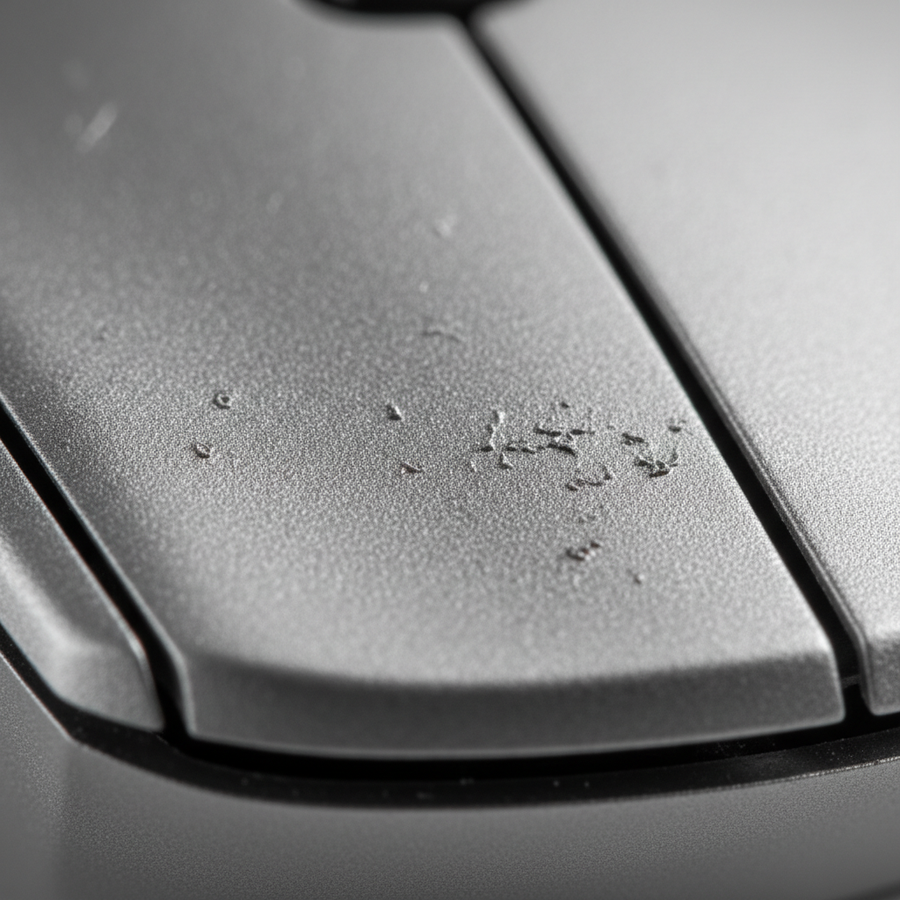
Covers materials science, CTE mismatch, the real impact of cleaning wipes, and validation tests like ASTM D3359 for coating durability.
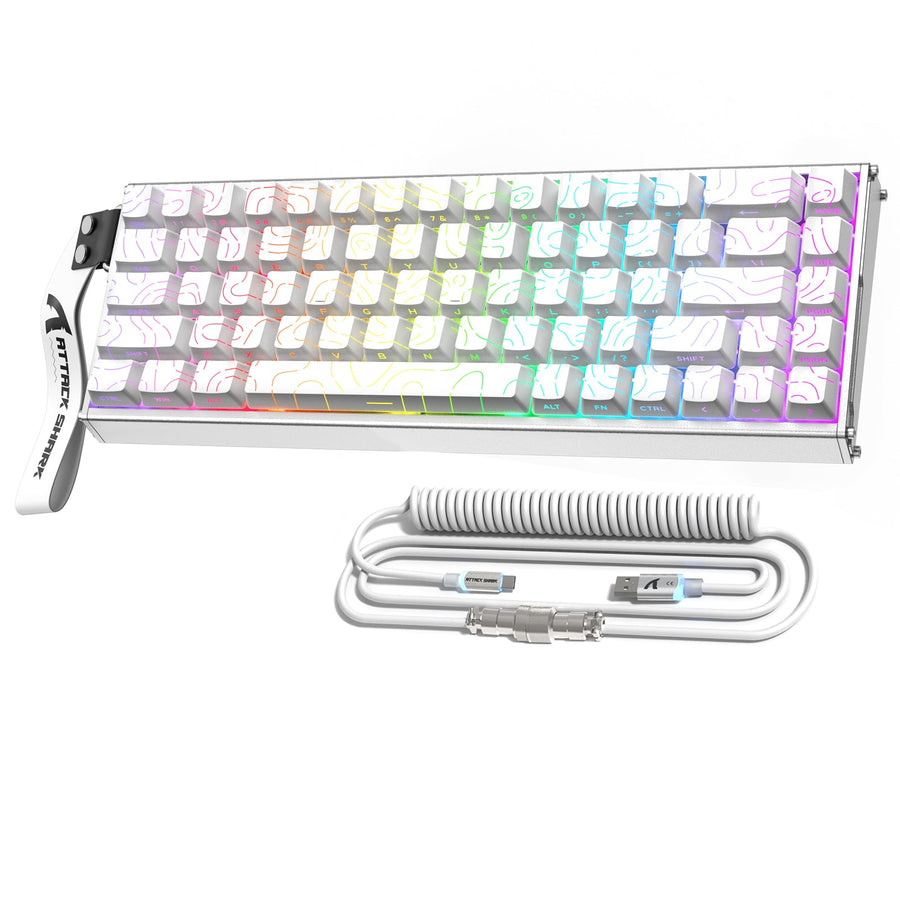
Covers the full process from 120-grit sanding to final buffing with Tripoli compound, plus tips on heat management and post-polish care.
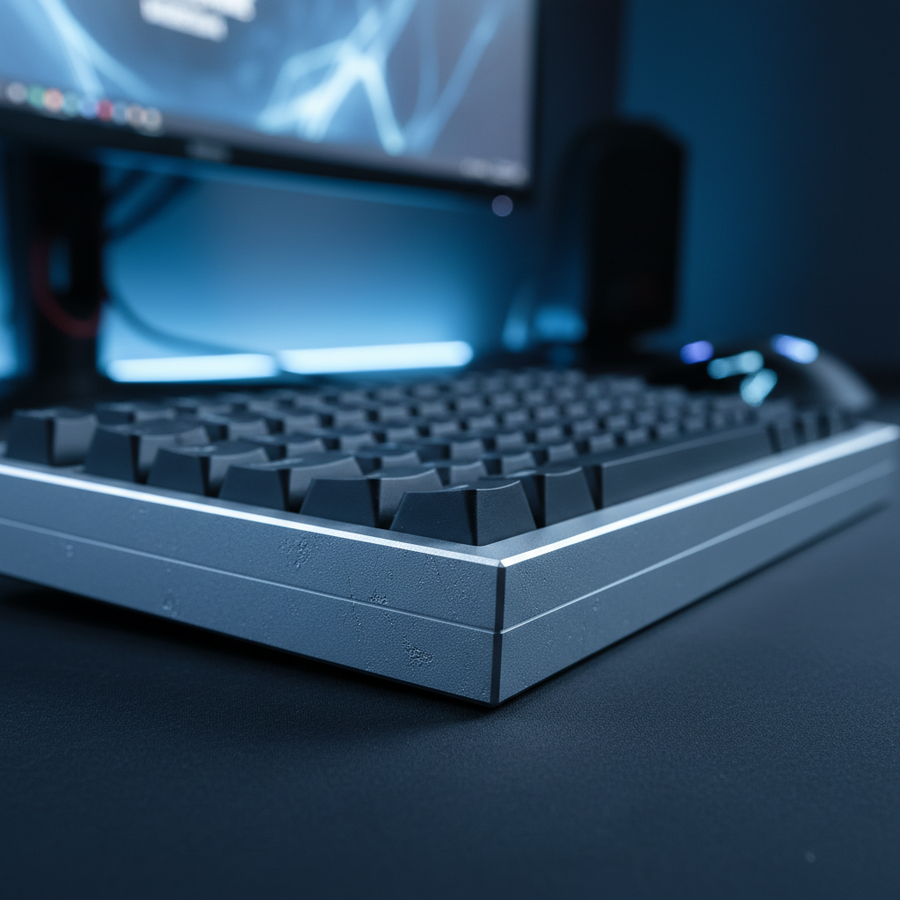
Covers the physics of thermal shock, PBT keycaps as insulation, RGB pre-warming, and structural benefits of aluminum for switch stability.
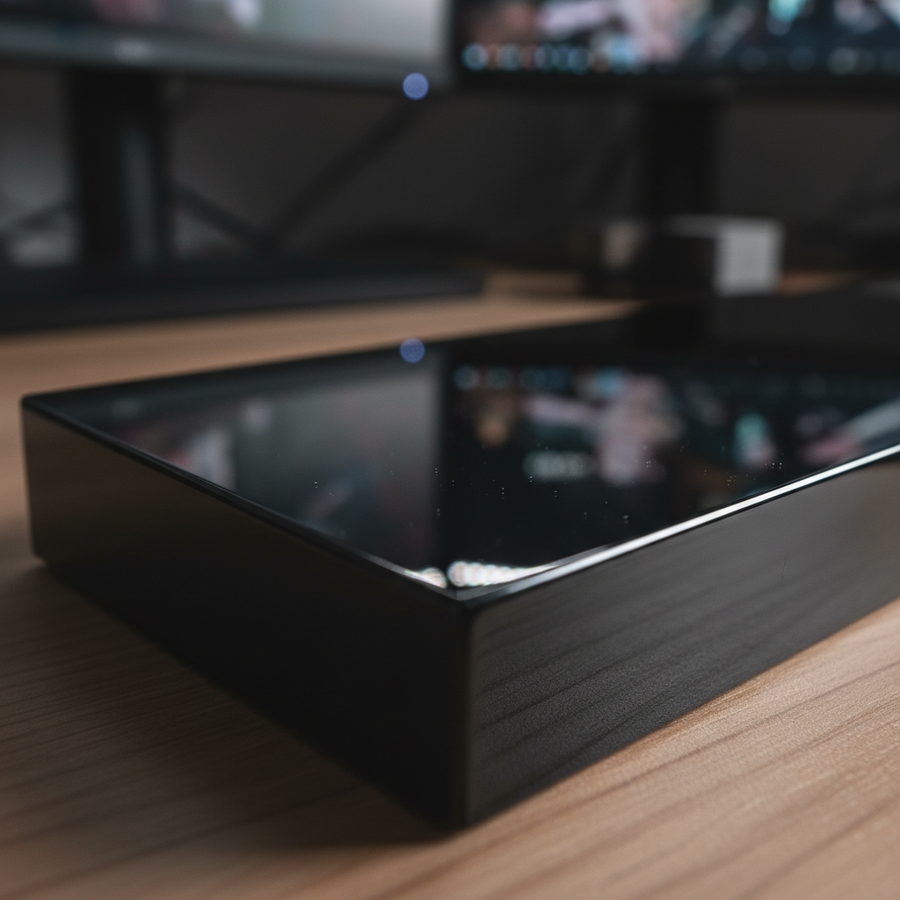
A guide to Physical Vapor Deposition (PVD) coating for high-gloss mirror finishes on mechanical keyboards. Explains the process, costs, and mainten...

Covers material physics, damping principles, and practical mod prioritization for builders seeking the highest acoustic return on investment.
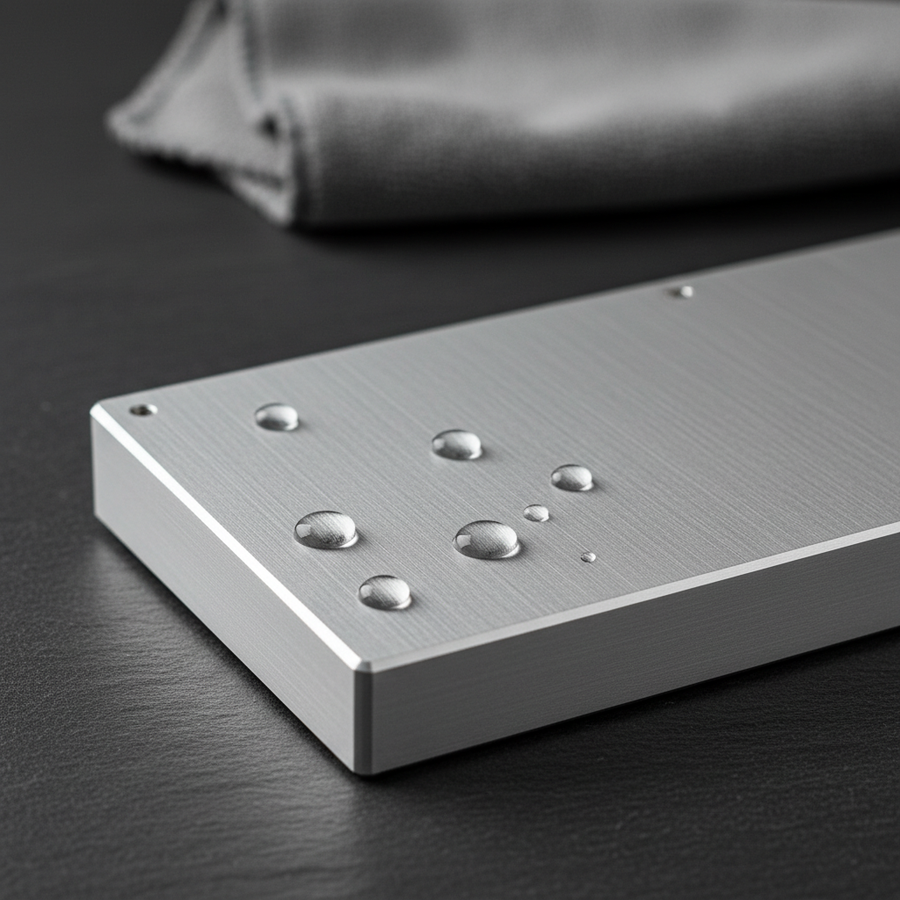
Covers anodization, galvanic corrosion, coastal effects, and professional cleaning with wax barriers for gaming hardware.

Covers UV stress, safe cleaning protocols, and preventive strategies for preserving E-coated keyboard finishes.
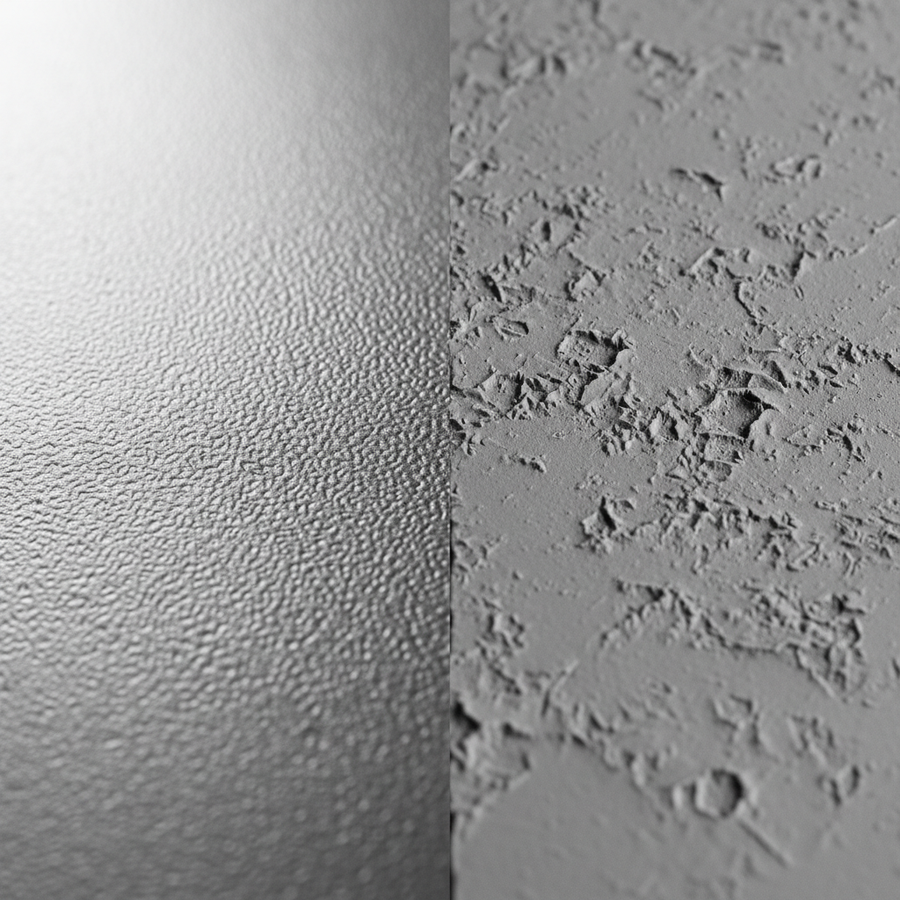
Compares bead and sandblasting for metal peripherals, covering texture impact on sound, ergonomics, and performance with data like strain index ana...
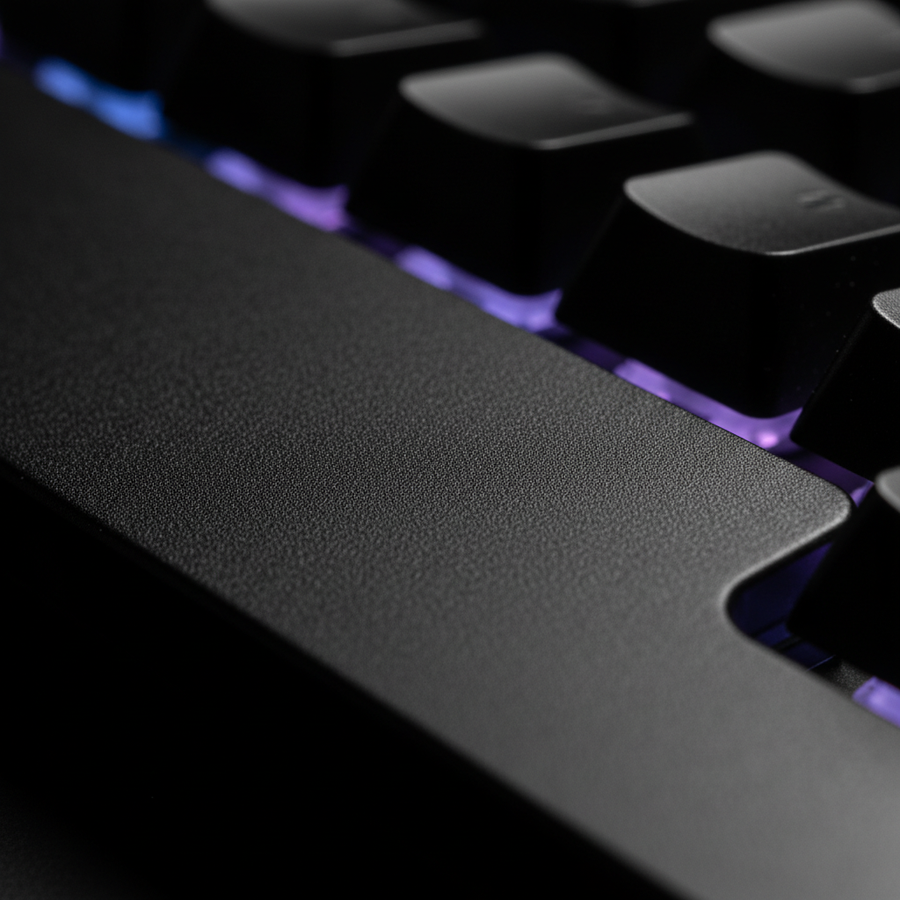
Covers Type III anodization, biomechanical grip analysis, Hazardous Strain Index scoring, and pairing with 8K polling hardware for stable performance.
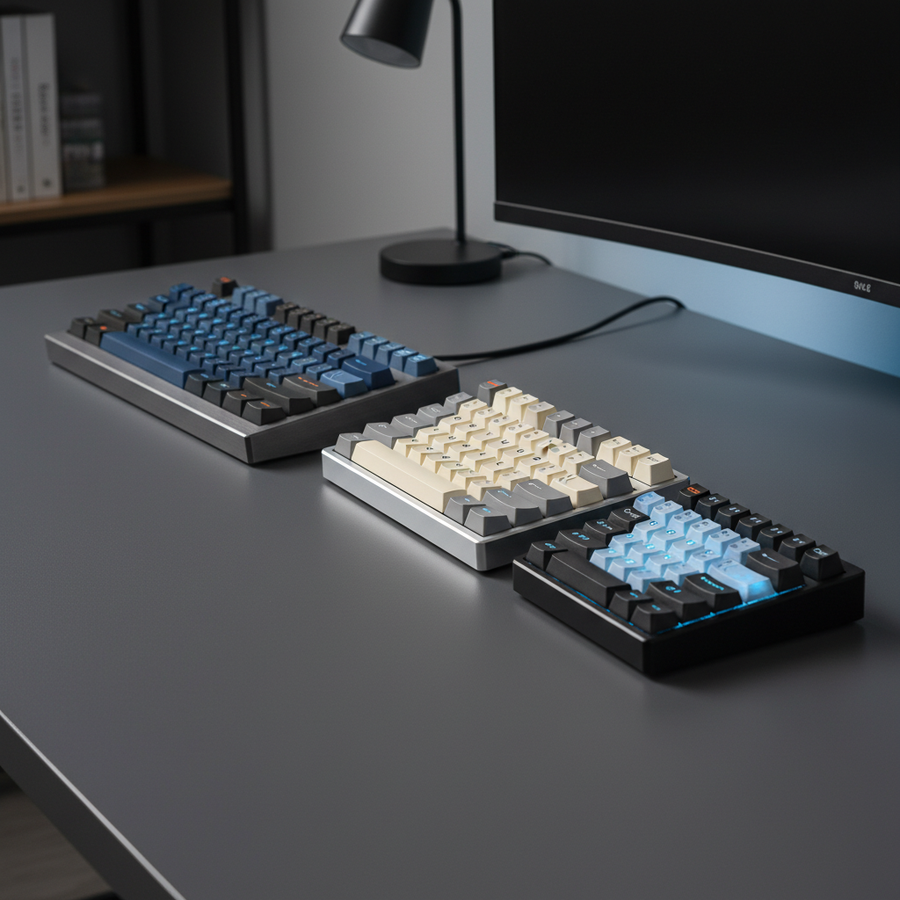
A guide comparing full-size to 60% keyboard layouts for better ergonomics and desk space. Learn about TKL, 75%, and 65% designs to reduce strain.
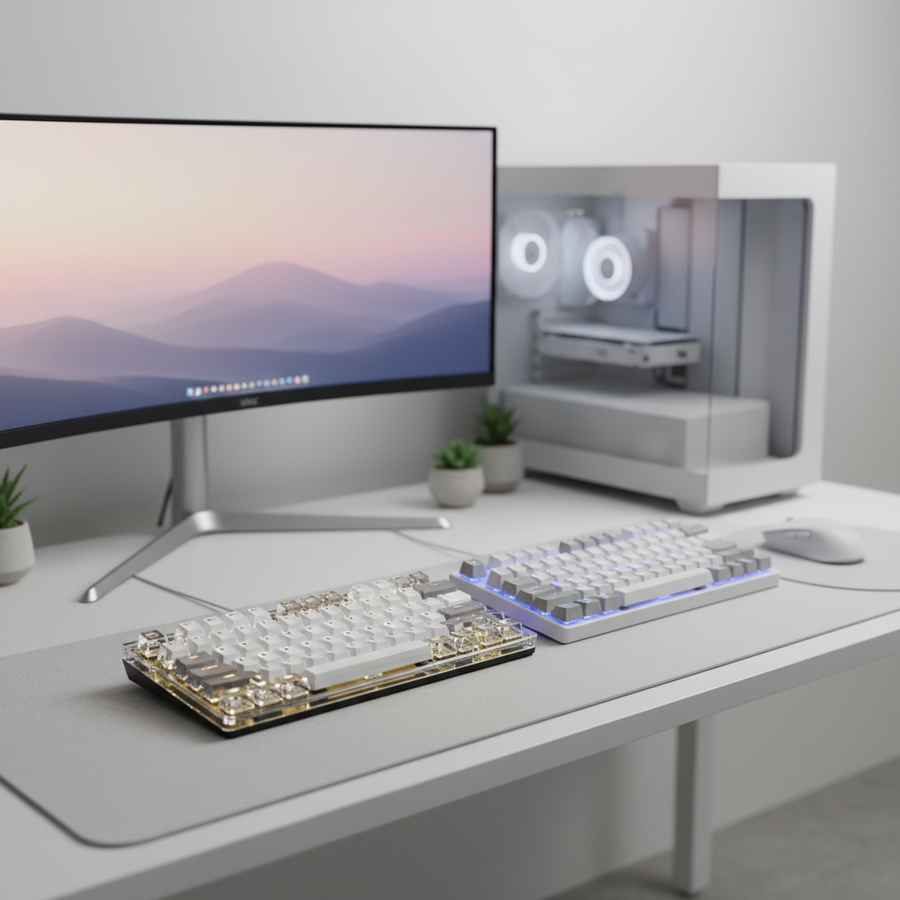
This guide compares technical specs like light diffusion and durability, plus includes a decision matrix for desk setups.


