
Attack Shark Mouse Polling Test

Current Rate 0Hz
Max Peak 0Hz
Average 0Hz
Median 0Hz
Minimum 0Hz
Polling Rate Stability
CLICK START BUTTON Move your mouse anywhere on the screen

How To Use

1. Start Testing

Click the START button to begin. This will activate the full-screen tracking mode. The button will become disabled while the test is running.

2. Move Your Mouse

Move your mouse continuously in circles or side-to-side. The faster and more consistent your movement, the more accurate the polling rate reading will be.

3. Analyze Graph

The blue line represents your real-time polling rate (Hz). A flat, stable line indicates a consistent sensor performance. Drops indicate instability.

4. Scale & Controls

Use the dropdown to set the Max Hz (e.g., 1000Hz or 4000Hz). Use PAUSE to freeze the data or RESET to clear all history.

FAQ & Knowledge

Mouse polling rate, measured in Hertz (Hz), indicates how often your mouse reports its position to the computer. A polling rate of 1000Hz means the mouse sends data 1000 times per second, resulting in a 1 millisecond (ms) delay between reports.
Yes, theoretically. 1000Hz has 1ms latency, while 8000Hz drops it to 0.125ms. This results in smoother cursor movement and faster reaction times. However, the difference is subtle and mostly noticeable on high refresh rate monitors (240Hz, 360Hz, or 540Hz).
It is normal for the polling rate to fluctuate. Mice optimize data transmission to save power. If you move the mouse slowly, it sends fewer updates. To test the maximum polling rate, you must move the mouse quickly and continuously.
Yes, it can. Higher polling rates (4K/8K Hz) require more frequent CPU interrupts to process mouse data. On older or weaker CPUs, this can lead to high CPU usage and frame rate drops in CPU-intensive games.
A stable graph shows a flat line near your target Hz (e.g., consistent 1000Hz) when moving quickly. Frequent deep drops (stuttering) or massive spikes indicate sensor instability, wireless interference, or USB port issues.
In the past, wired was faster. However, modern 2.4GHz wireless technologies (like Razer HyperSpeed or Logitech Lightspeed) perform almost identically to wired connections. Many premium wireless mice now also support stable 4000Hz polling.

Blog posts

View all
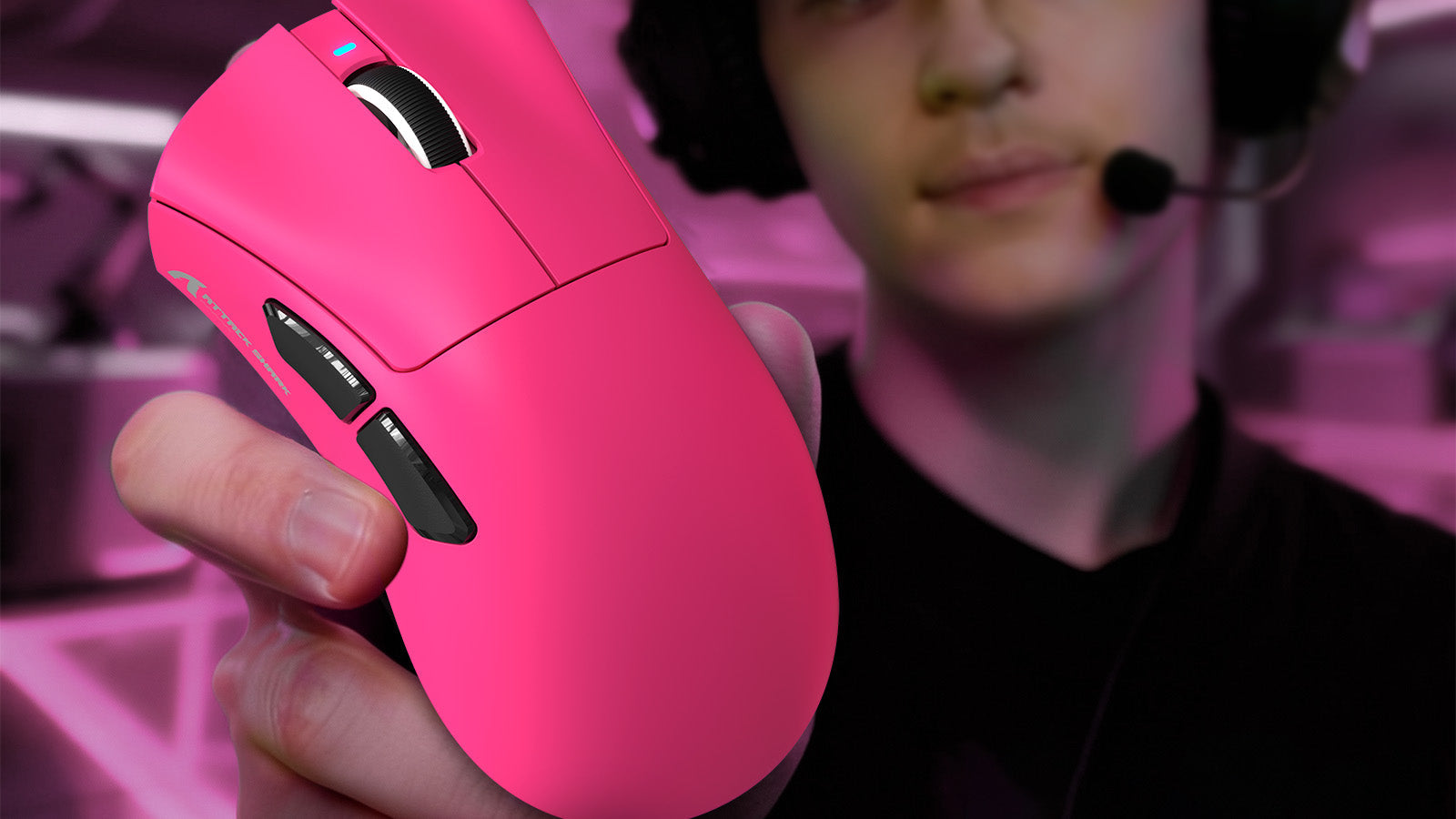
Esports gamer holding a bright pink wireless gaming mouse, showcasing its ergonomic design and side buttons.

Do You Still Need a Mouse Bungee in 2026 if You Use a Wired Mouse?

Practical fixes stop wired mouse cable drag with correct slack, secure routing, paracord cables, PTFE skates, and bungee alternatives.
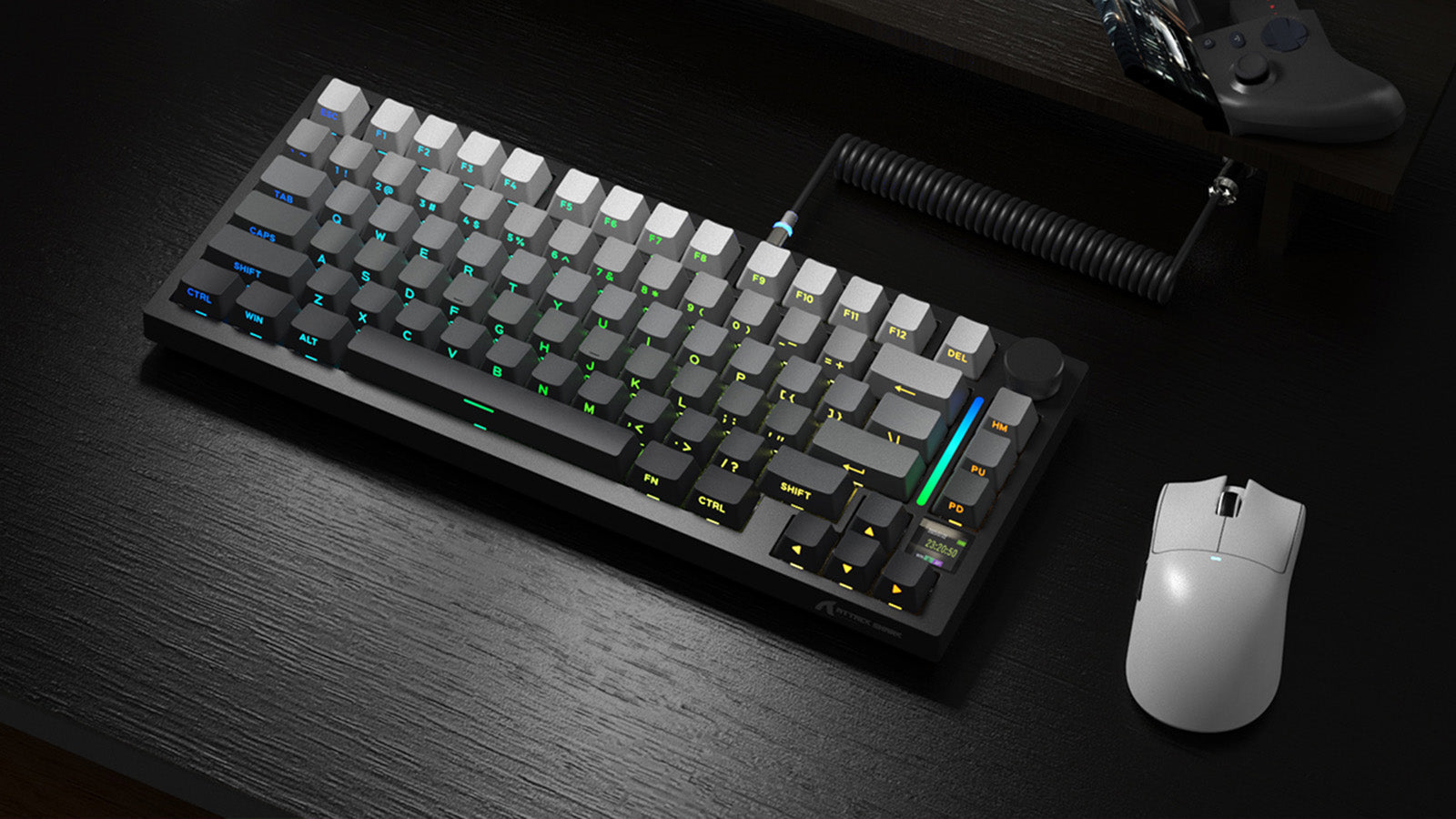
75% layout dark grey mechanical keyboard with grey and white keycaps, a rotary knob, and a coiled aviator cable, placed on a dark desk next to a white gaming mouse.

Low-Profile vs. Standard Mechanical Keyboards: Which is Better for Gaming and Typing?

Key points: shorter keyboard switch travel distance speeds inputs, low cases improve ergonomics, and standard boards add tactile control.
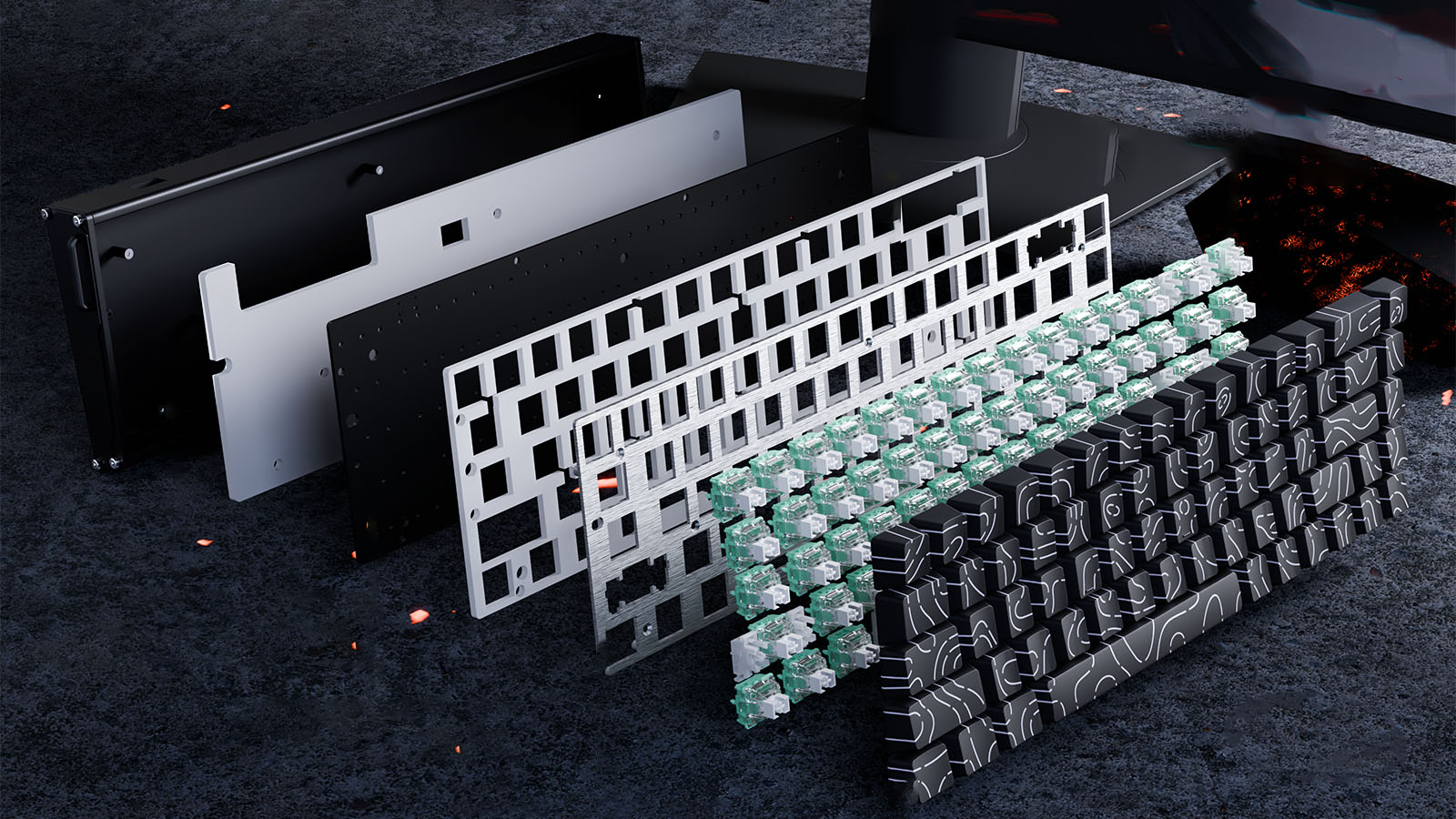
Exploded view of a mechanical keyboard showing the keycaps, switches, plate, foam layers, and case

Gasket Mount vs. Top Mount: Understanding Keyboard Mounting Styles

See how keyboard mounting styles affect acoustics, vibration, plate response, and comfort, with clear guidance for custom keyboard beginners.