


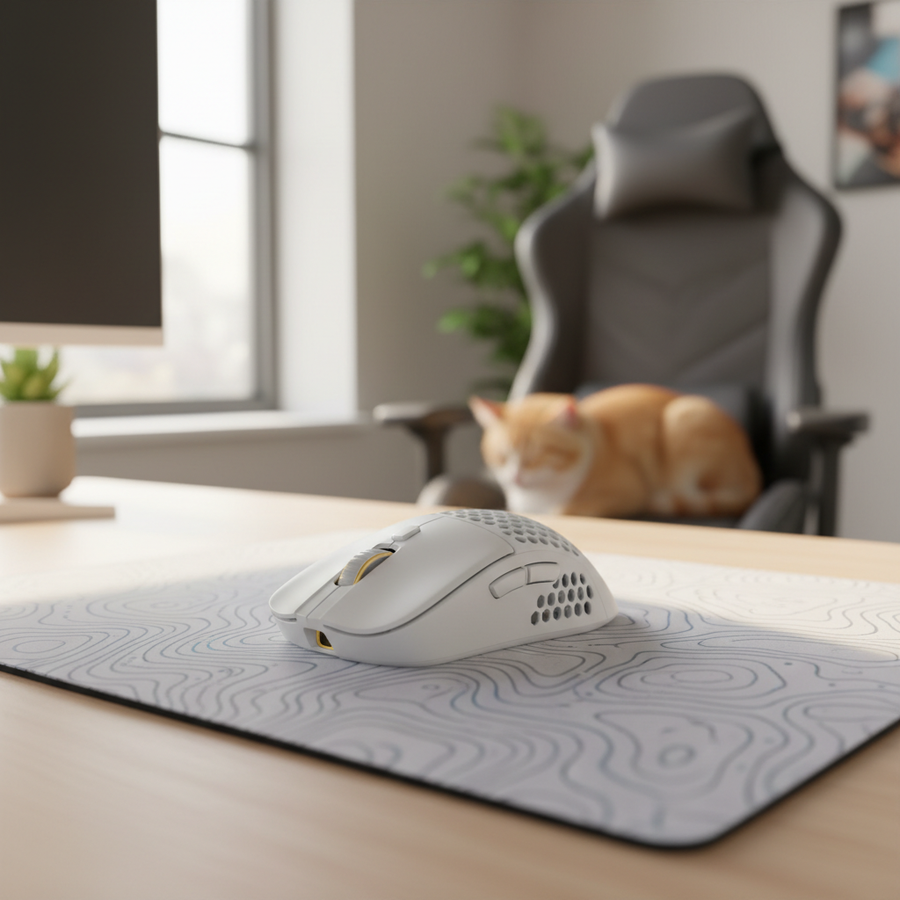
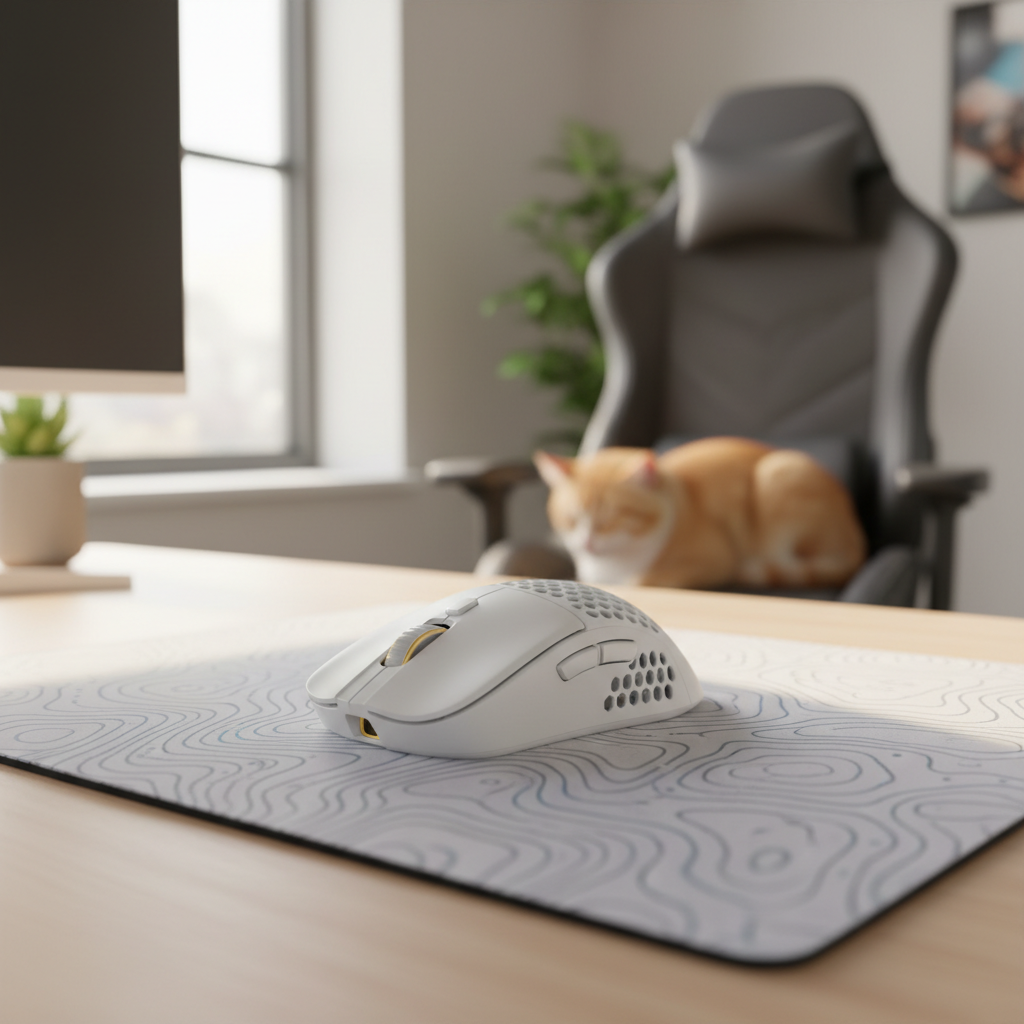
Dealing with Pet Hair: Keeping Mouse Sensors and Gaps Clear
Covers cleaning tools like electronic blowers and isopropyl alcohol, plus preventative strategies using hard pads and storage tape.

Country
Language
Explore practical buying guides, setup ideas, and product tips from the latest articles.
Featured
Covers cleaning tools like electronic blowers and isopropyl alcohol, plus preventative strategies using hard pads and storage tape.
A guide on safely cleaning gaming mice. Learn why chemicals can damage coatings and how UV-C light works, with a hybrid protocol for high-performan...
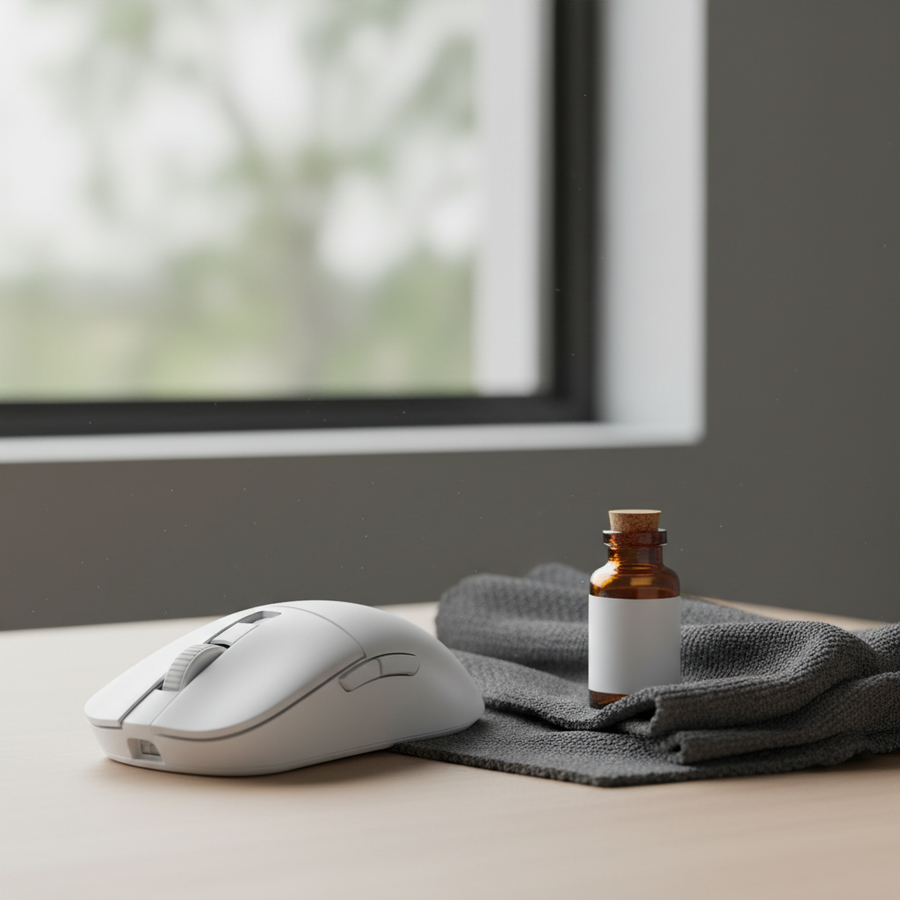
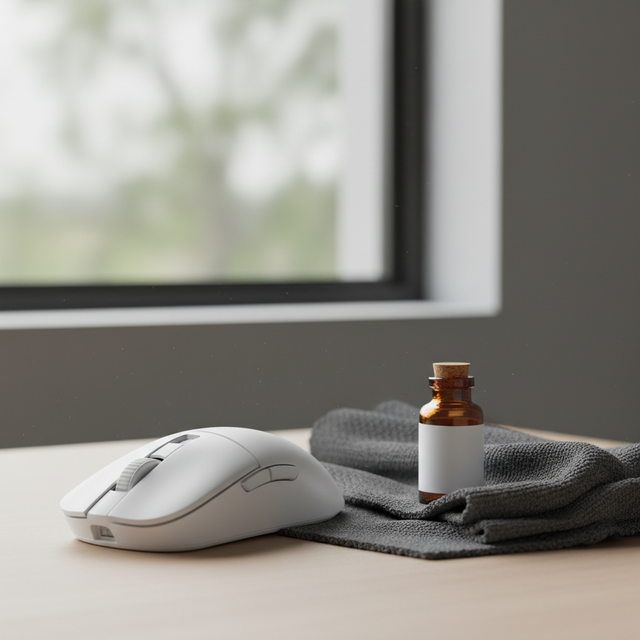
A definitive guide on cleaning gaming mice, comparing microfiber cloths and isopropyl alcohol to preserve matte coatings and sensor performance.
Covers system bottlenecks, DPI sweet spots, Motion Sync trade-offs, and wireless battery impact for achieving stable low-latency mouse performance.
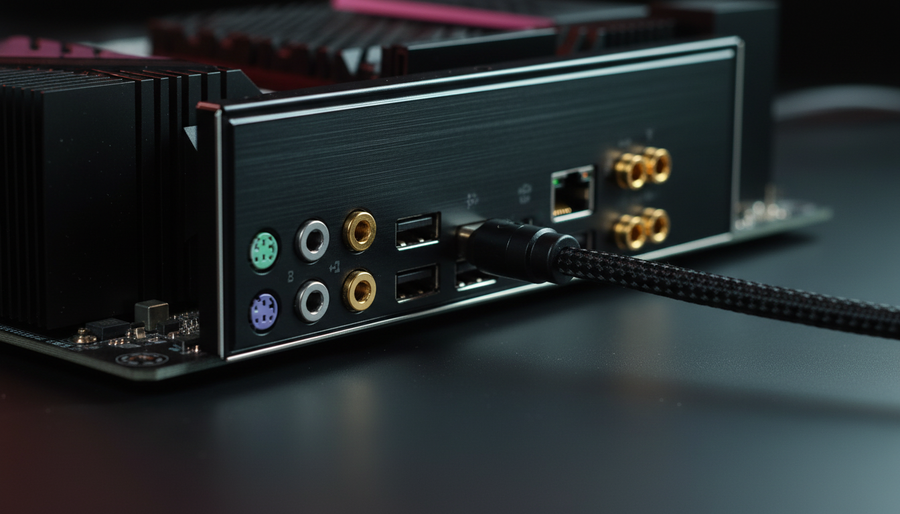
Explains USB topology requirements, IPS/DPI relationships, and system optimizations for competitive gaming with high-frequency peripherals.
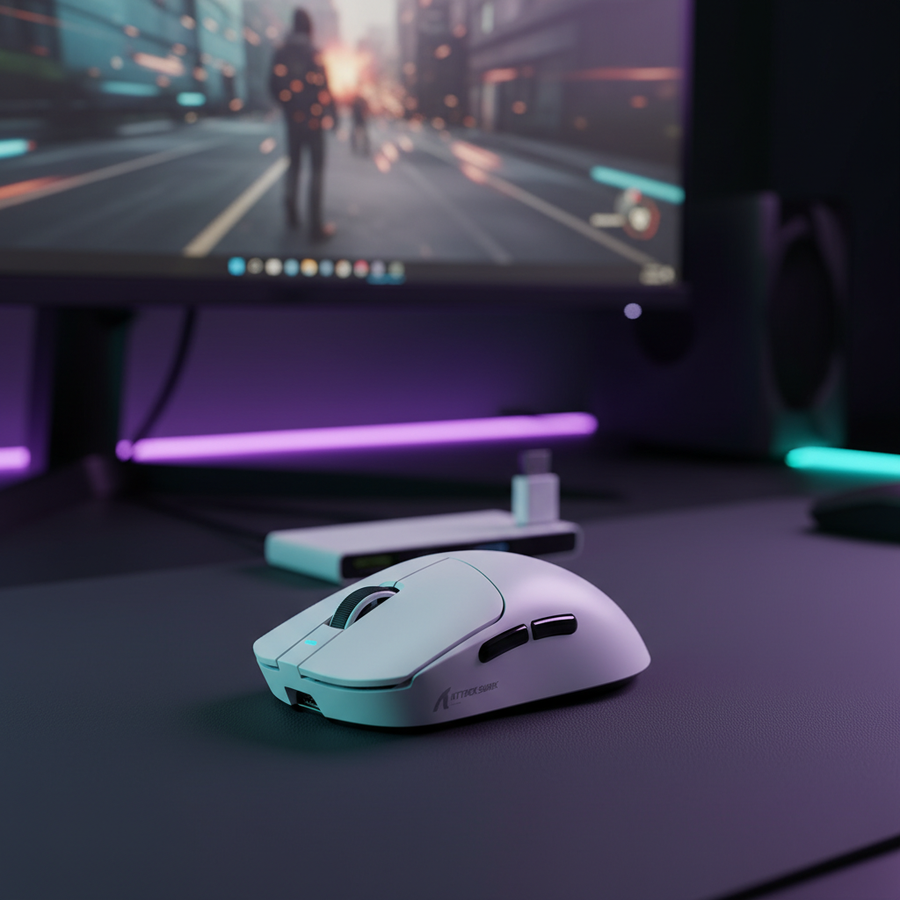
Covers IRQ handling, LatencyMon analysis, BIOS tweaks, and hardware bottlenecks for achieving stable 8K polling on value-oriented setups.
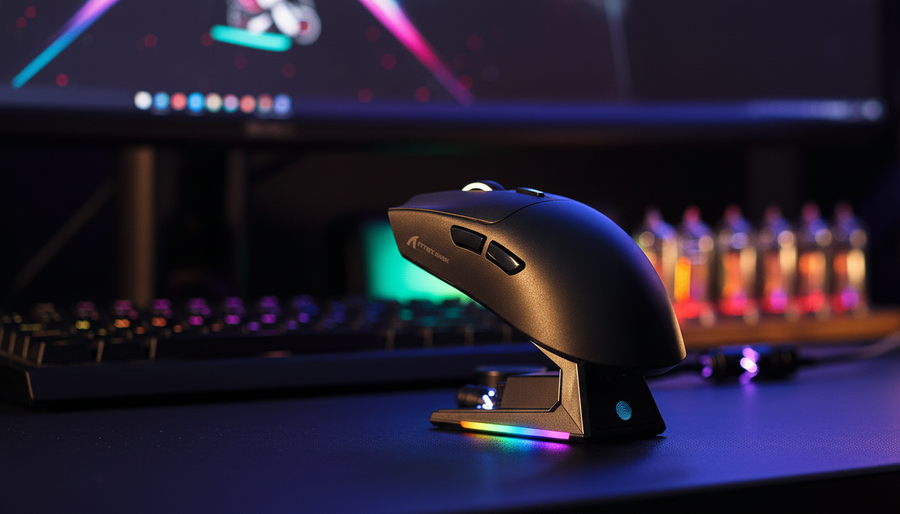
Covers technical reasons for battery drain, compares 1K vs. 8K runtimes, and details strategies like profile switching and low-friction surfaces.
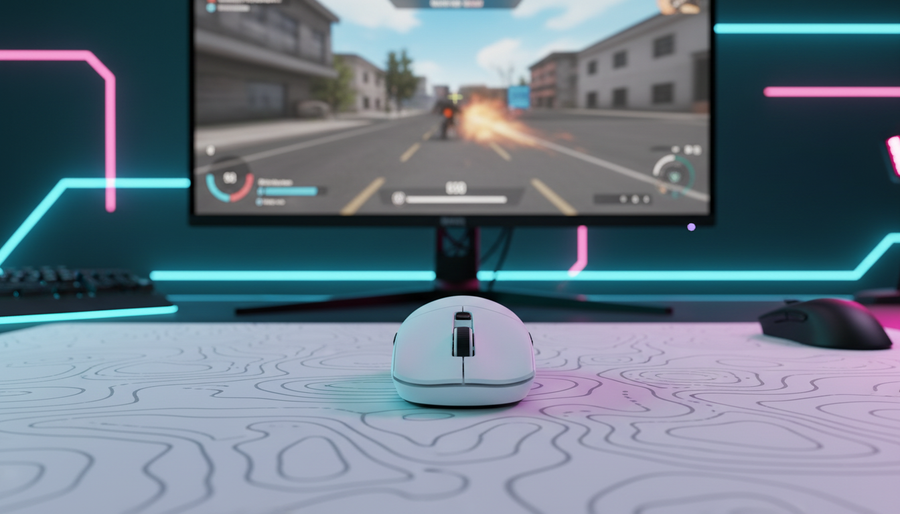
Covers the critical system requirements, including CPU IRQ processing and direct motherboard USB connections to avoid signal degradation. It provid...
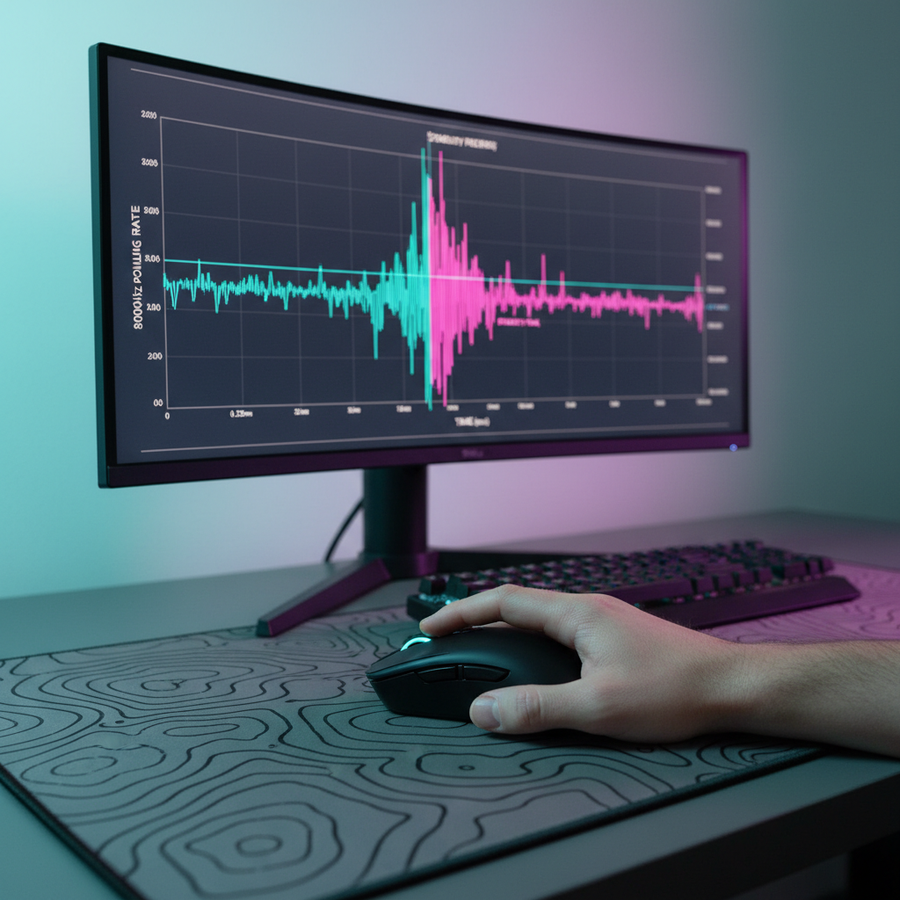
Covers jitter analysis, standard deviation, and system optimization steps like C-State tweaks to close the specification credibility gap.
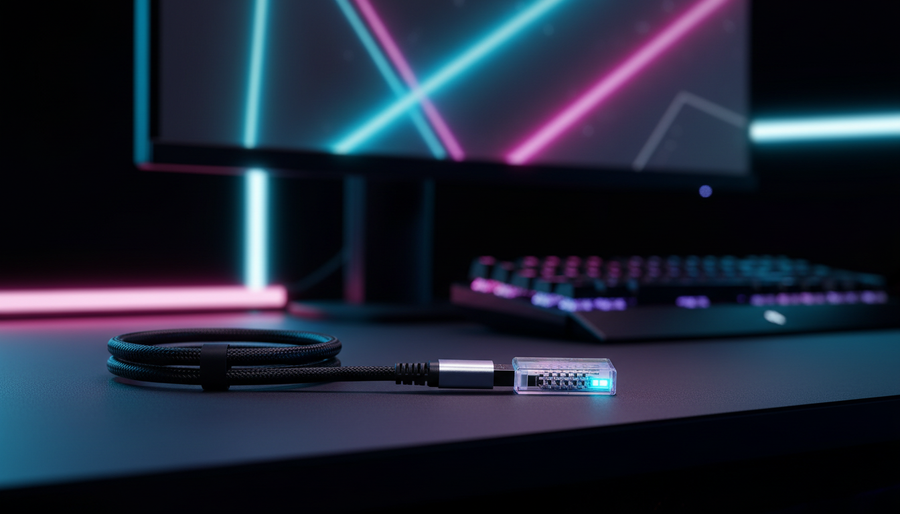
A guide to managing heat in 8000Hz wireless dongles. Learn the 0.5-meter rule, DPI optimization, and motherboard port setup for stable performance.
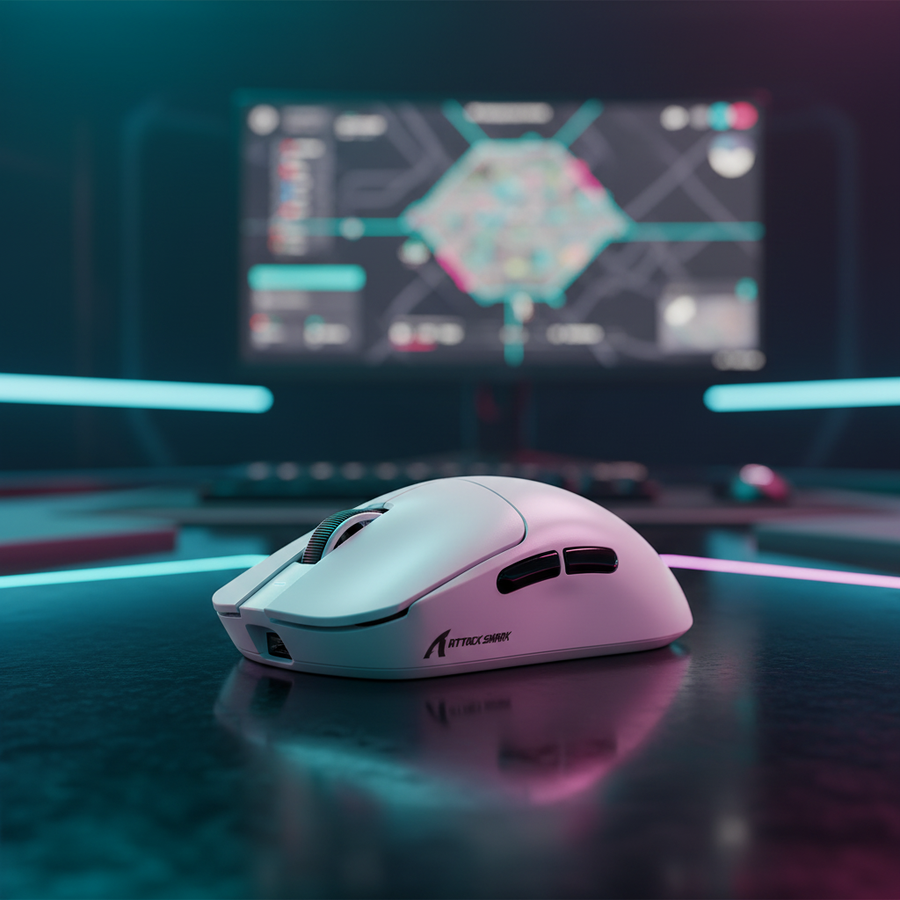
Covers the Nyquist-Shannon theorem, CPU overhead, motion sync latency, and battery life trade-offs for different aiming styles.
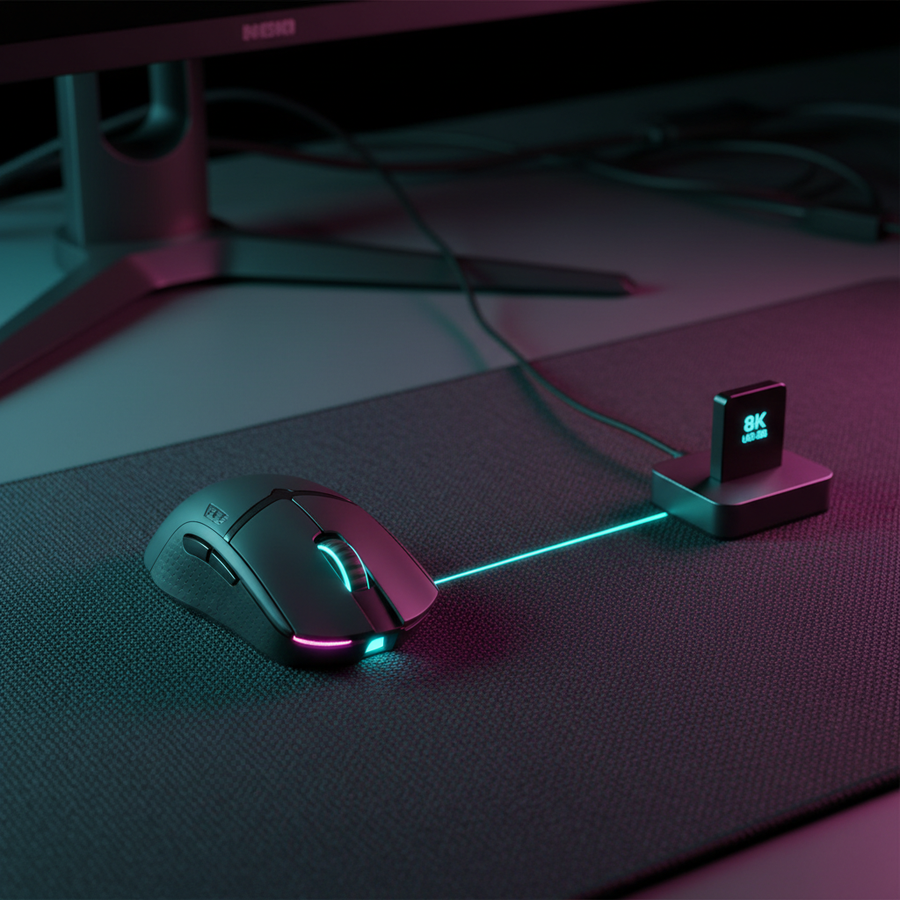
Covers RF interference from USB 3.0, sensor saturation via Nyquist-Shannon, and practical solutions for 0.125ms report intervals.
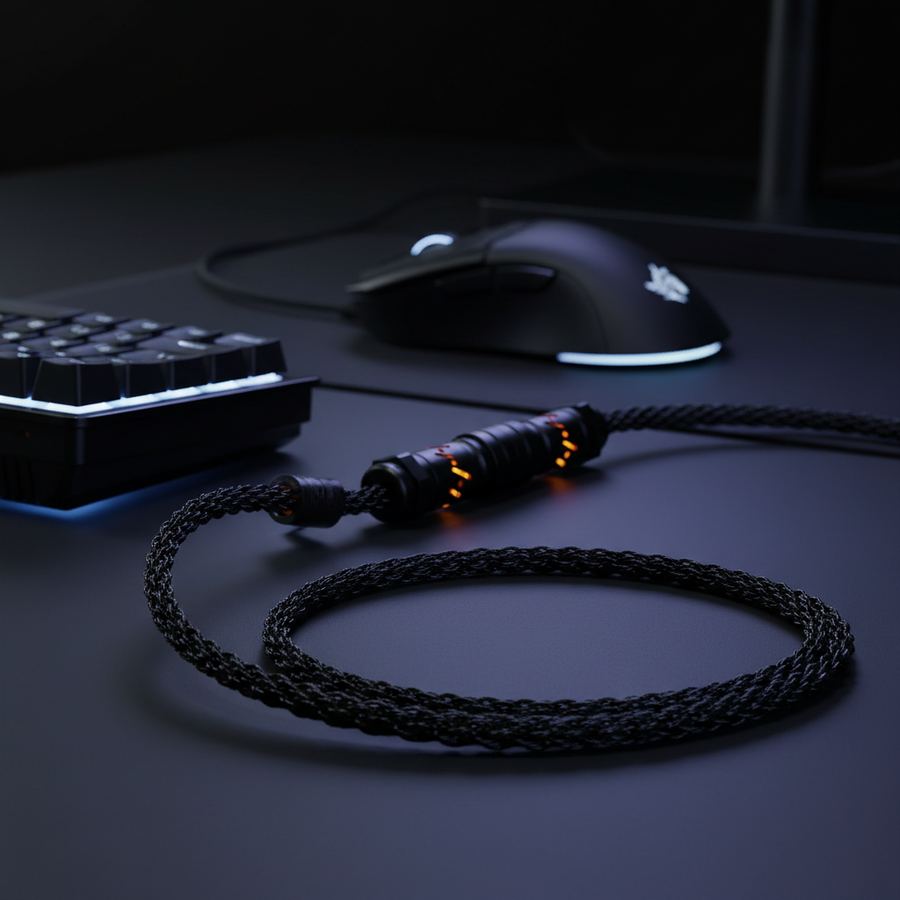
Covers USB topology, IRQ management, and cable selection for reliable 8000Hz polling. Explains data physics and USB-IF standards.
Covers EMI sources, FCC/IEC standards, USB shielding, and advanced actuation tuning to protect high-performance gaming keyboard precision.
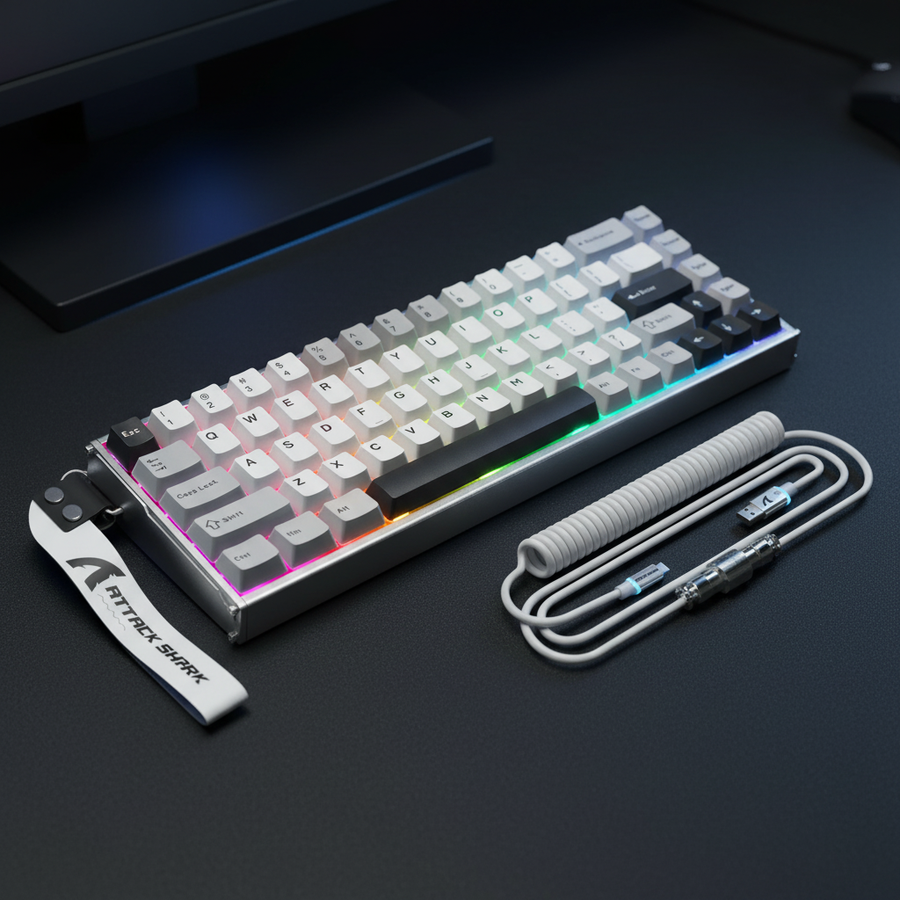
Covers input lag physics, a ~7.7ms latency benchmark, Staggered Actuation framework, 8000Hz polling, and ergonomic risk analysis for FGC players.
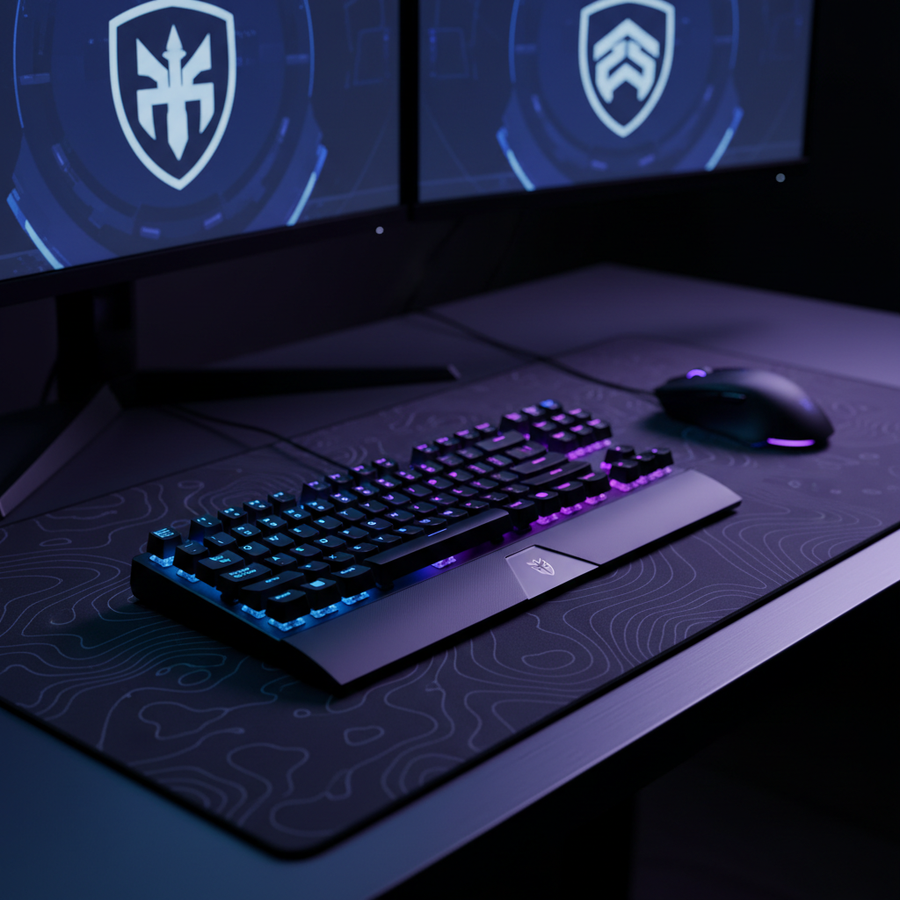
Covers per-key sensitivity frameworks, ergonomic strain analysis (Strain Index 21.6), and optimization for mouse fit and 8000Hz polling.