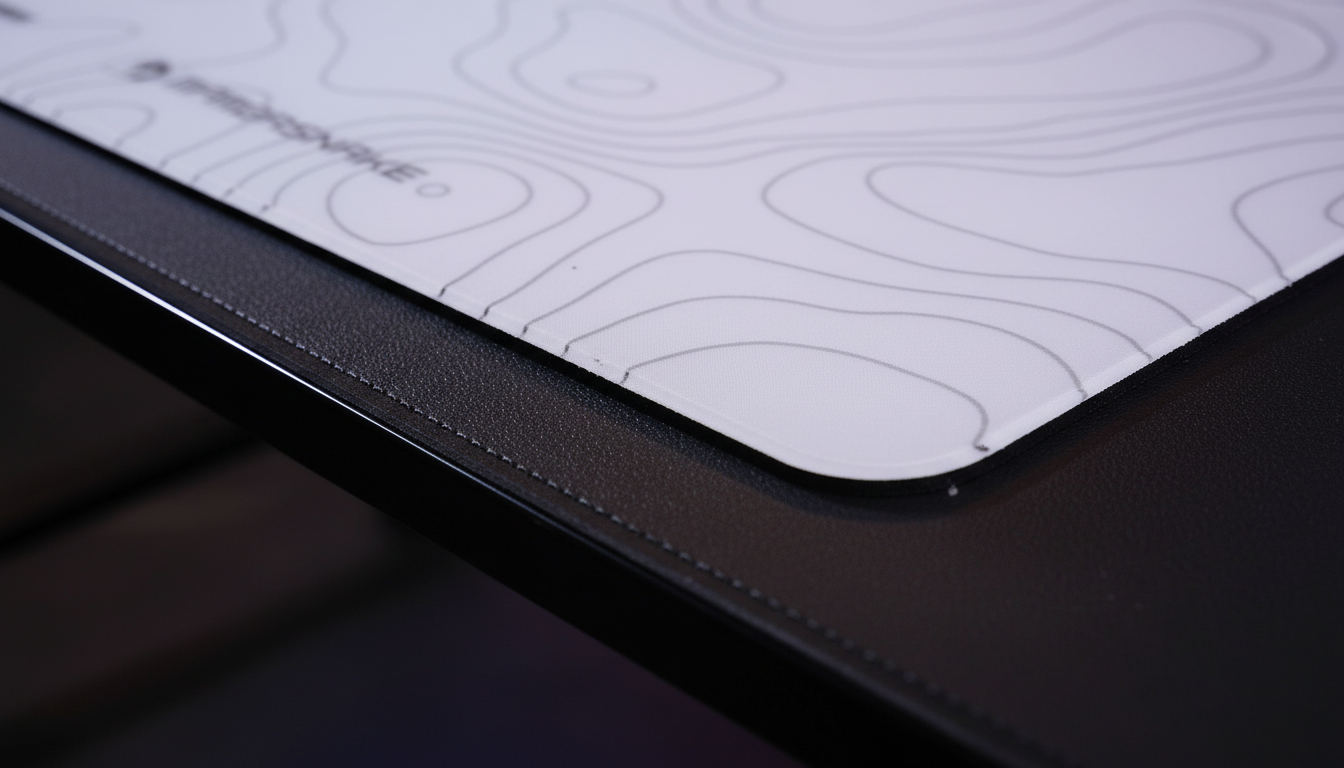
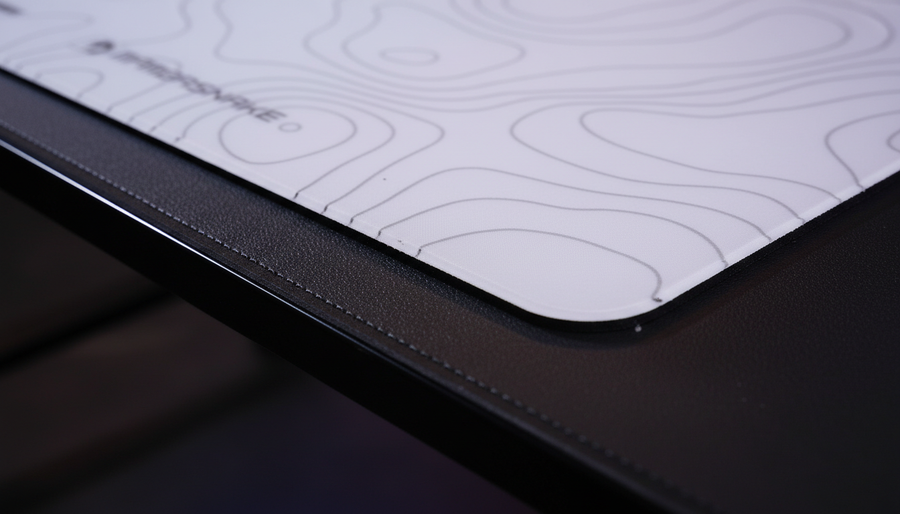
The Specification Credibility Gap: Why Edges Define Value
In the high-stakes world of competitive gaming, enthusiasts often obsess over sensor specifications, polling rates, and switch actuation points. However, for the value-oriented gamer, the most frequent point of failure in a setup is rarely the electronics—it is the mouse pad edge. While a sensor might remain accurate for years, a budget mouse pad often begins to fray or delaminate within 6 to 12 months of aggressive arm movements.
This "Specification Credibility Gap" describes the disconnect between a product's advertised performance and its real-world execution quality. A mouse pad can feature the most advanced ultra-high-density fiber, but if the perimeter construction fails, the tracking surface becomes inconsistent. We often observe that the transition from a "budget" to a "premium" experience is determined not by the surface weave alone, but by the engineering of the boundary.
Stitched vs. Heat-Pressed: Challenging the Durability Consensus
Conventional wisdom suggests that stitched edges are categorically superior to heat-pressed edges for durability. However, our analysis of modern manufacturing techniques indicates a more nuanced reality. According to the Heat-Pressed vs. Stitched Mouse Pad Edges Guide, modern heat-sealed edges on budget pads can offer comparable, and sometimes superior, delamination resistance.
The Problem with Low-Quality Stitching
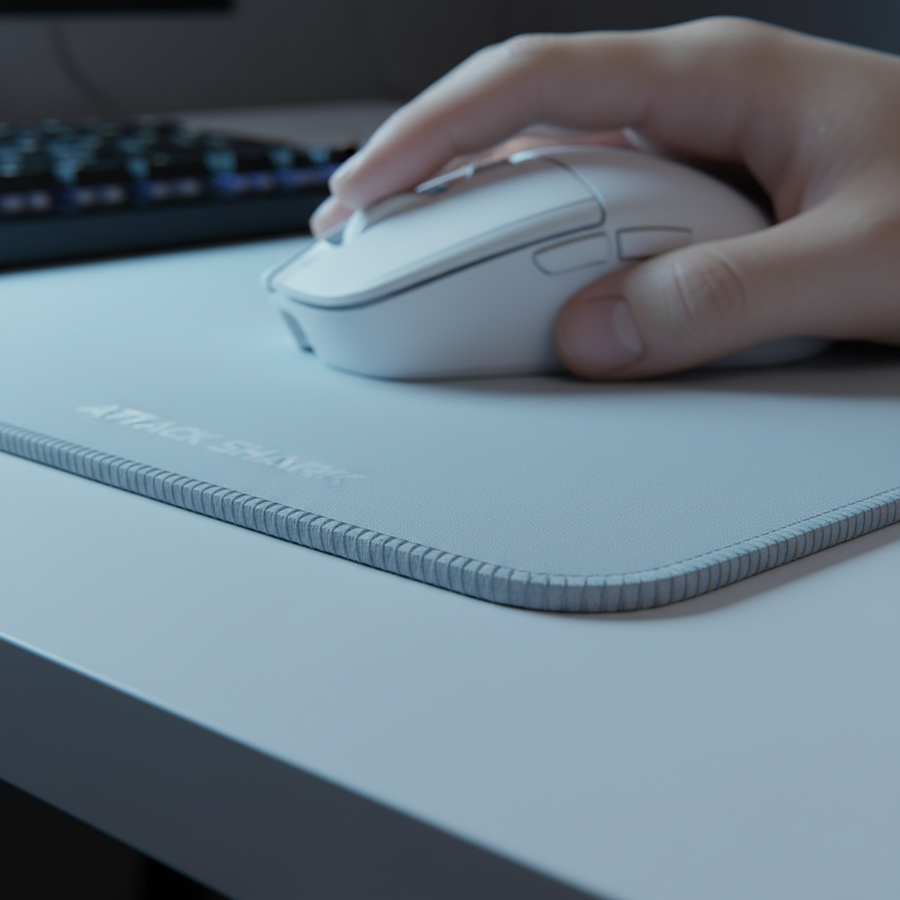
Low-quality stitching often creates "stress concentration points." If a single thread is snagged, the entire perimeter can begin to unravel. Furthermore, if the stitching is raised above the surface of the pad, it creates a tactile "bump" that can interfere with large-sweep aiming. For gamers using low-sensitivity settings, this drag subtly impacts micro-adjustments during intense flick shots.
The TPI Metric: A Critical Quality Marker
The true indicator of stitching quality is not its presence, but its density, measured in Threads Per Inch (TPI). Based on Units of textile measurement - Wikipedia, a higher TPI (typically 14+) indicates a tighter, finer stitch that effectively locks the fabric to the base. In contrast, decorative stitching on some "premium" pads may have a low TPI (6–8), offering minimal functional benefit while increasing the risk of fraying.
Logic Summary: We identify 14 TPI as a heuristic threshold for "performance-grade" stitching. This estimate is based on common textile manufacturing baselines where higher stitch density correlates with increased seam strength and reduced thread-loop height.

Material Science: Polyester vs. Nylon Threads
The material used in the edge thread is as critical as the stitch density. Most budget-friendly pads use nylon because it is inexpensive and elastic. However, nylon is hydrophilic—it absorbs moisture and skin oils, which can lead to degradation and "stiffness" over time.
Polyester, used in higher-tier implementations like the ATTACK SHARK CM02 eSport Gaming Mousepad, holds up significantly better to friction and environmental humidity. Because polyester is naturally hydrophobic, it maintains its structural integrity even during long, sweat-inducing gaming sessions.
Subsurface Bonding: The Hidden Failure Point
A common mistake is assuming that stitching alone prevents delamination. The weakest link is often the adhesive bond between the fabric top layer and the rubber base. Even a pad with high-TPI stitching can suffer from catastrophic delamination if the subsurface bond fails. This is why multi-layer construction integrity is more important than edge treatment alone.
Premium pads often utilize a vulcanized or heat-laminated bond that creates a continuous interface across the entire surface. This is particularly relevant for 2mm ultra-thin pads, such as the ATTACK SHARK CM04 Genuine Carbon Fiber eSport Gaming Mousepad, where the lack of vertical mass requires a much stronger chemical bond to prevent the corners from peeling.
The 'Fingernail Test': A Practical Heuristic for Buyers
For the informed buyer, we recommend the 'fingernail test' as a quick field check for edge resilience. Run your nail along the stitched edge of the pad:
- Quality Implementation: The thread sits flush or is slightly recessed. You should feel no catch points or loose loops.
- Budget Implementation: You will feel pronounced ridges or loose loops. These are inevitable snag points that will lead to unravelling.
Additionally, consider the thickness of the base. A 4mm base, like that found on the ATTACK SHARK CM03 eSport Gaming Mouse Pad (Rainbow Coated), provides more vertical support for the stitched perimeter, preventing it from curling under pressure compared to standard 2mm or 3mm variants.
Performance Synergy: High Polling Rates and Surface Consistency
The move toward 8000Hz (8K) polling rates in mice has made surface consistency more critical than ever. At 8000Hz, the mouse sends a packet every 0.125ms. For perspective, traditional 1000Hz mice operate at a 1.0ms interval.
When a mouse pad edge delaminates, it creates microscopic "waves" or lifts in the surface. Even a 0.5mm lift can alter the sensor's Lift-Off Distance (LOD). At 8K polling, these minute changes in sensor-to-surface distance can cause packet jitter or tracking anomalies that are perceptible to high-level players.
Bandwidth and Movement Speed
To fully saturate an 8000Hz bandwidth, a user must maintain a certain movement speed. This is calculated by the formula: Packets per second = IPS * DPI.
- At 800 DPI, you must move at least 10 IPS to saturate the 8K signal.
- At 1600 DPI, only 5 IPS is required.
Edge drag from a frayed or poorly finished perimeter can cause micro-stutters that break this saturation, leading to inconsistent input. This is why Low-Profile Stitching: Why It Matters for Large-Sweep Aiming graveyard is a critical consideration for those using high-performance peripherals.
| Parameter | Value/Range | Unit | Rationale |
|---|---|---|---|
| Polling Interval (8K) | 0.125 | ms | Frequency-to-Time conversion |
| Motion Sync Latency | ~0.0625 | ms | Half of polling interval (8K) |
| Target Stitch Density | 14+ | TPI | Heuristic for fray resistance |
| Base Thickness (Rigid) | 4 | mm | Industry standard for edge support |
| Saturated Speed (1600 DPI) | 5 | IPS | Minimum movement for 8K signal |
Modeling Note: This table represents a scenario model for high-performance esports environments. It assumes the use of a direct motherboard USB port (Rear I/O) to avoid the IRQ bottlenecks associated with USB hubs.
Environmental Factors and Maintenance
Durability is not just a design choice; it is also a function of environment. According to the Global Gaming Peripherals Industry Whitepaper (2026), environmental factors like isopropyl alcohol-based cleaners and constant abrasion against sharp desk edges are primary accelerants of edge degradation.
Cleaning Best Practices
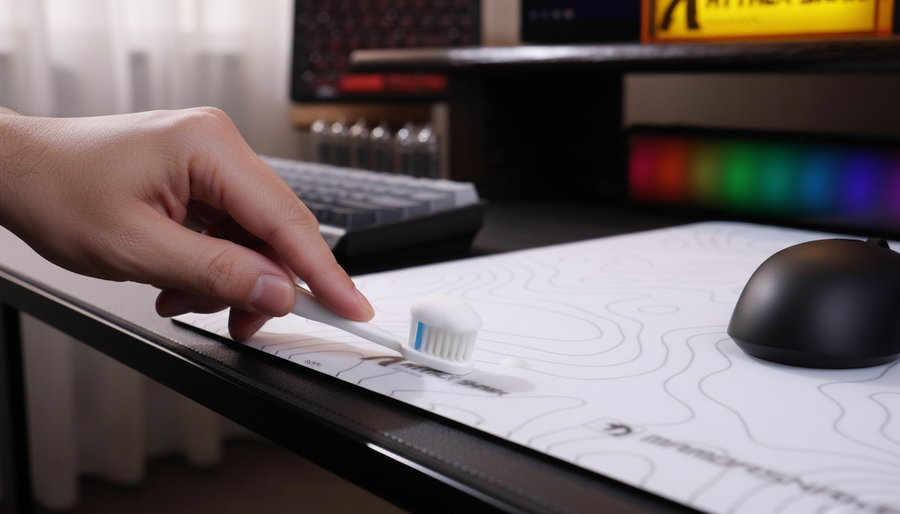
While many gamers use alcohol wipes for a quick clean, the solvent can dissolve the adhesive bond between the fabric and rubber, leading to Uncoated vs. Coated Pads: The Trade-off for Budget Gamers becoming a permanent issue. We recommend using mild soap and lukewarm water to preserve the "5S" water and stain resistance coatings found on pads like the ATTACK SHARK CM02 eSport Gaming Mousepad.
Safety and Compliance Standards
When evaluating budget-friendly alternatives, it is essential to verify that the materials used in the rubber base and fabric are safe for prolonged skin contact. Reliable manufacturers ensure their products meet international standards:
- RoHS Directive (2011/65/EU): Ensures the absence of lead, mercury, and other hazardous substances in electronic accessories.
- REACH Regulation: Governs the use of chemical substances like phthalates, which are often found in low-grade rubber bases.
- USPS Publication 52: While primarily for shipping, it highlights the importance of non-hazardous material stability during transport. You can review these guidelines at USPS Publication 52.
Choosing the Right Edge Profile
Selecting a mouse pad involves choosing a trade-off between comfort, durability, and performance.
- The Low-Sensitivity Gamer (Large Sweeps): Prioritize ultra-fine, recessed stitching or high-quality heat-pressed edges. This prevents the "edge-catch" that can ruin a tracking sequence.
- The High-Sensitivity Gamer (Wrist Movement): A 4mm base with standard stitching is often sufficient, as the arm rarely crosses the perimeter.
- The Ergonomic-Focused User: Consider an integrated solution like the ATTACK SHARK Cloud Mouse Pad, which uses a memory foam wrist rest to eliminate edge friction entirely for the wrist.
Ultimately, the "best" edge is the one you don't feel. By looking for high TPI, polyester thread, and a robust subsurface bond, value-oriented gamers can find accessories that survive the rigors of daily play without the "premium" price tag.
Disclaimer: This article is for informational purposes only. Ergonomic needs vary by individual. If you experience persistent wrist or arm pain, consult a medical professional. Compliance standards mentioned (RoHS/REACH) are subject to regional variations and updates.