


Upgrading your mouse feet is the most cost-effective way to improve your physical aiming speed. While most standard mice come with basic plastic pads, competitive players frequently replace them to achieve a smoother glide. This guide compares traditional PTFE and modern glass materials to help you decide which upgrade fits your daily playstyle. Read on to learn how reducing physical friction can instantly enhance your tracking accuracy and overall gaming performance.

Upgrade Your Custom Gaming Mouse For Faster Aim
When you build a custom gaming mouse, you likely focus heavily on the optical sensor, the click switches, and the physical shape of the plastic shell. However, the physical contact point between your device and your desk is equally important. Even the best mouse gaming hardware in the world will feel terrible if the bottom feet scrape roughly against your mousepad. Upgrading the skates reduces the physical force required to move the device.
The Impact Of A Lightweight Mouse
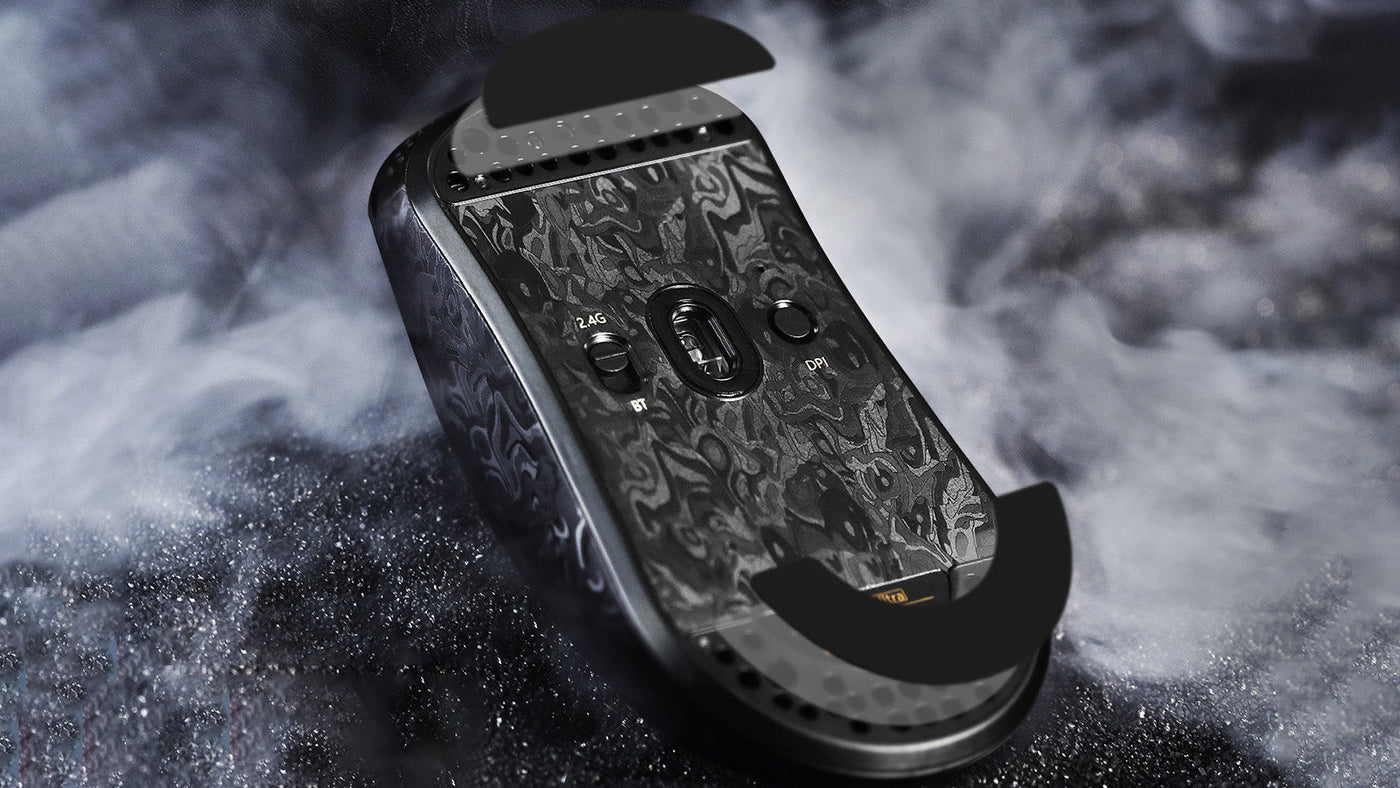
In recent years, the hardware industry has shifted heavily toward the lightweight mouse trend. When a mouse weighs under sixty grams, the physical friction created by the skates becomes incredibly noticeable to the user. Heavy mice push down hard into the mousepad, naturally masking bad skates. A lightweight mouse relies entirely on high-quality skates to maintain a smooth, effortless sensation. Replacing the default factory pads on your custom gaming mouse with premium aftermarket materials allows you to maximize this weightless feeling.
Overcoming Static And Dynamic Friction
Aiming involves two distinct types of physical friction. Static friction is the physical force required to start moving the mouse from a complete dead stop. Dynamic friction is the physical resistance you feel while the mouse is already moving across the pad. Upgrading your skates physically lowers both types of friction. Lower static friction prevents your hand from jerking forcefully when making tiny micro-adjustments. Lower dynamic friction makes tracking moving targets feel consistent, which is exactly what you want from the best mouse gaming equipment.

PTFE (Teflon) Skates: The Industry Standard For Control
For many years, PTFE has been the primary material used by hardware manufacturers to create smooth gliding experiences. It remains the industry standard for professional esports players.
Understanding Virgin Grade PTFE
PTFE stands for polytetrafluoroethylene, a synthetic plastic commonly known in household products as Teflon. Standard factory mice often use standard black PTFE, which contains chemical dyes that make the plastic physically harder and slightly scratchy. Premium aftermarket PTFE mouse feet use completely pure "virgin-grade" PTFE. This pure version is entirely white or translucent. It contains zero chemical dyes, making the plastic incredibly soft and providing a significantly smoother physical glide across your desk.
The Perfect Balance Of Speed And Stopping Power
The primary reason professional players choose PTFE mouse feet is physical stopping power. When you flick your wrist quickly to hit a target, you need the mouse to stop exactly where your hand stops moving. Because pure PTFE is a soft plastic, it sinks very slightly into a thick cloth mousepad when you apply downward physical pressure. This slight sinking action creates instant physical friction, allowing you to stop the mouse perfectly on target without sliding past it.
The Durability Drawback
The main disadvantage of PTFE mouse feet is physical durability. Because the pure white plastic is very soft, it naturally wears down and flattens over time. If you press down hard while gaming, or if you play on a rough, hard desk surface without a cloth pad, the PTFE material will flatten and scratch heavily within a few months. You will eventually need to buy replacement plastic pads to maintain the initial smooth glide.
Glass Mouse Skates: Unmatched Speed And Zero Friction
Players looking for absolute maximum speed are entirely replacing their traditional soft plastic pads with hard glass alternatives.
The Extreme Speed Of Tempered Glass
Glass mouse skates are manufactured from hardened aluminosilicate glass. The surface of the glass is polished until it is microscopically smooth. When you attach these hard glass pads to your device, the static friction effectively drops to zero. It takes almost zero physical force to start moving the mouse. If you simply tap the side of the mouse with your finger, it will slide across the entire desk freely. This provides a completely frictionless physical sensation.
Permanent Durability And Easy Cleaning
Unlike soft plastic, glass mouse skates do not degrade or wear down from normal daily use. The hardened glass material will maintain its perfectly smooth glide for years, saving you money on future hardware replacements. Additionally, they are incredibly easy to clean. Dust, sweat, and pet hair will not stick to the hard glass surface. You can simply wipe the bottom of the mouse with a dry microfiber cloth to remove any physical dirt instantly.
The Stopping Power Problem
The massive advantage of speed is also the biggest weakness of glass mouse skates. Because they create absolutely zero friction, they offer zero stopping power. When you flick your wrist to aim rapidly, the mouse will try to keep sliding forward even after your hand stops moving. You must rely entirely on your forearm and wrist muscles to halt the physical momentum. This lack of friction makes precise aiming very difficult for players who have shaky hands or nervous twitches during intense matches.
How Skates Interact With Different Mousepad Surfaces
You cannot properly evaluate your skates without directly considering the surface underneath them. The mousepad material heavily alters how the skates perform physically.
Using Soft Cloth Mousepads
Soft cloth pads are the most common surfaces found in a standard custom gaming mouse setup. When you use soft PTFE skates on a thick cloth pad, you get maximum control and stopping power. However, if you use hard glass skates on a soft cloth pad, the hard glass can occasionally sink deeply into the soft sponge base if you press down aggressively. This creates a highly inconsistent physical glide, where the mouse feels fast when gliding lightly but slow when you press hard.
Using Hard Plastic And Glass Mousepads
If you pair a highly responsive lightweight mouse with a hard plastic or glass mousepad, you must carefully select your skates. You should absolutely never use hard glass skates on a hard glass mousepad. Rubbing glass directly against glass causes severe physical scratching and permanent damage to both surfaces. For hard pads, you must strictly use soft PTFE plastic to prevent physical damage while maintaining a safe, smooth glide.
Which Mouse Feet Should You Choose For FPS Games
Different video game genres require completely different aiming mechanics. You must choose your hardware based on the specific physical hand movements you perform most often. Finding the best mouse gaming hardware setup depends entirely on the exact software you run daily.
Tactical Shooters (Valorant And Counter-Strike 2)
Tactical shooters require extreme physical precision. You must hold specific map angles and land precise headshots on small targets. In these specific games, stopping power is far more important than raw speed. Therefore, pure PTFE is the clear winner. The soft plastic provides the necessary physical friction to stop your crosshair exactly on the enemy model without overshooting the target.
Tracking-Heavy Shooters (Apex Legends And Overwatch 2)
Tracking-heavy games feature characters that move rapidly, jump high, and slide quickly across the floor. You must constantly track moving targets with your crosshair for several seconds without stopping. In tracking-heavy games, static friction is highly detrimental. Glass skates are highly recommended for these fast games. The zero-friction glide allows you to smoothly follow fast-moving targets without your hand physically stuttering or getting stuck on the mousepad fabric.
Final Verdict: PTFE vs Glass Mouse Skates For Faster, More Accurate Aim
Upgrading your mouse skates is a simple hardware modification that drastically improves your daily aiming consistency. PTFE skates provide the necessary stopping power and physical control required for highly precise tactical shooters. Conversely, glass skates eliminate all physical friction, offering the absolute maximum speed needed for tracking fast targets in chaotic games. By matching your skate material strictly to your favorite game genre, you guarantee a flawless, comfortable glide every time you play.
FAQs
Can I install new skates by myself?
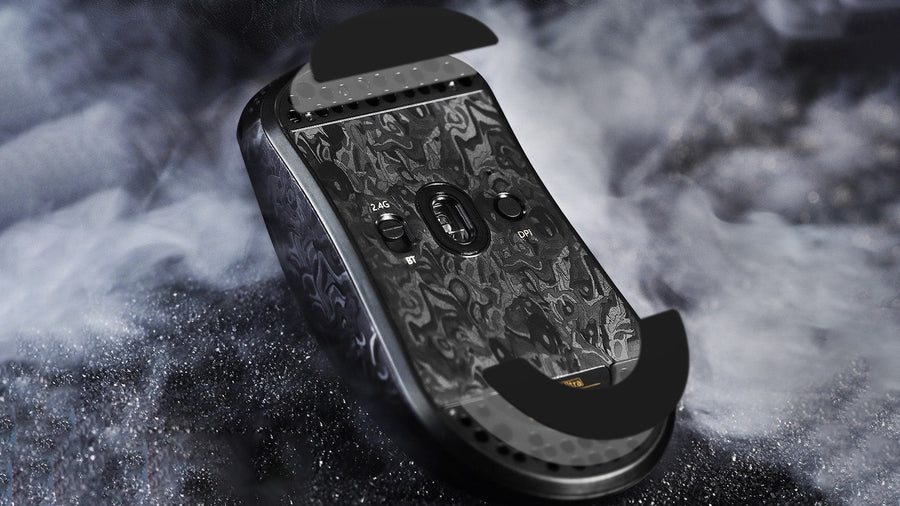
Yes, the manual installation process is very simple. You use a thin plastic pry tool to peel off the old factory skates. Then, you use rubbing alcohol to clean the sticky adhesive residue off the bottom of the plastic mouse shell. Once the plastic is completely dry, you simply peel the paper backing off the new skates and press them firmly into the molded slots.
Do glass skates ruin cloth mousepads?
Standard glass skates will not rip or tear a high-quality cloth mousepad. The physical edges of the glass are heavily rounded by the manufacturer to prevent sharp contact. However, because glass requires you to press down harder to stop the mouse manually, you might physically flatten the cloth fibers of your mousepad faster than you would by using soft plastic feet.
How often should I replace my skates?
If you play games for several hours every single day, pure PTFE skates will naturally flatten and become physically scratchy after six to eight months. You should replace them whenever the glide starts feeling sluggish or rough. Glass skates are physically permanent and will never need to be replaced unless they accidentally crack from being dropped onto a hard floor.